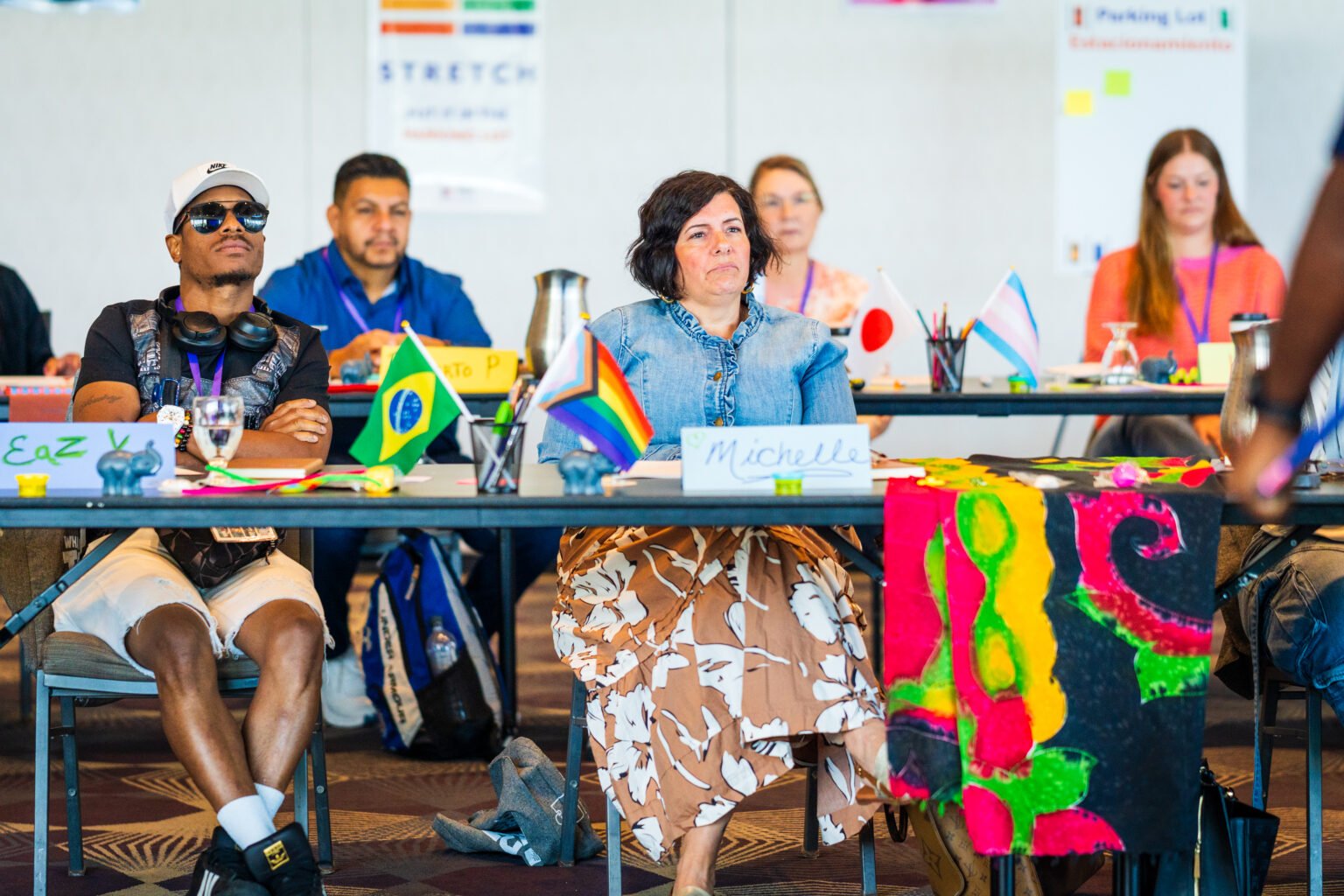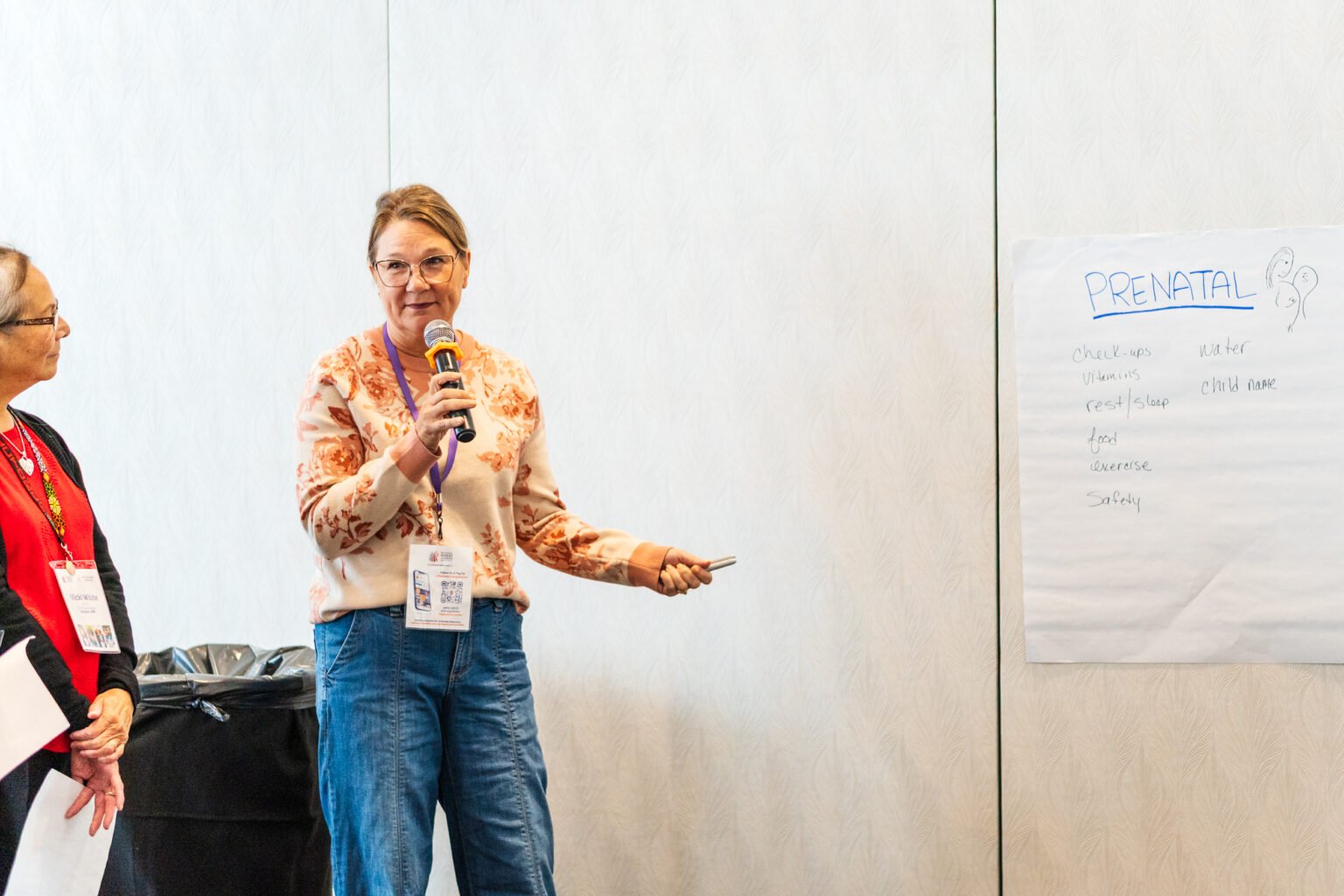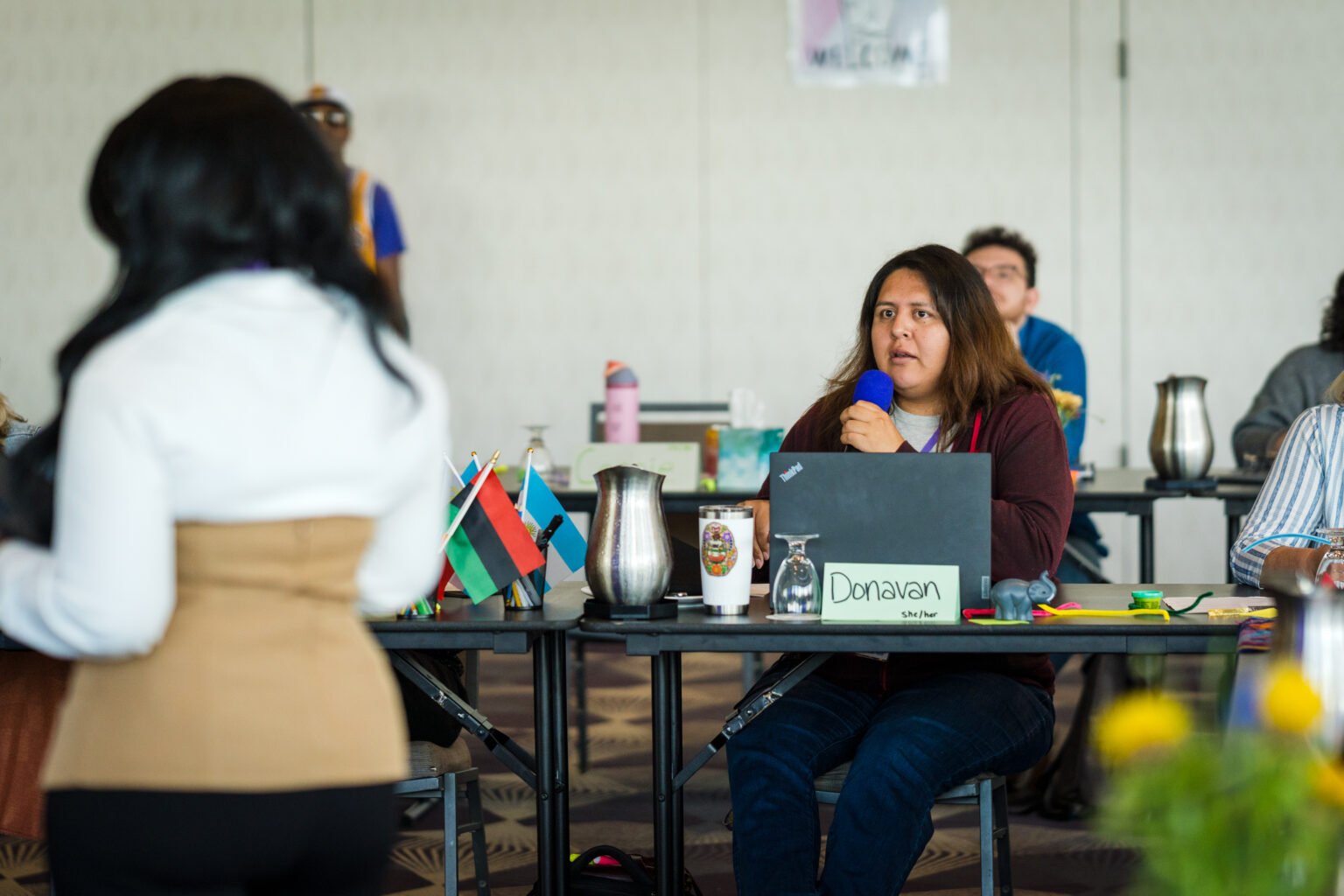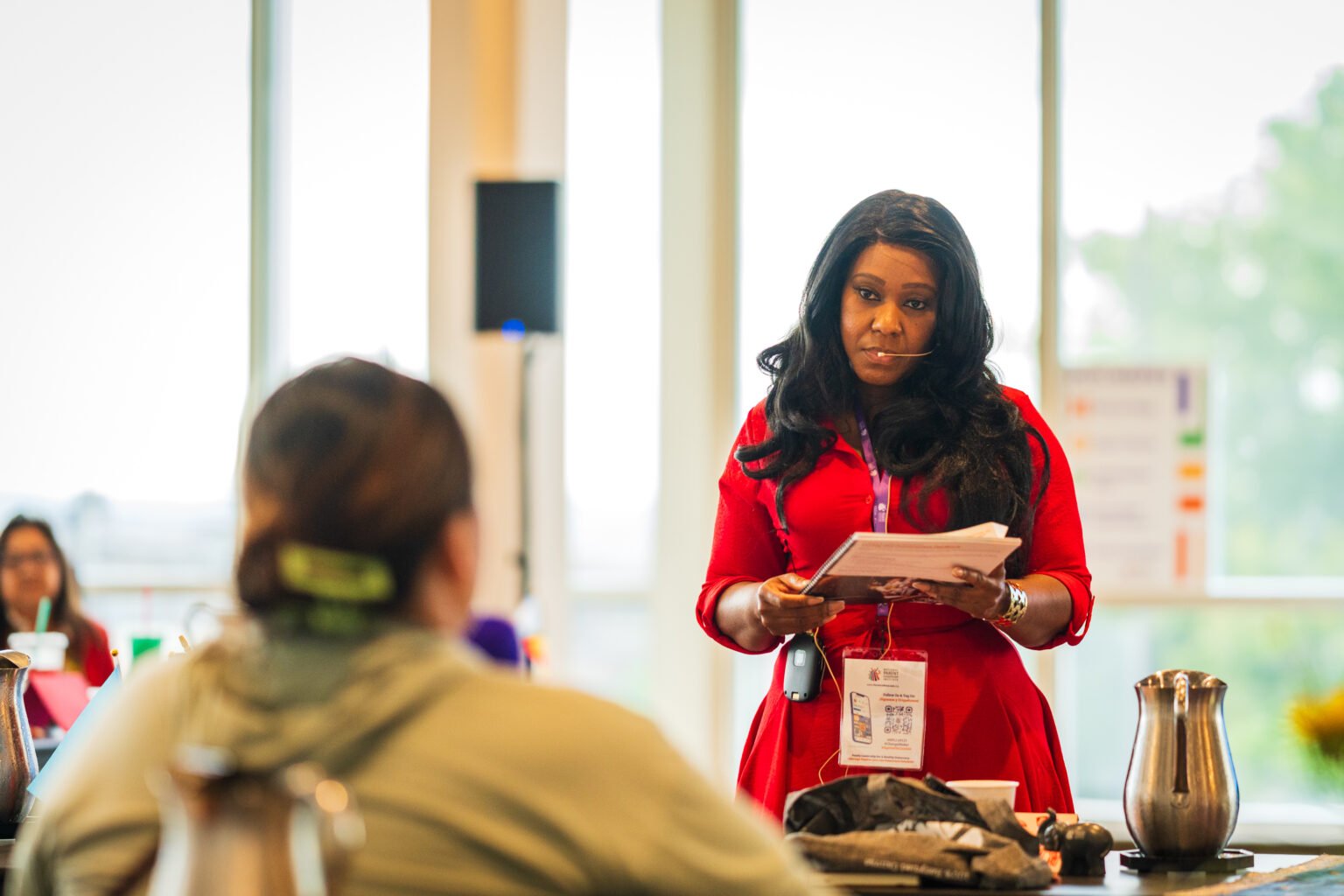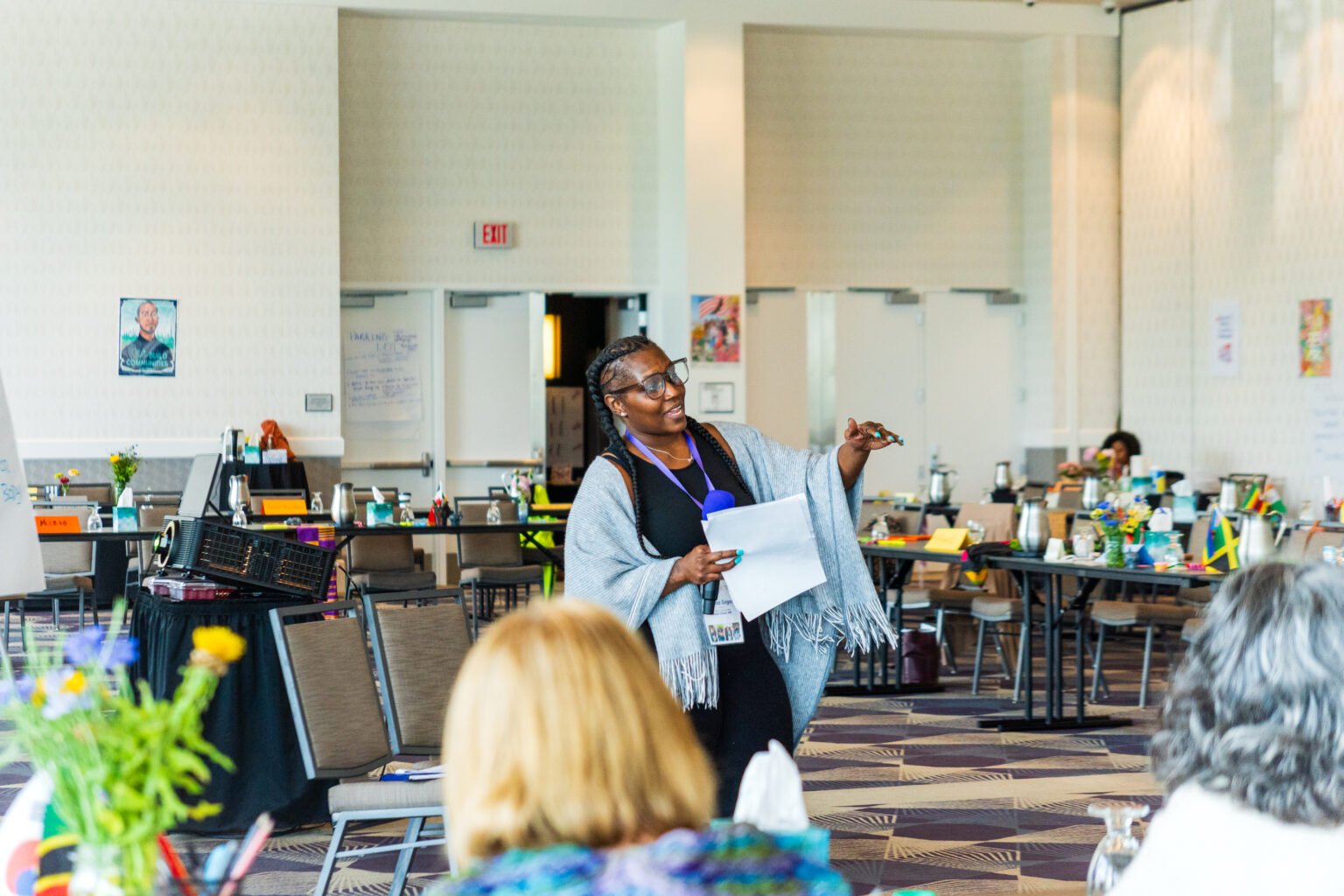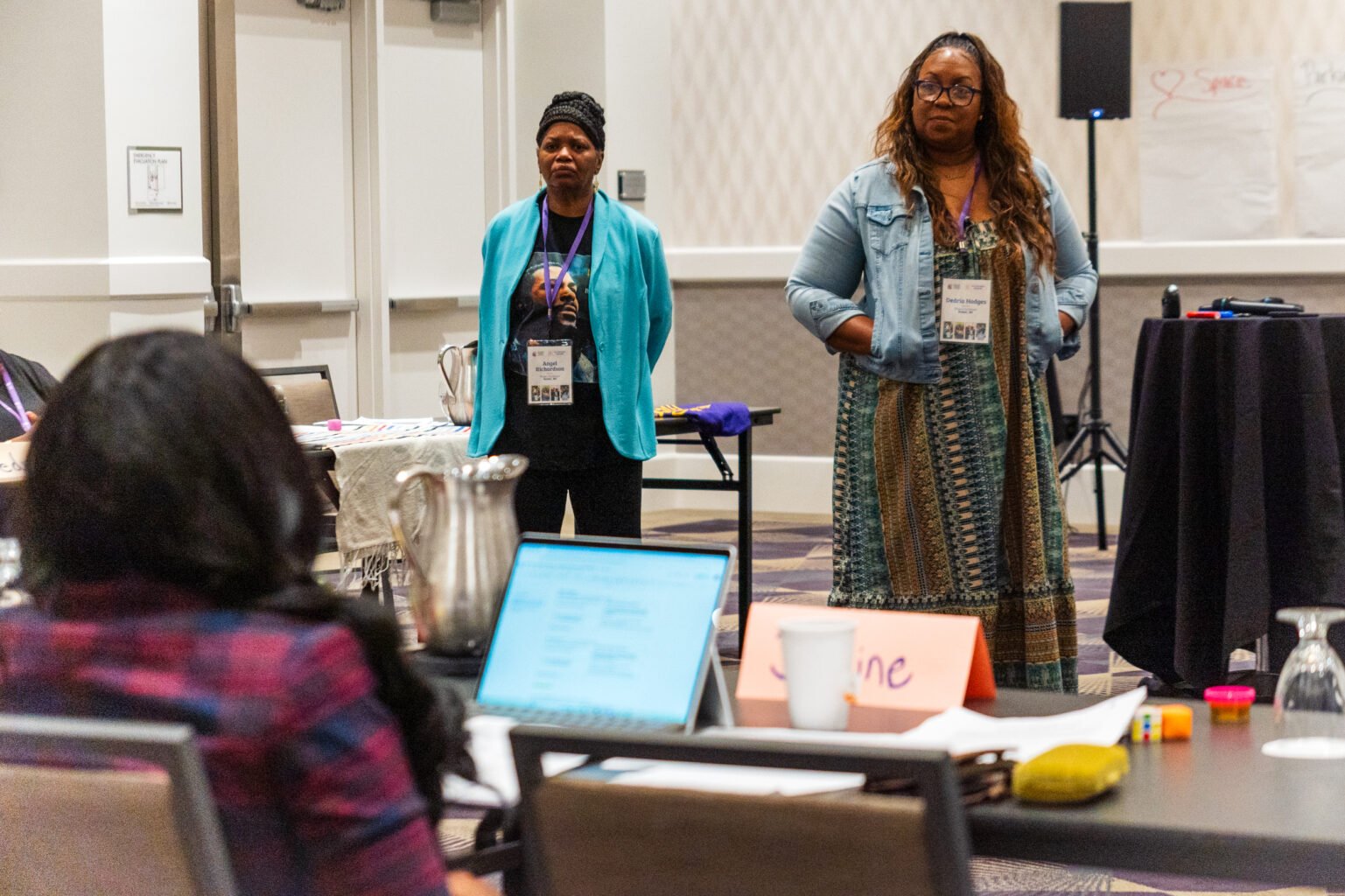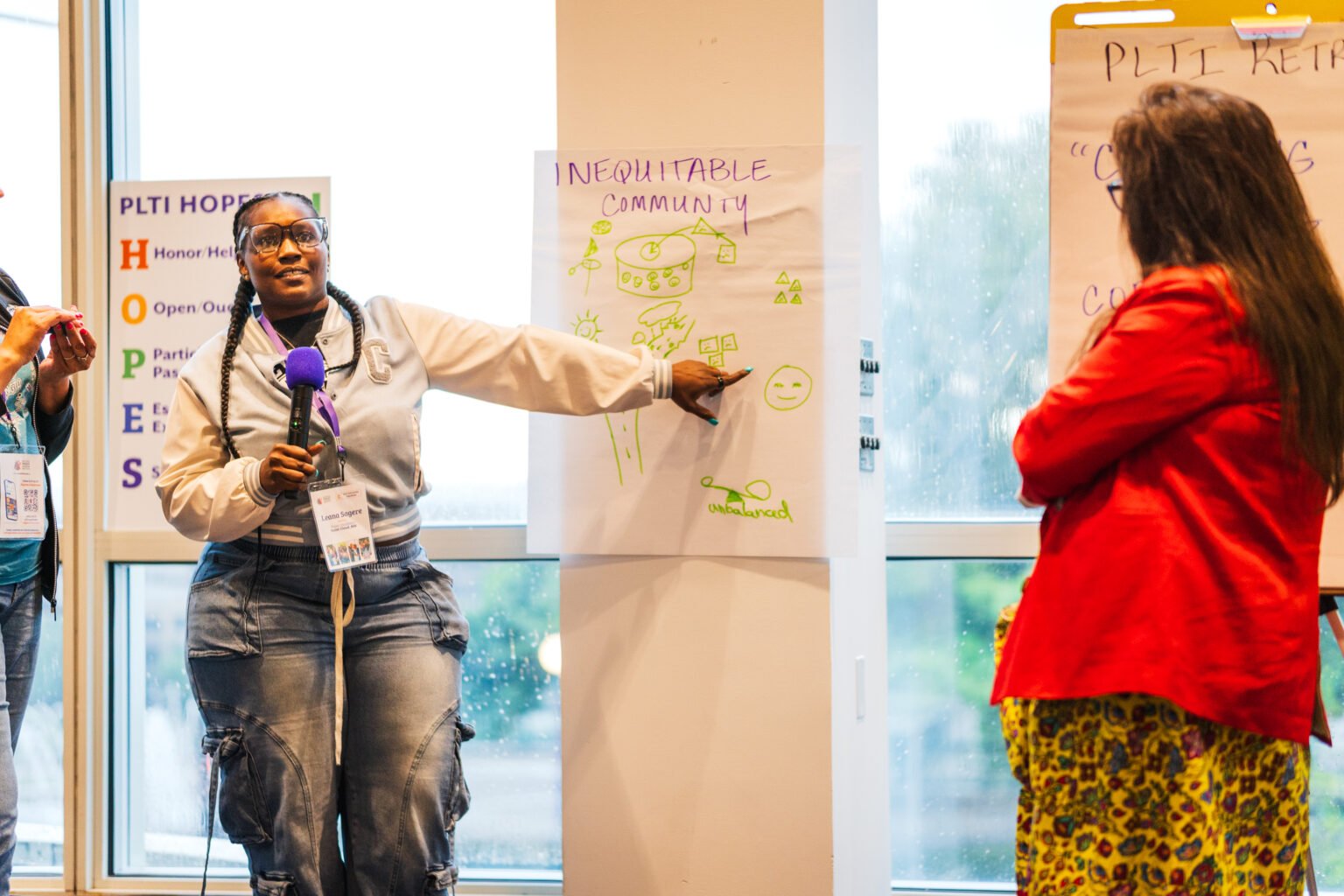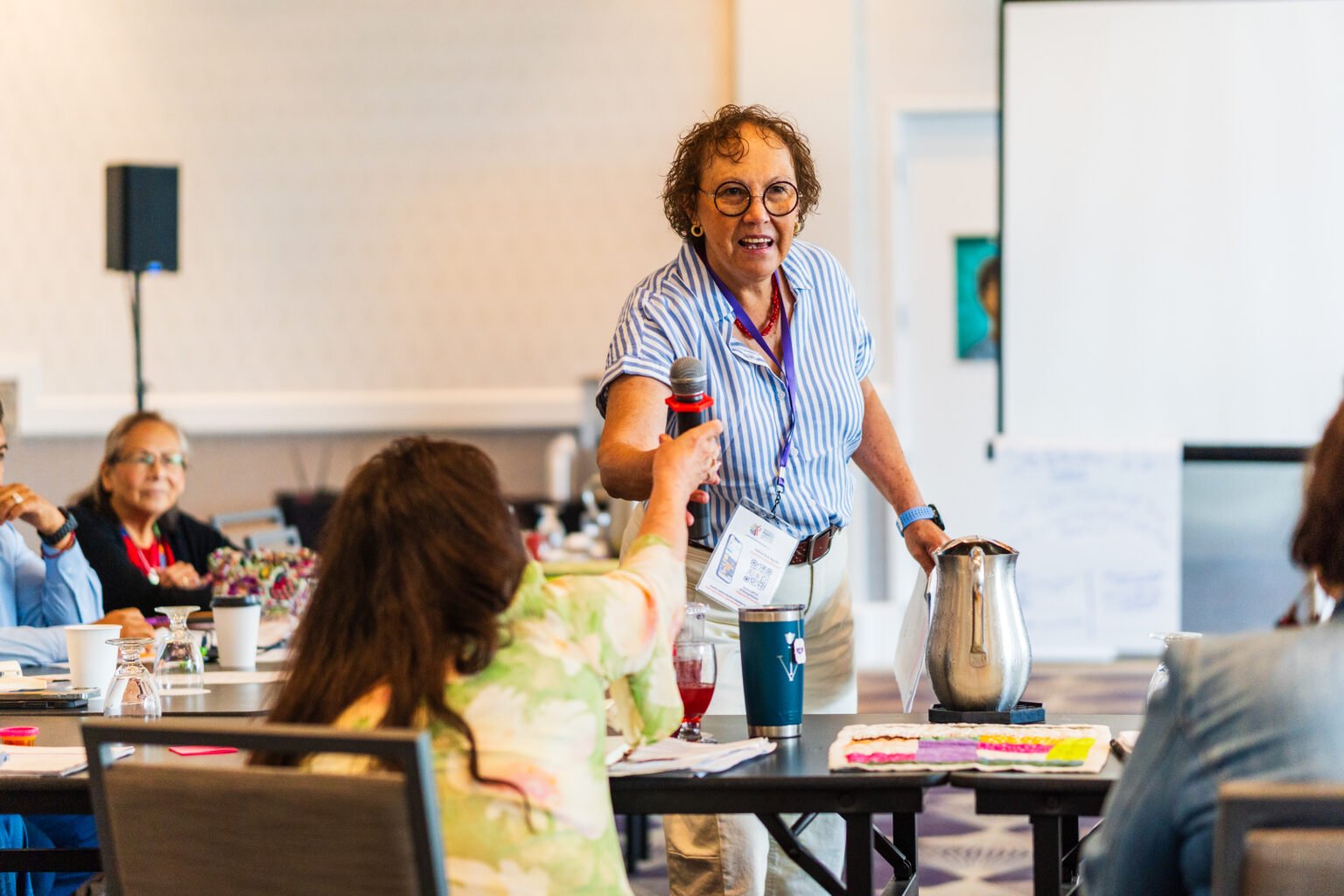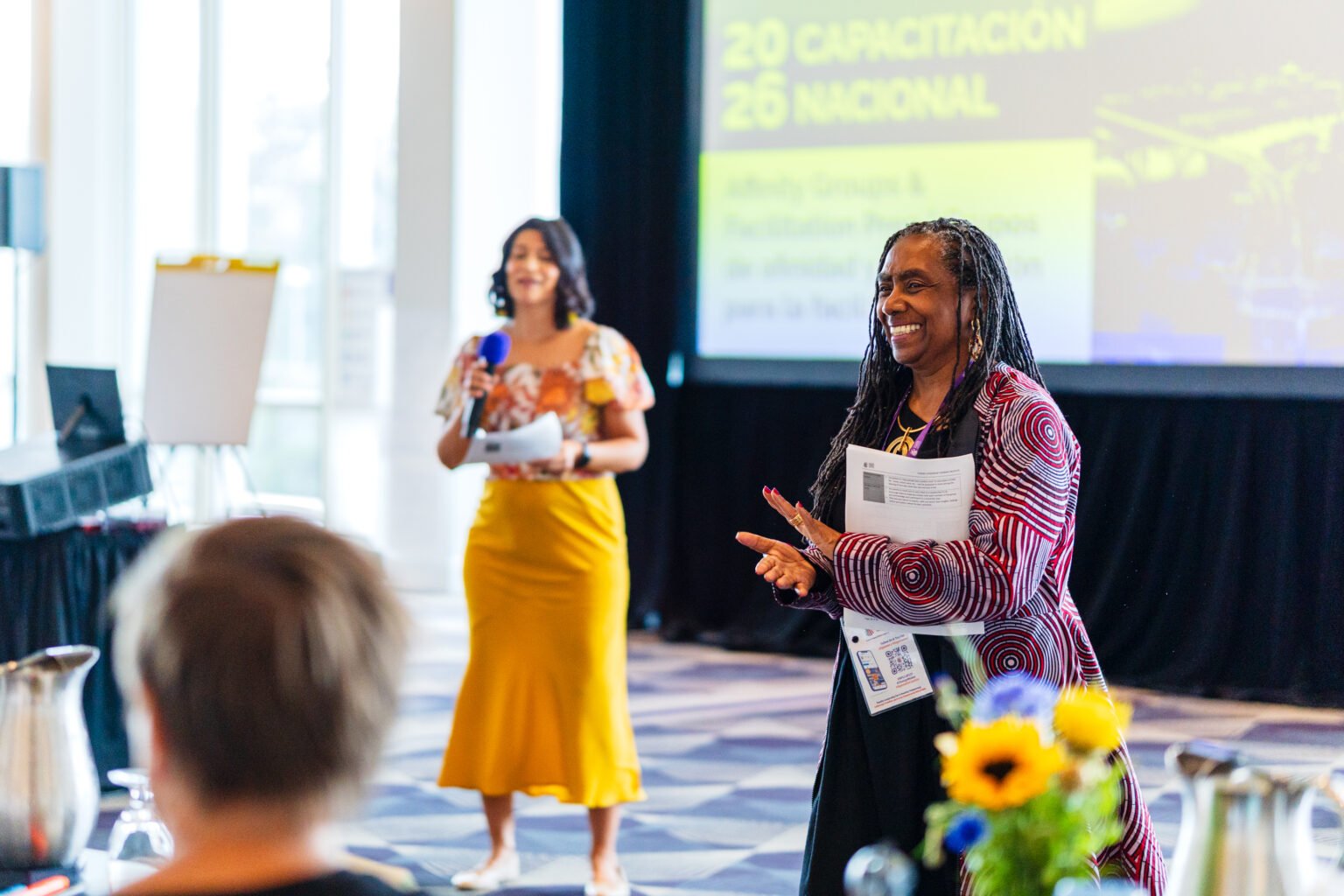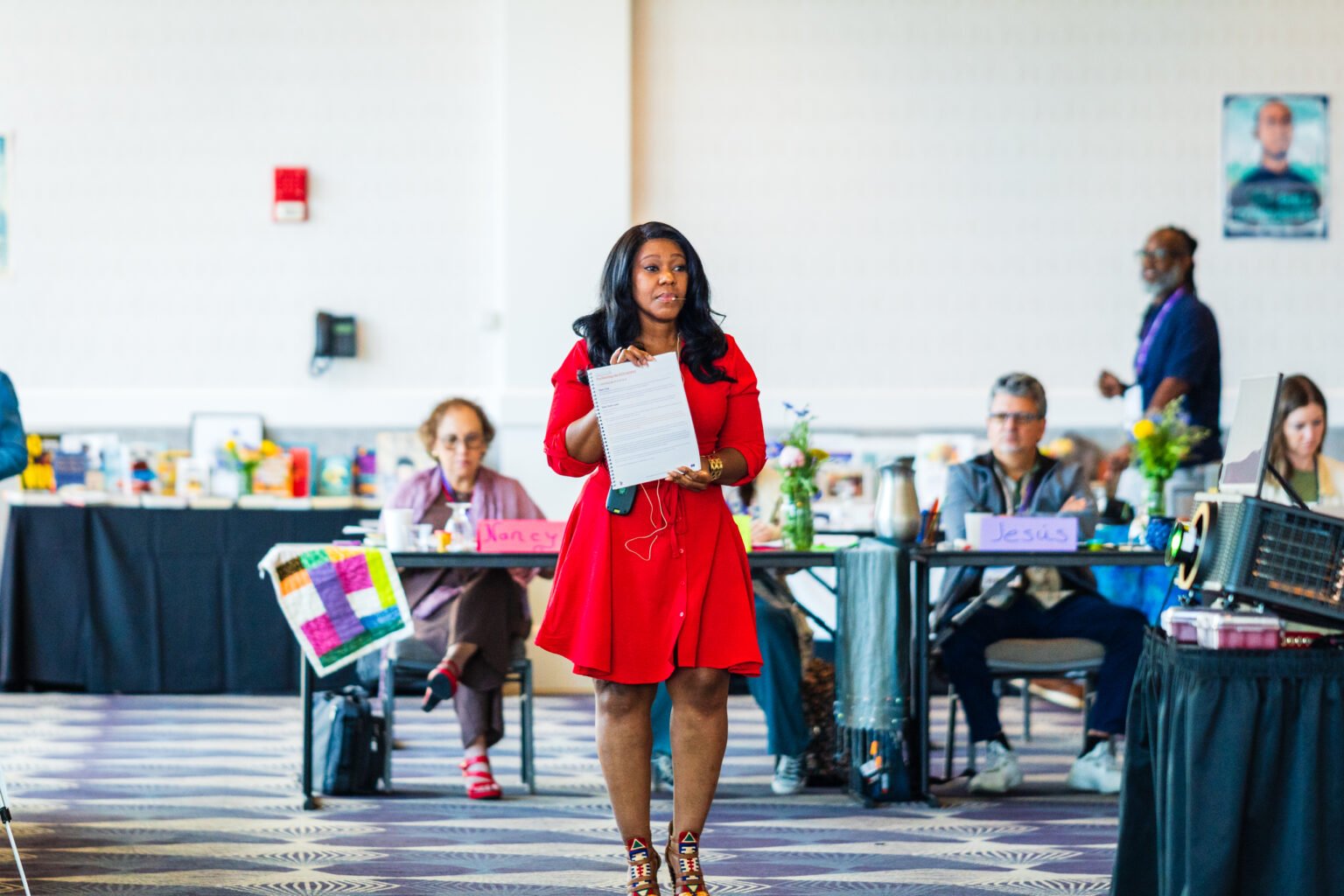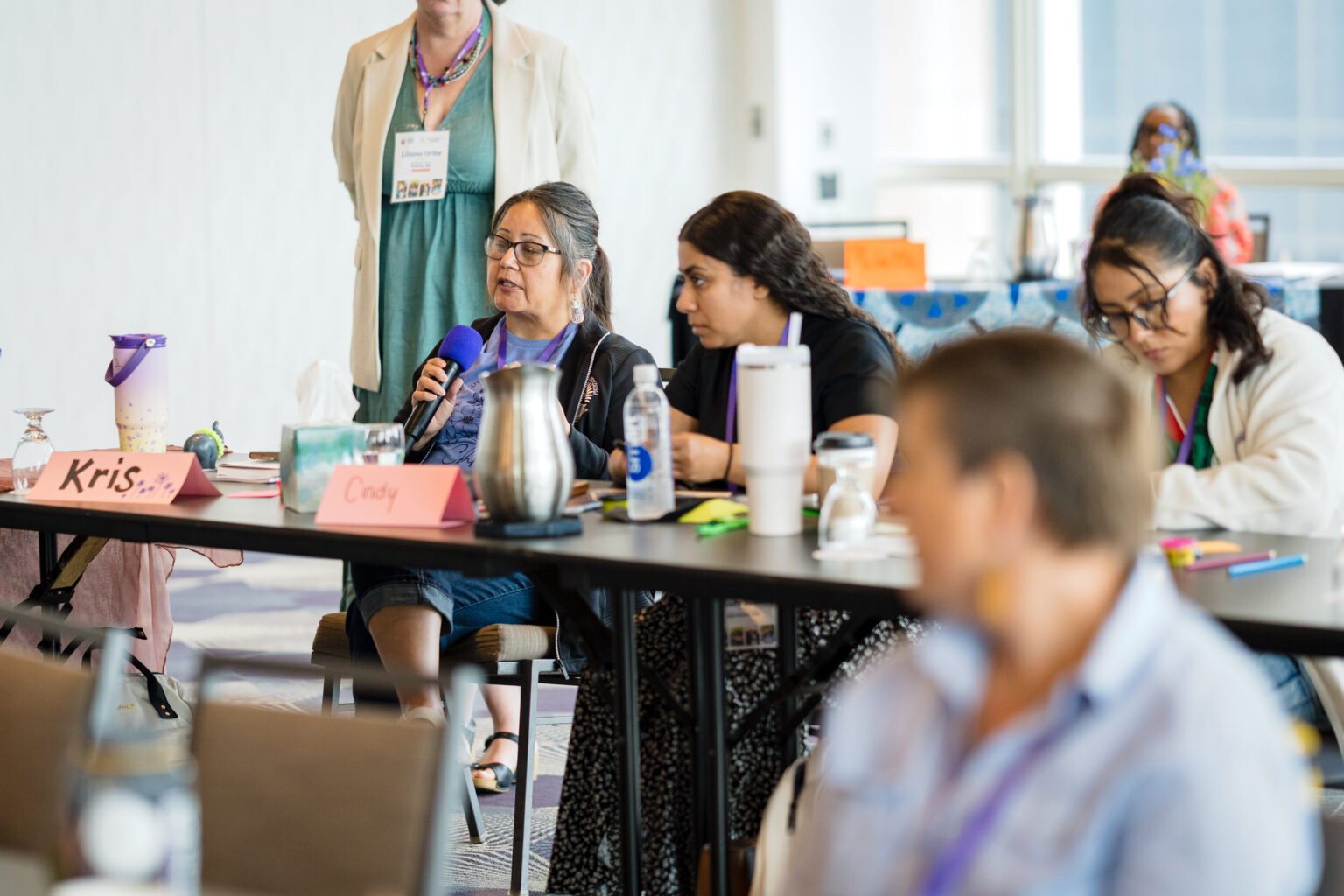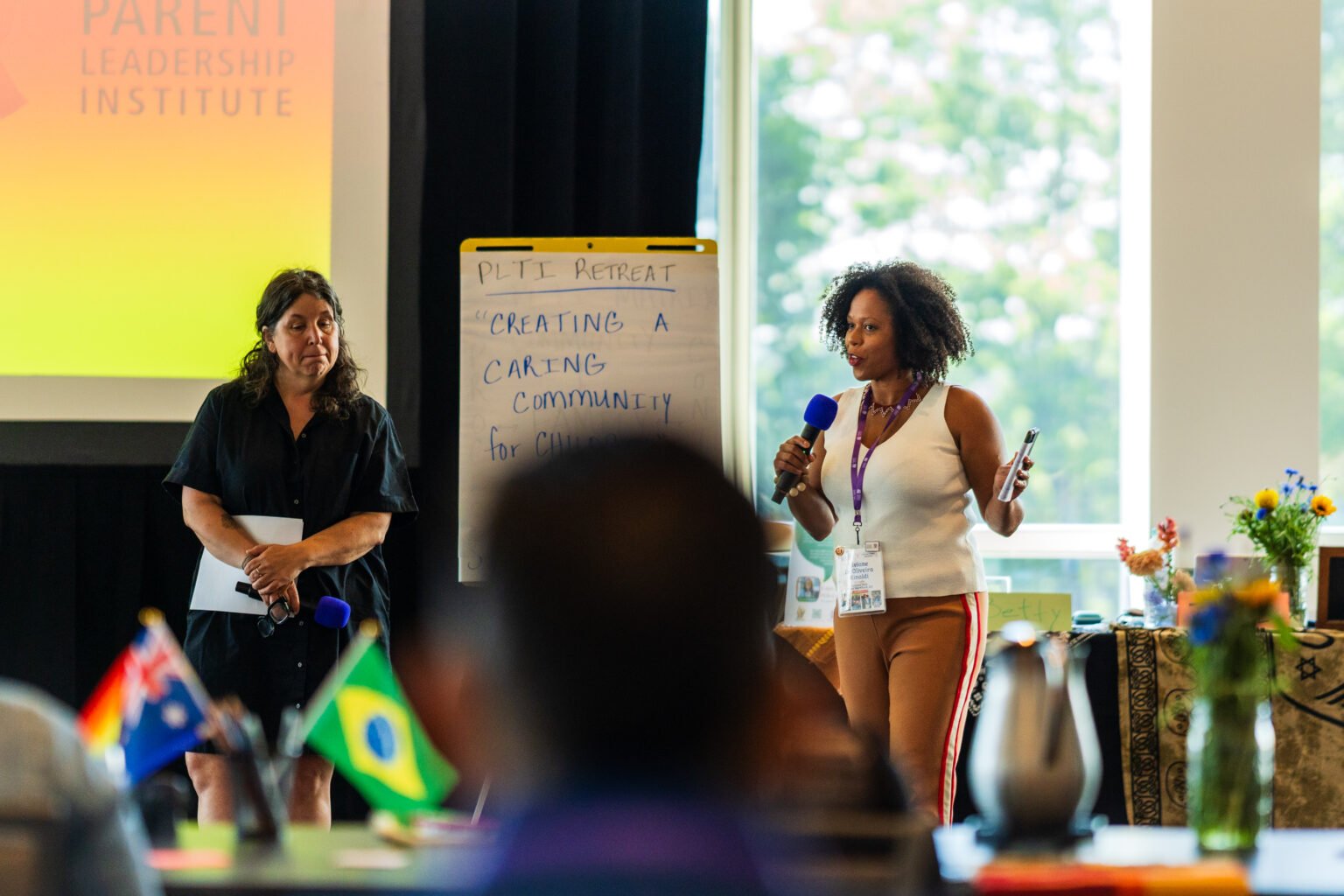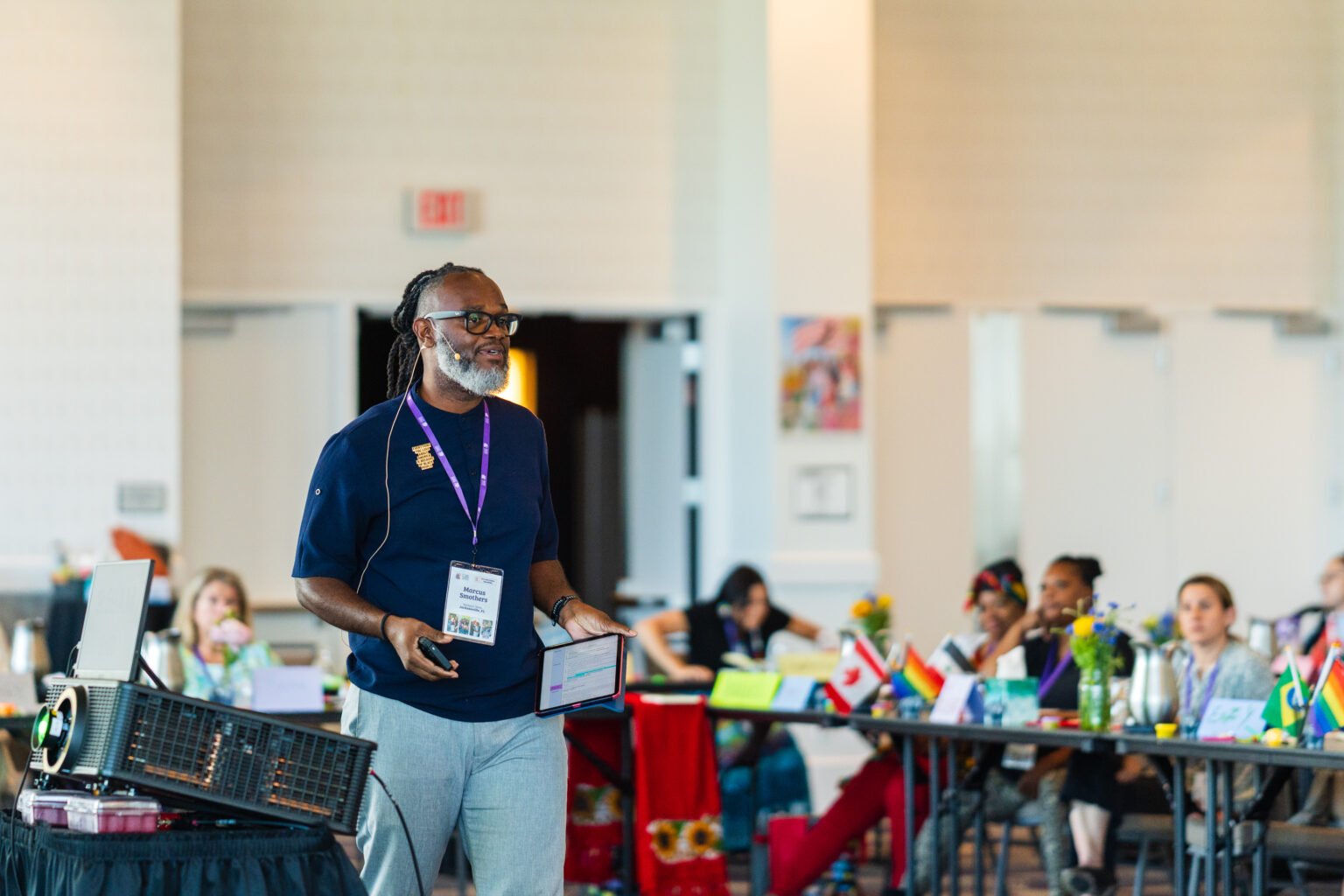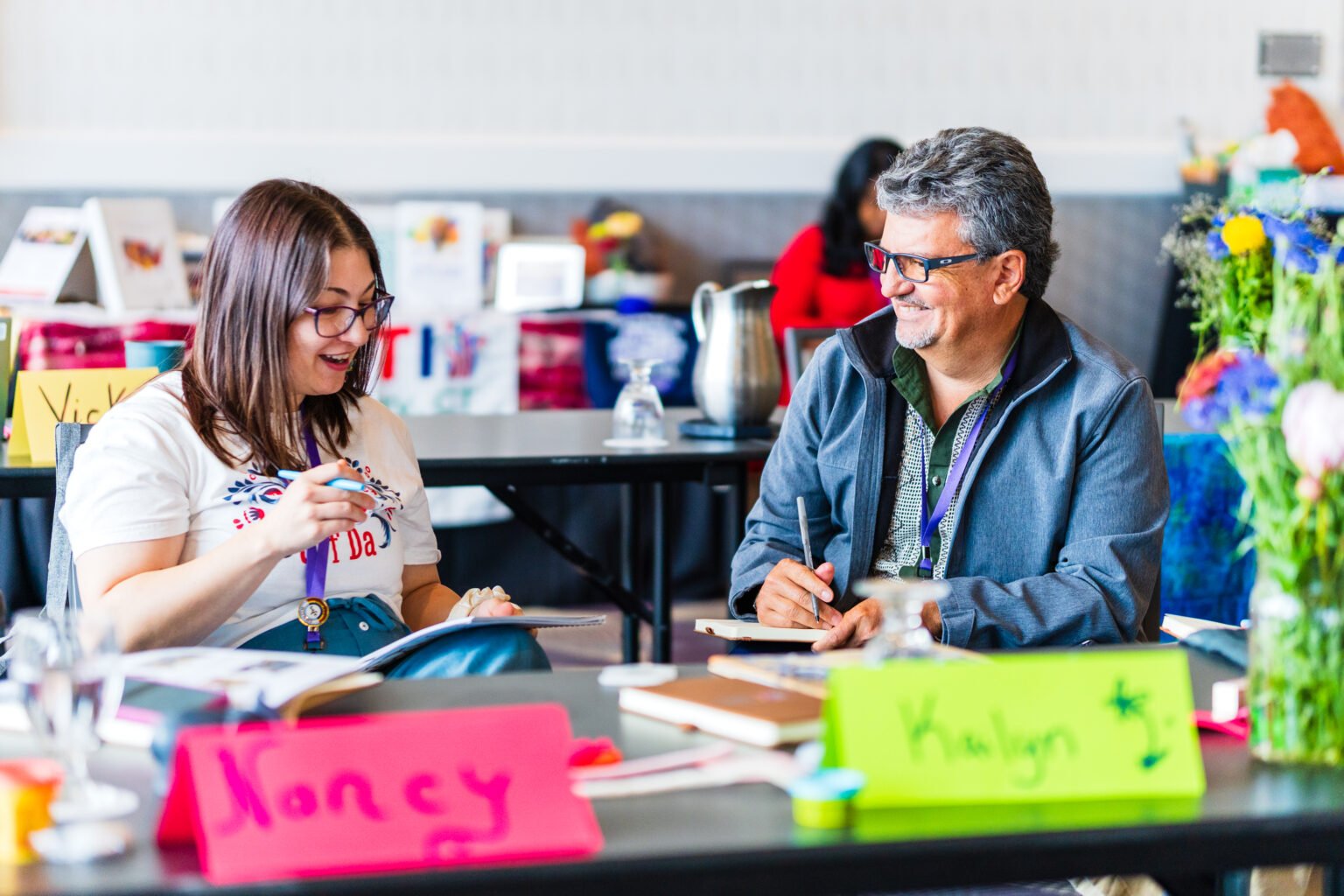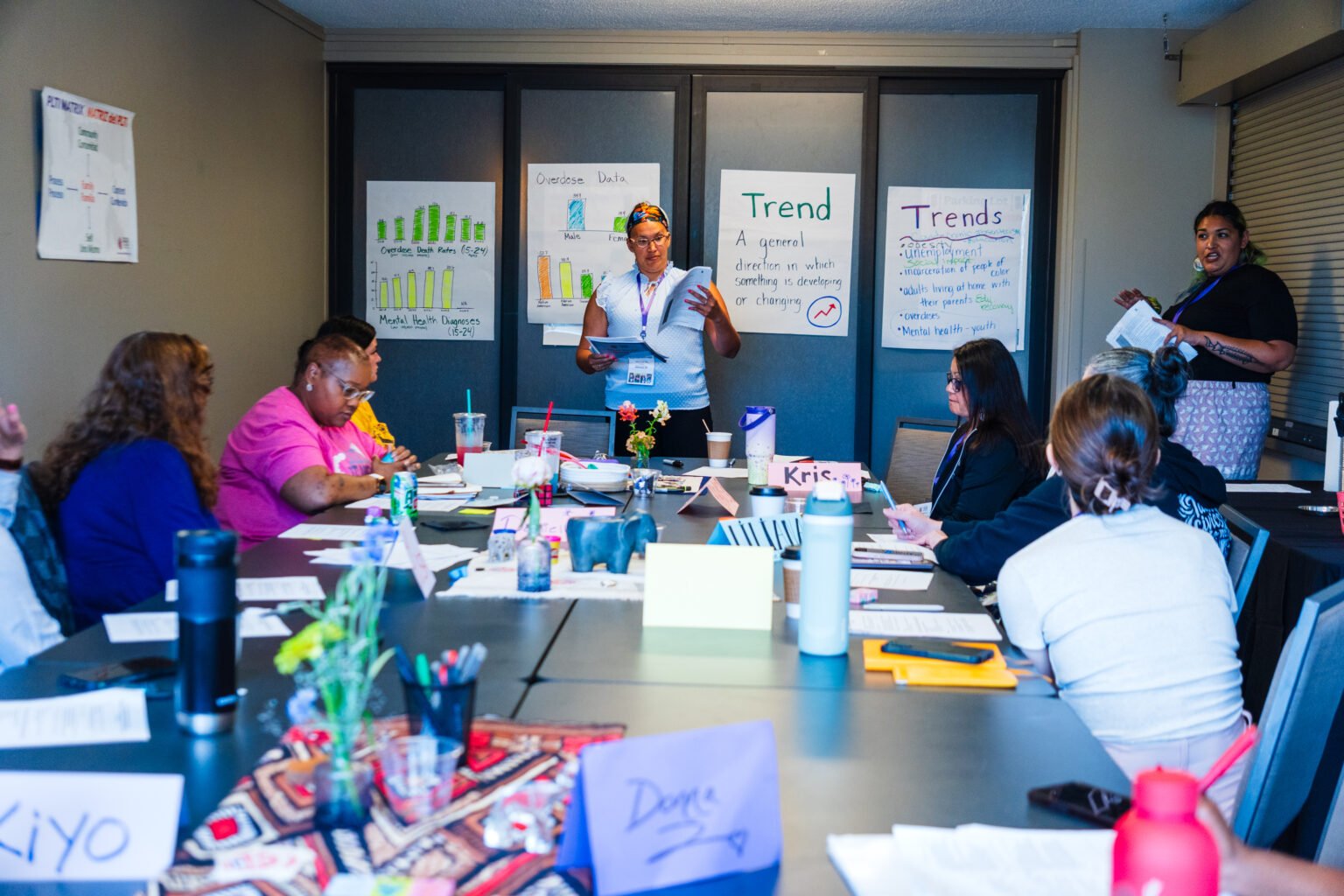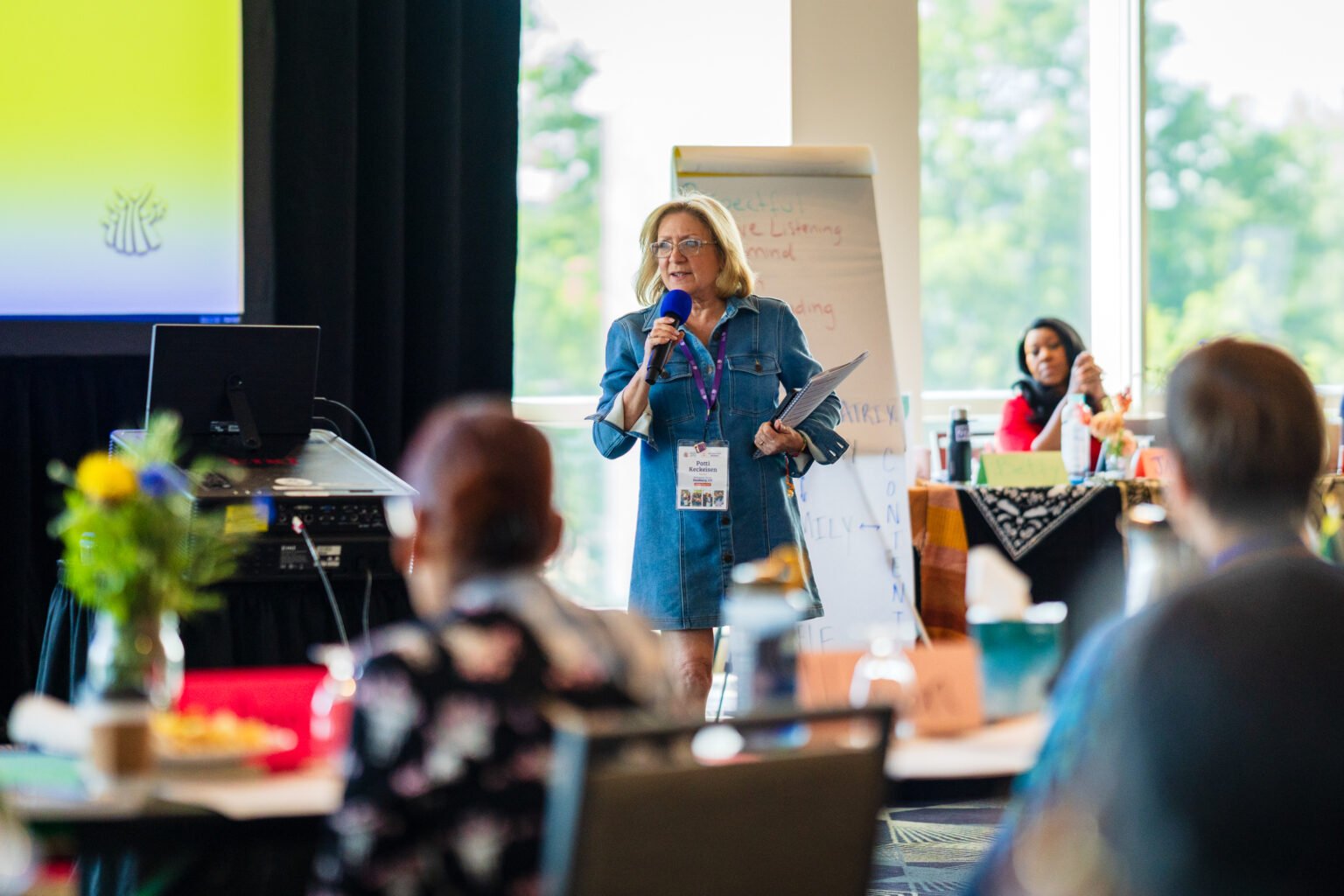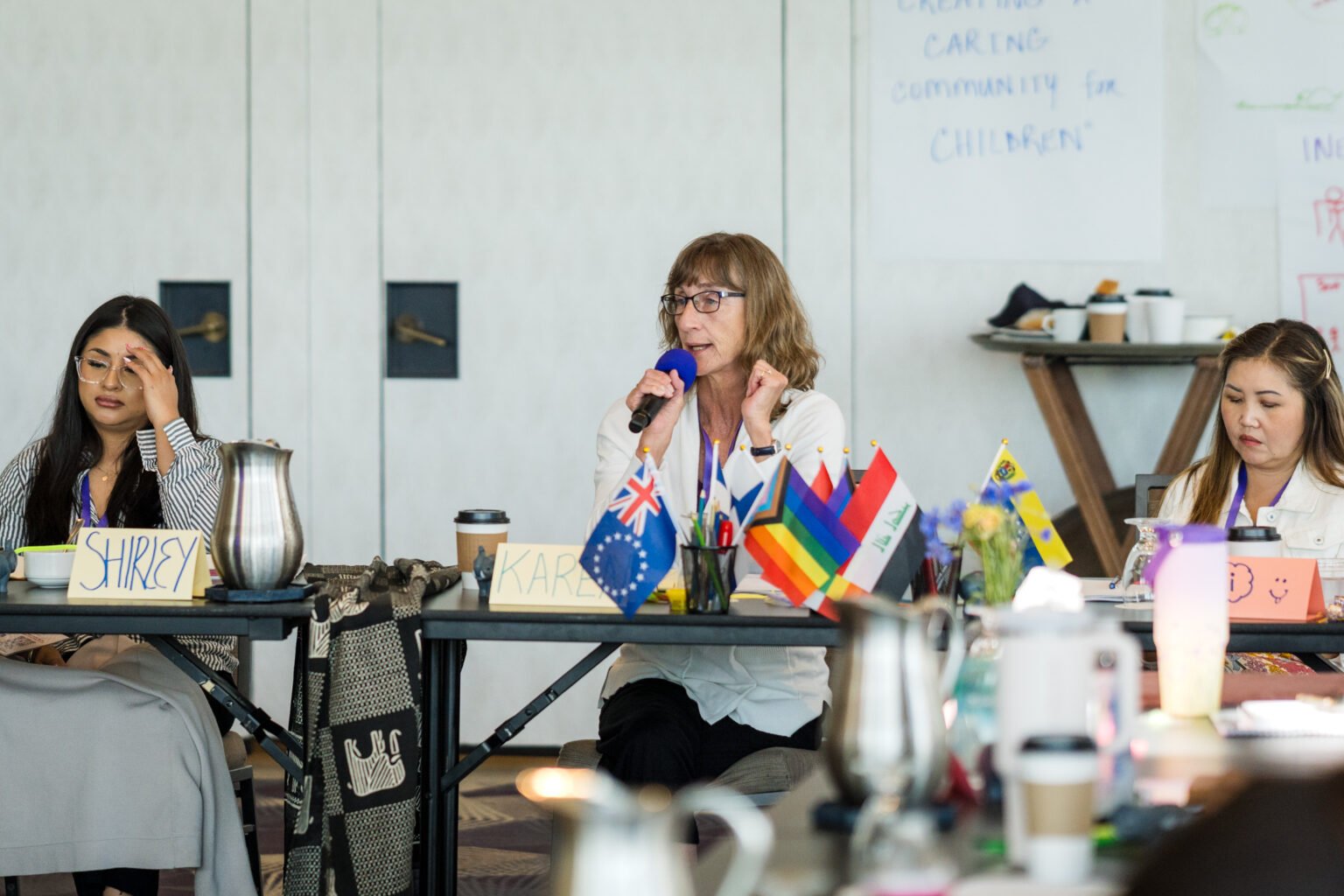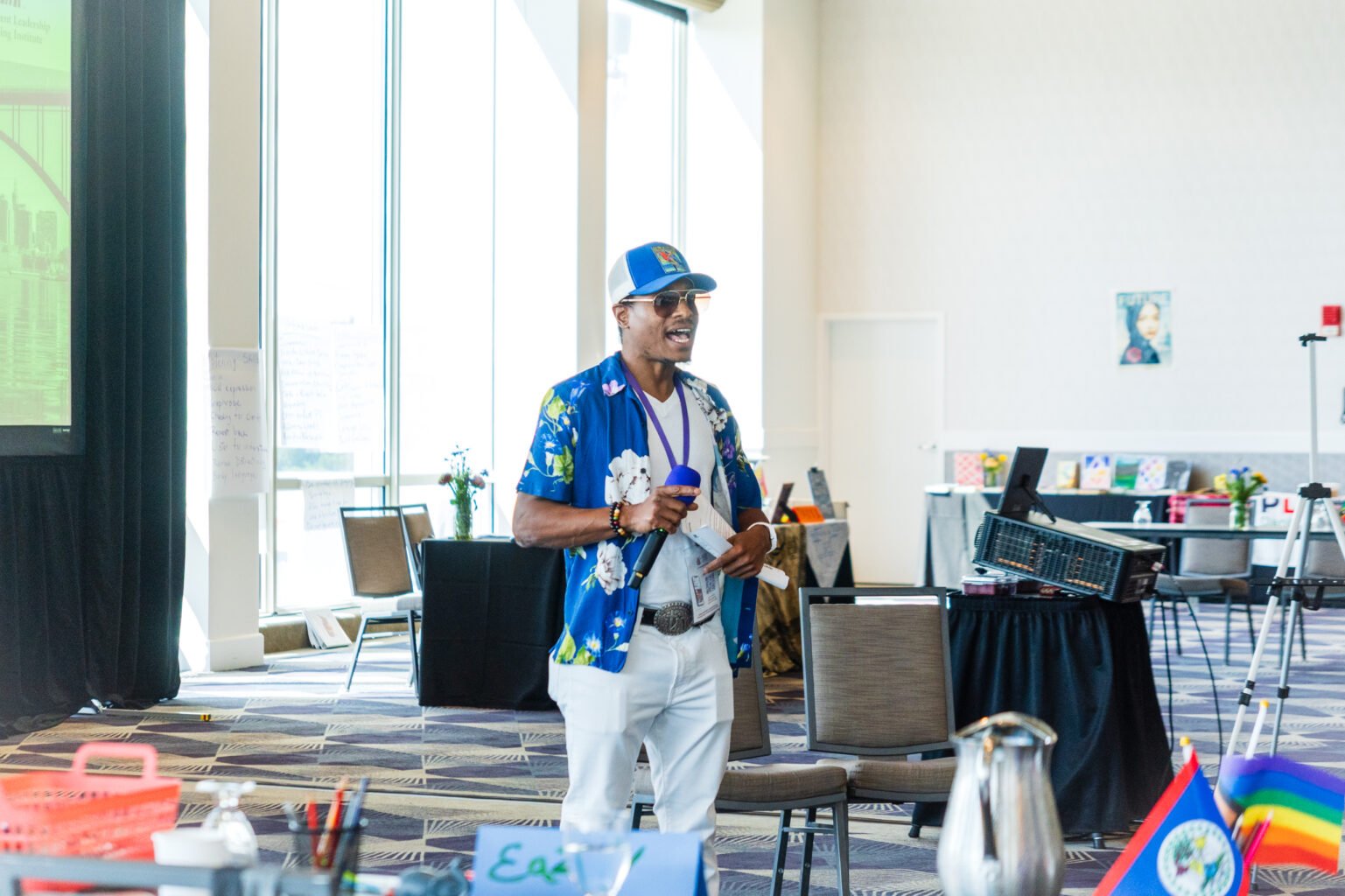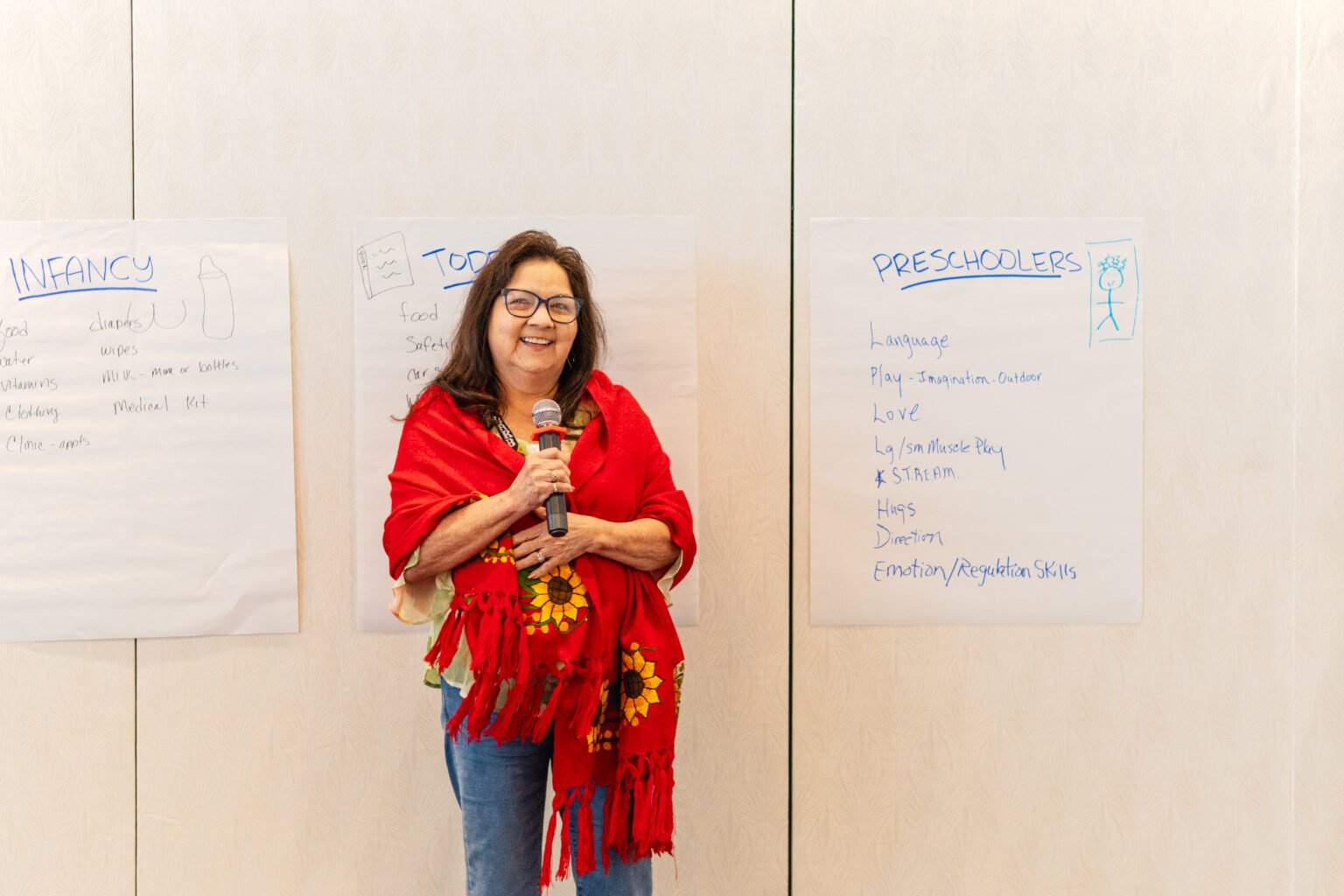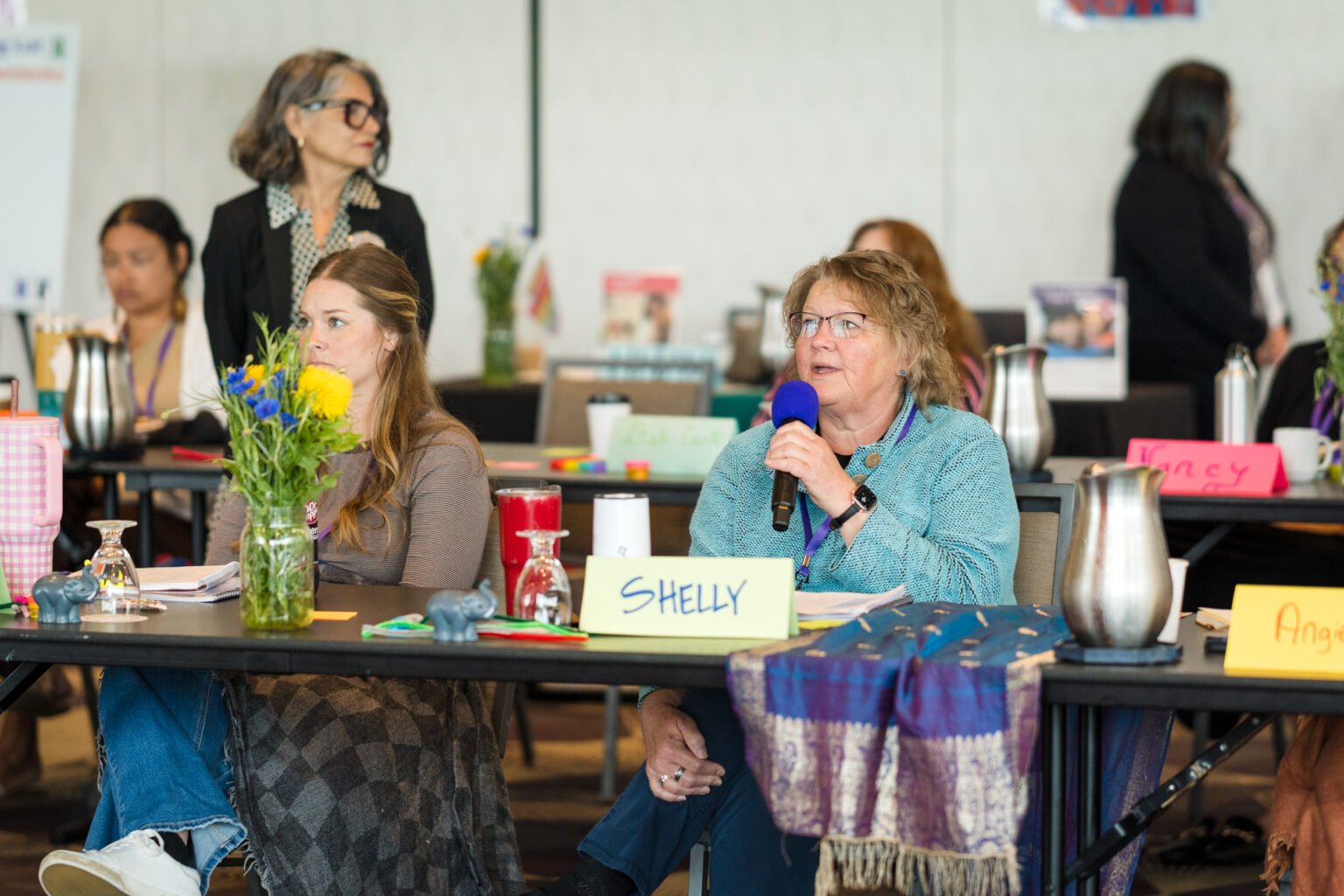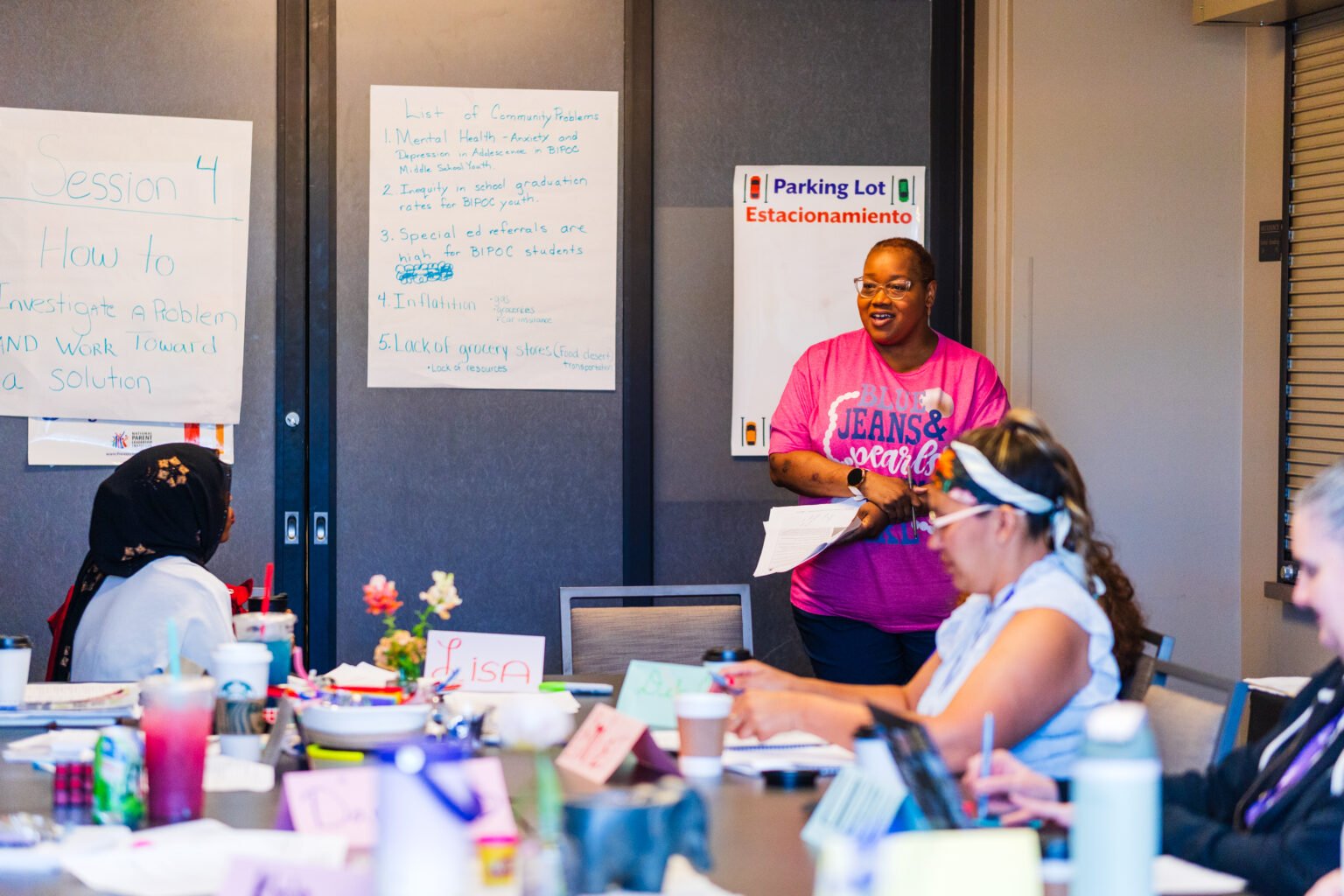

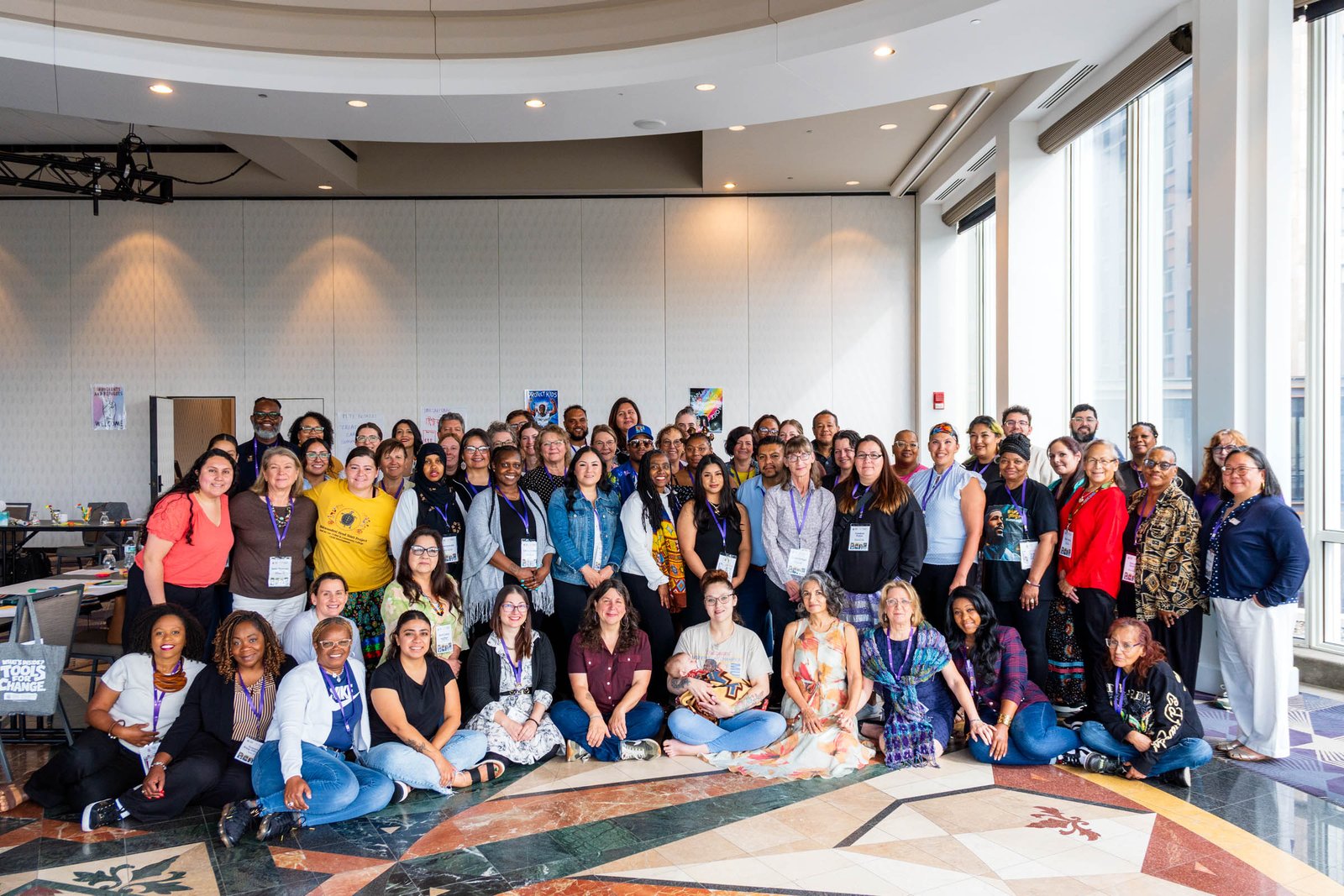
This June, NPLI returned to Minnesota for the 2026 National Parent Leadership Training Institute (PLTI) Training, bringing together a new group of facilitators, site coordinators, Civic Design Team members, and partners in Saint Paul for four days of learning, practice, and connection.
The national training prepares local teams to bring PLTI to their communities while giving learners an opportunity to experience the program from multiple perspectives: first as participants, then as people responsible for creating that same experience for others.
Welcoming the Learning Community
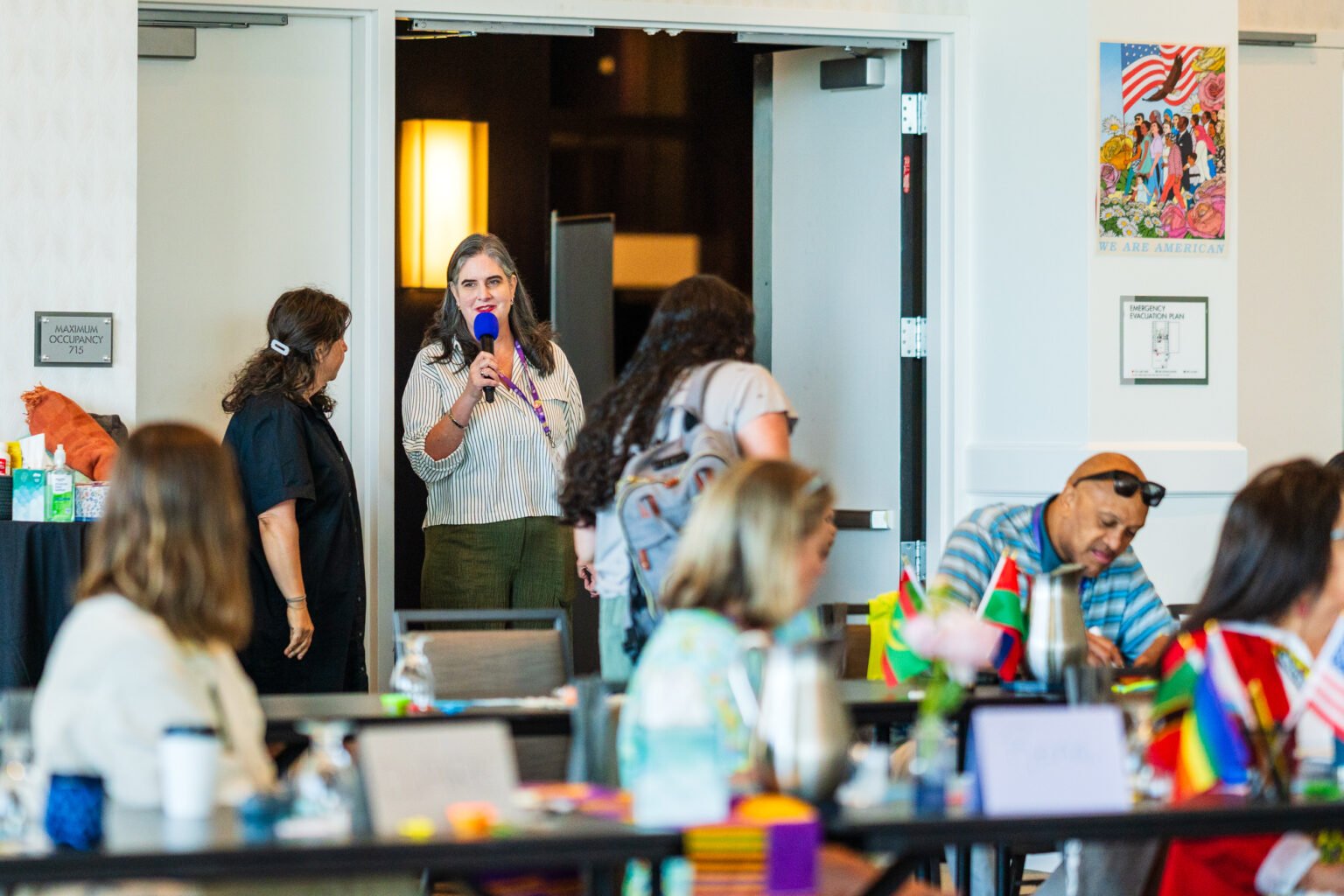
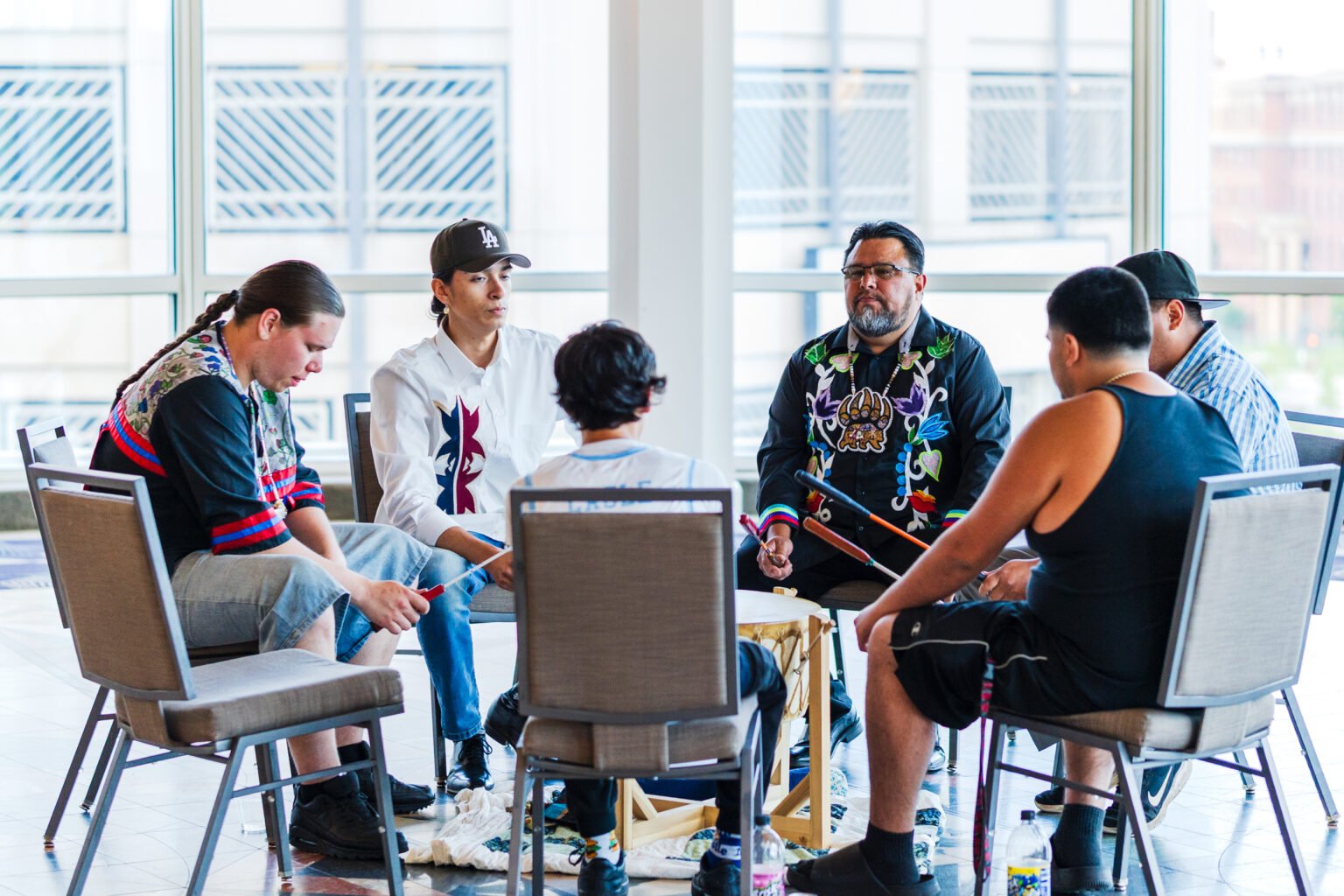
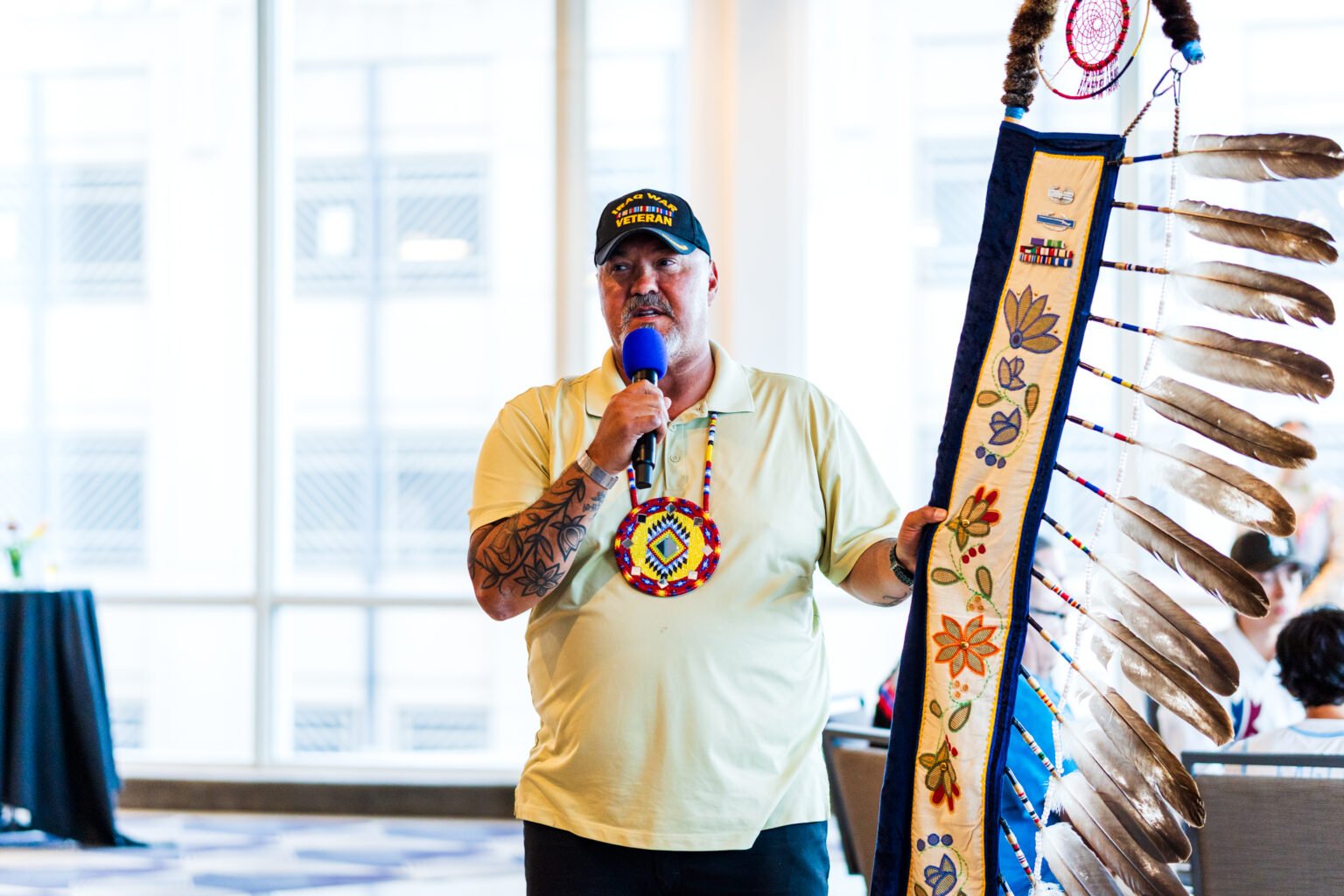
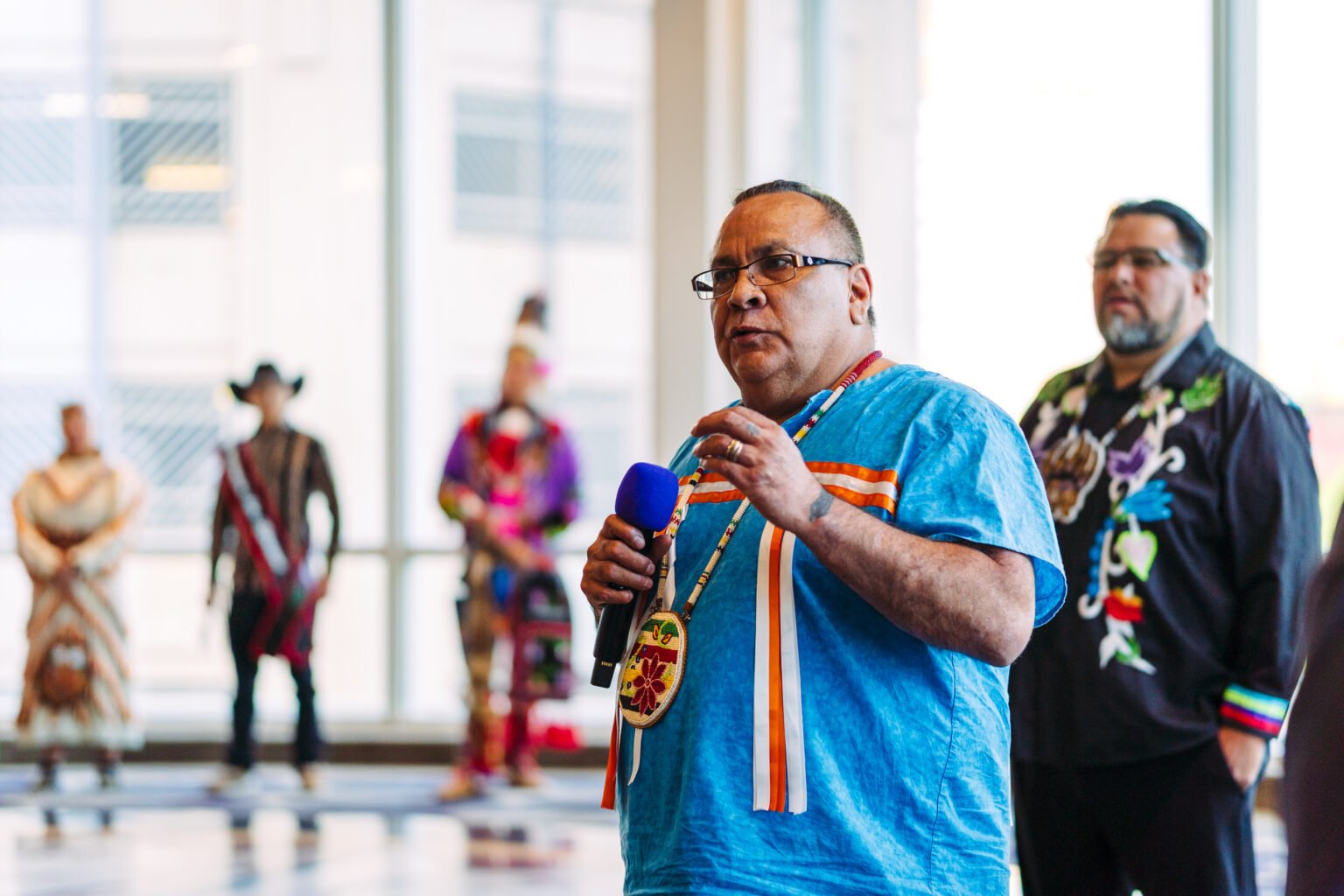
Before training officially began, learners gathered on June 22 for a welcome reception grounded in community, culture, and the connections that would carry through the week.
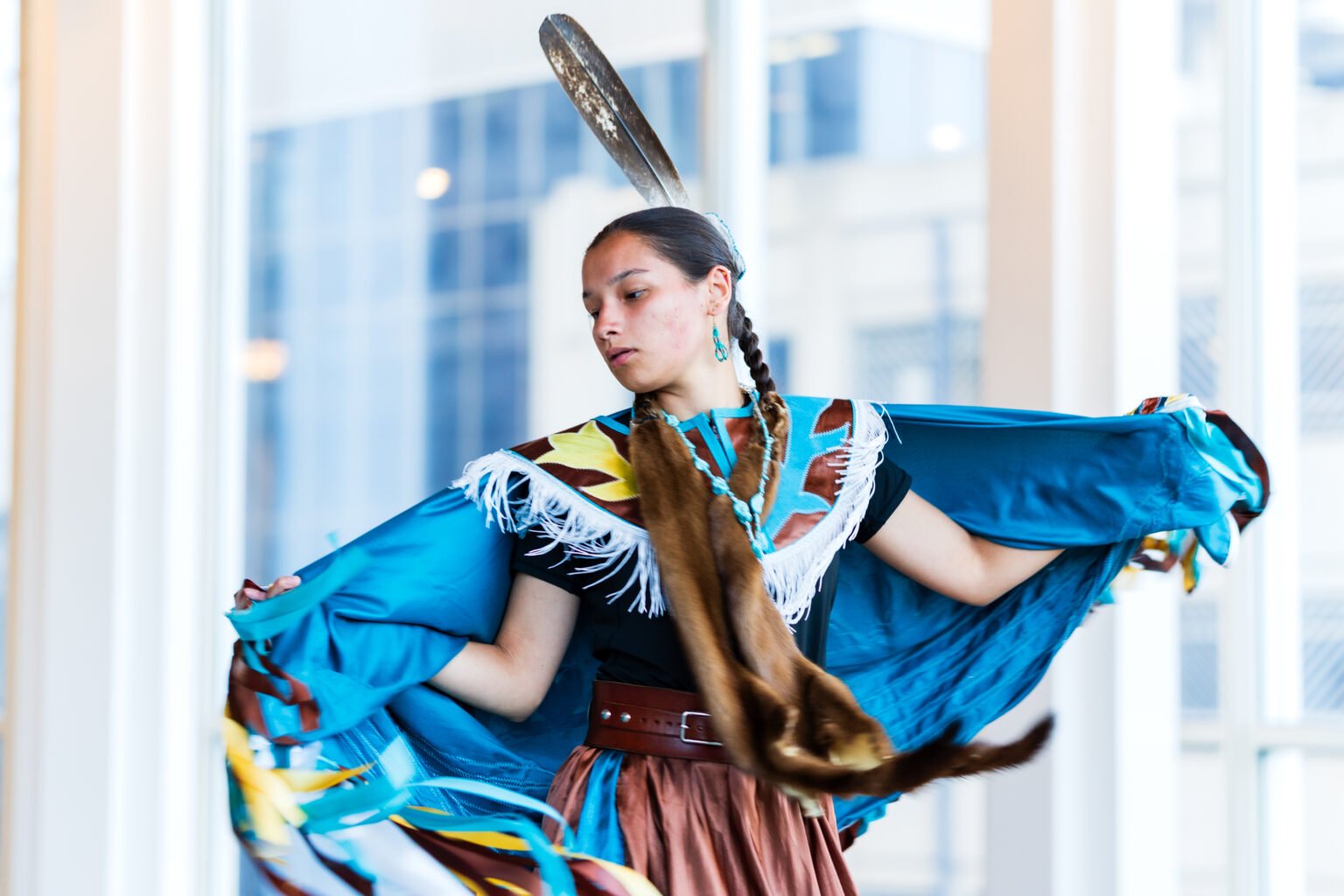
Members of the Mille Lacs Band of Ojibwe opened the evening with a smudging ceremony, traditional Grand Entry, invocation, welcome, and closing dance.
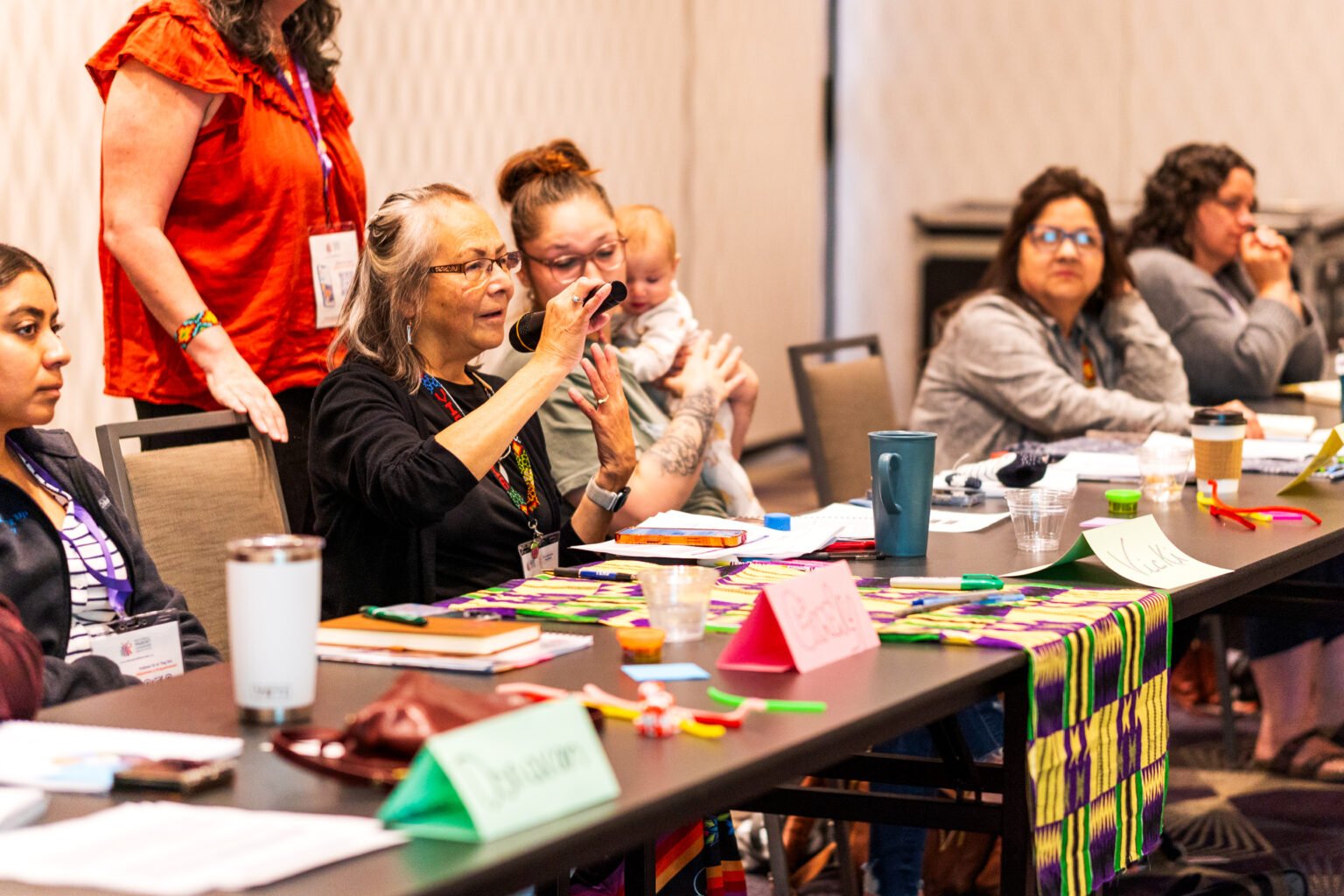
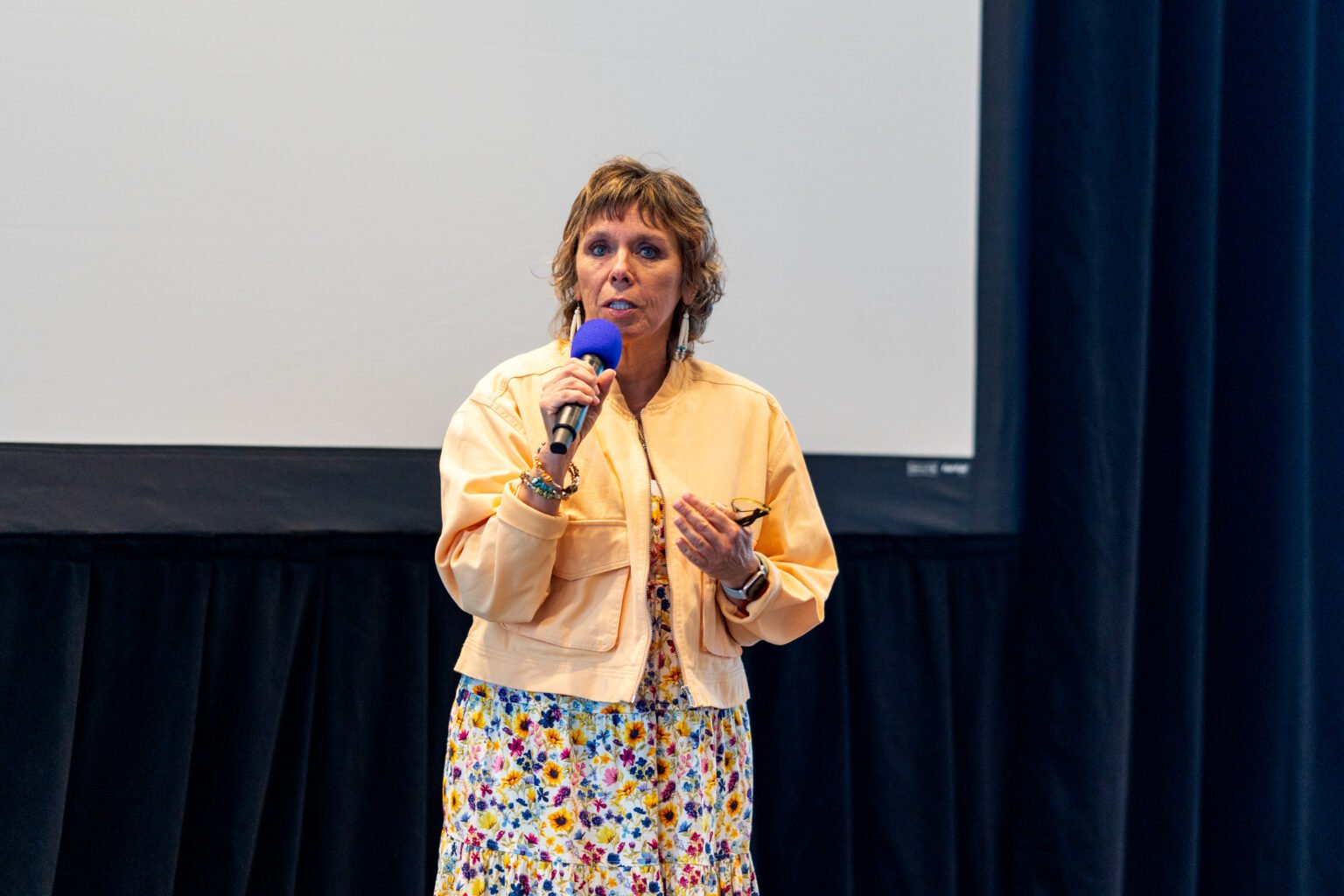
Learners also heard from Windy Ross, Training and Prevention Director within the Minnesota Department of Children, Youth, and Families’ Child Safety and Permanency Administration, and Minnesota Supreme Court Justice Anne McKeig.
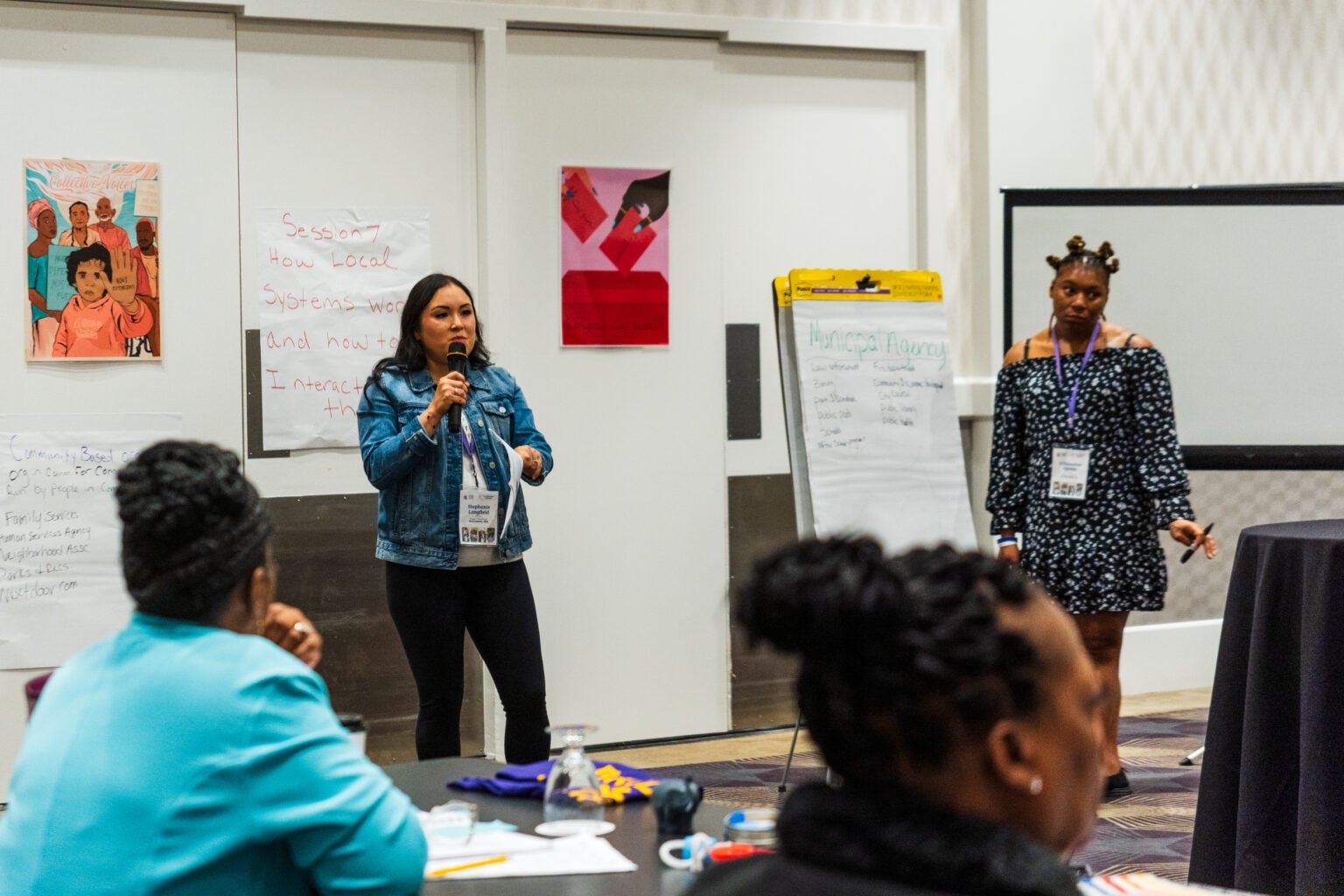
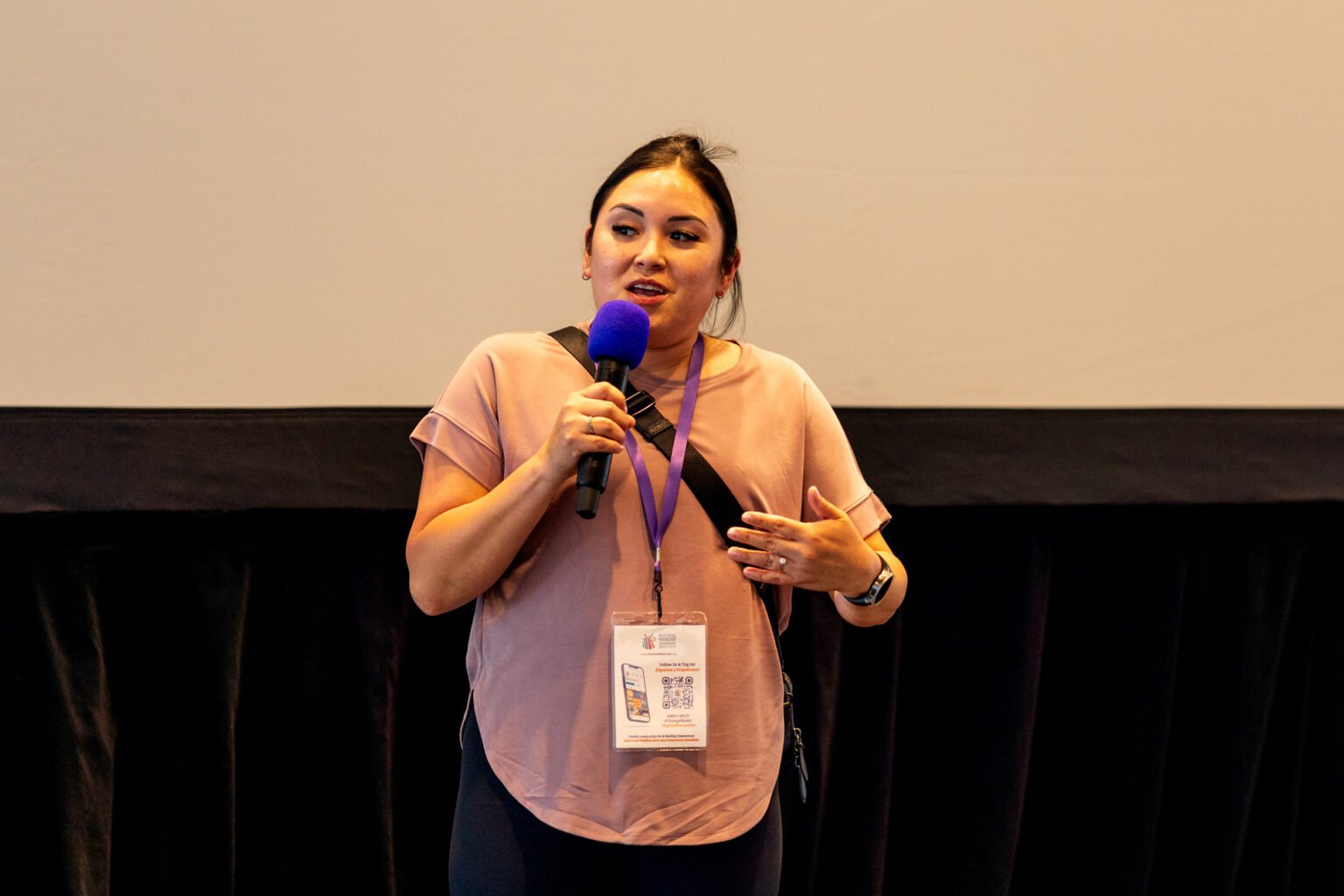
Stephanie Longfield, a parent leader and graduate of the Indigenous Parent Leadership Initiative (IPLI) at White Earth Nation, shared her own experience with the program and the ways parent leadership can grow beyond the classroom. IPLI is a culturally adapted version of PLTI that brings the curriculum together with Ojibwe cultural teachings. Since graduating, Stephanie has continued contributing her experience and perspective to community and systems-level work.
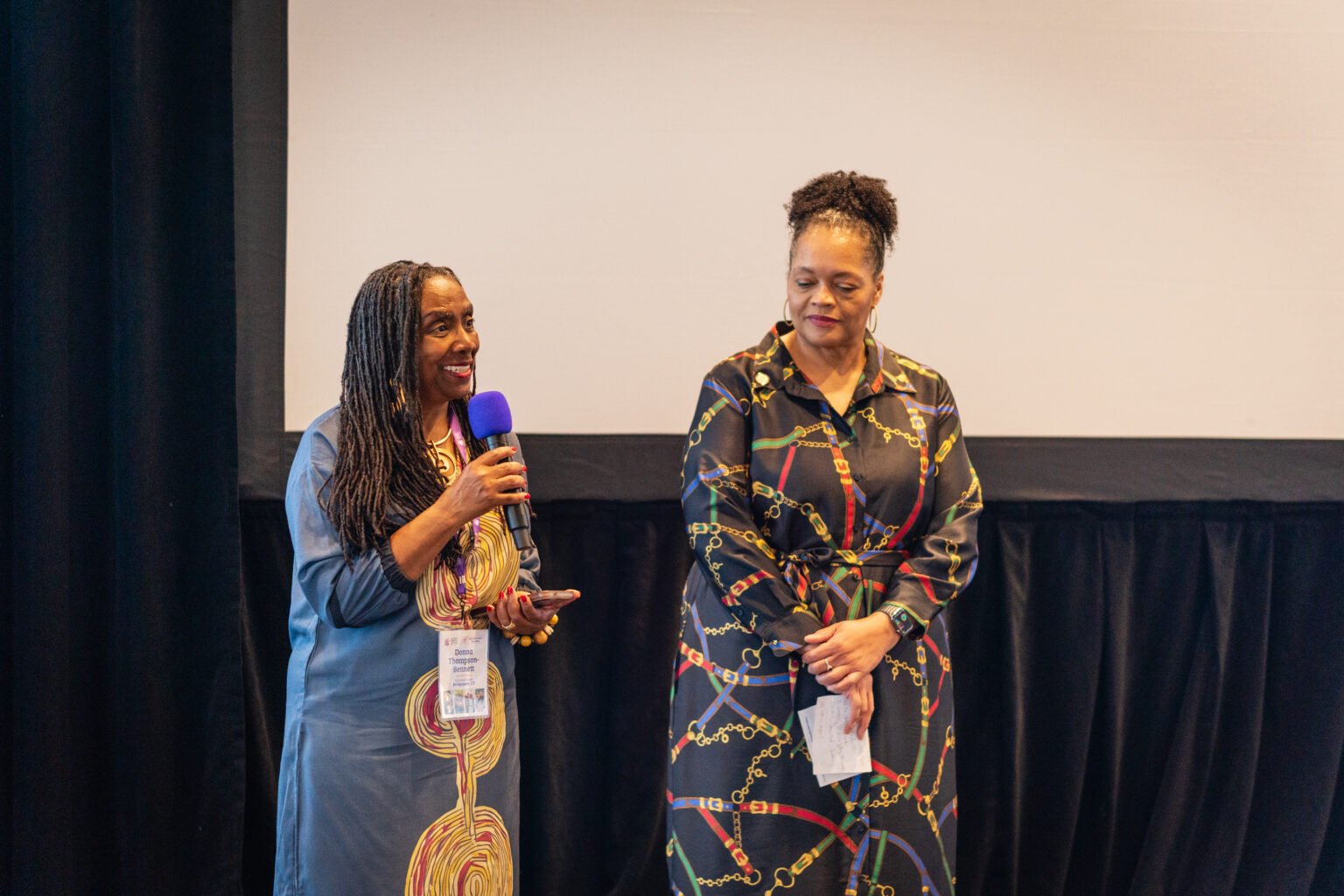
NPLI Executive Director Donna Thompson-Bennett and Melvette Hill, Executive Director of the Connecticut Commission on Women, Children, Seniors, Equity & Opportunity, welcomed the group and reflected on the larger PLTI community learners were joining.
Experiencing PLTI Before Facilitating It
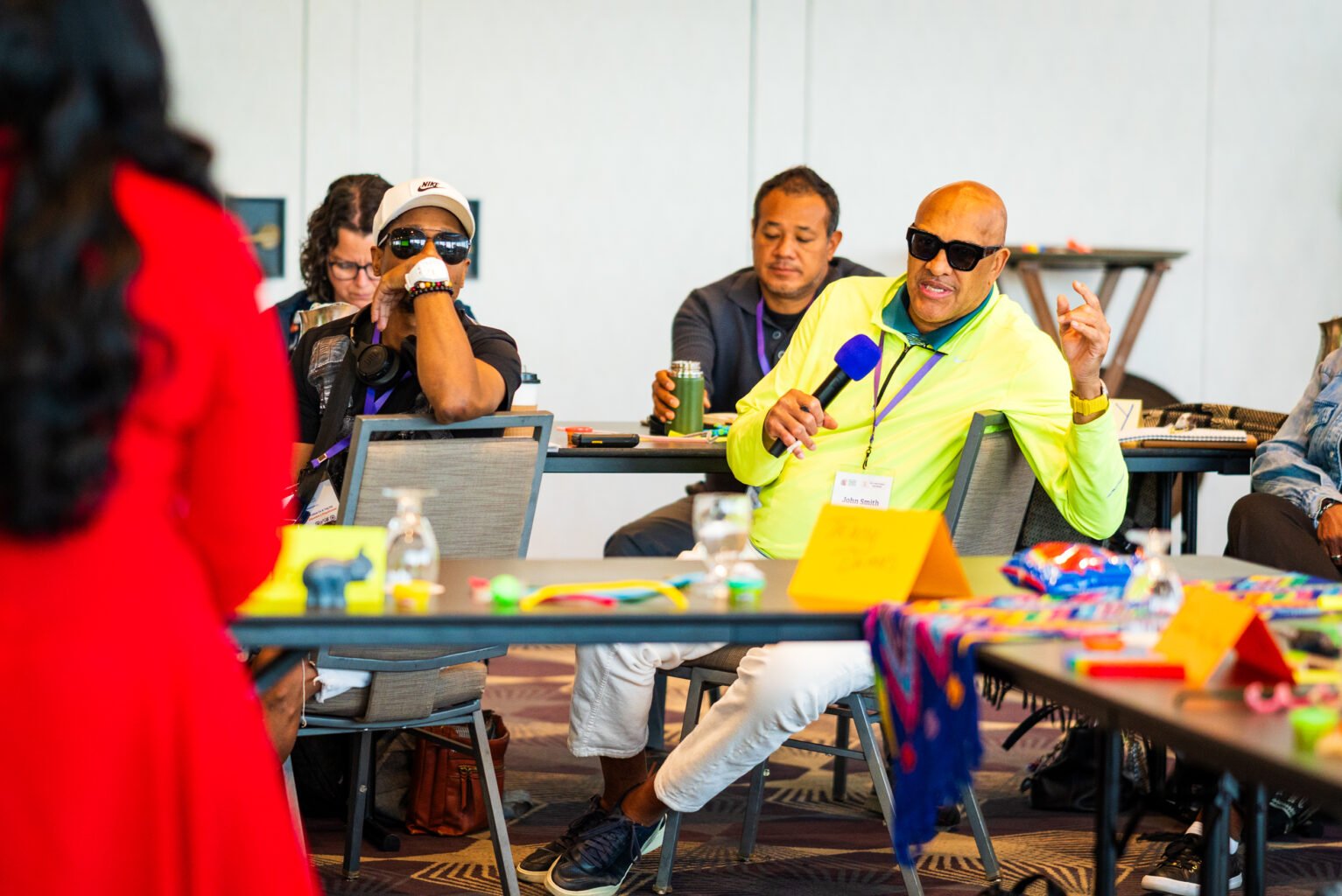
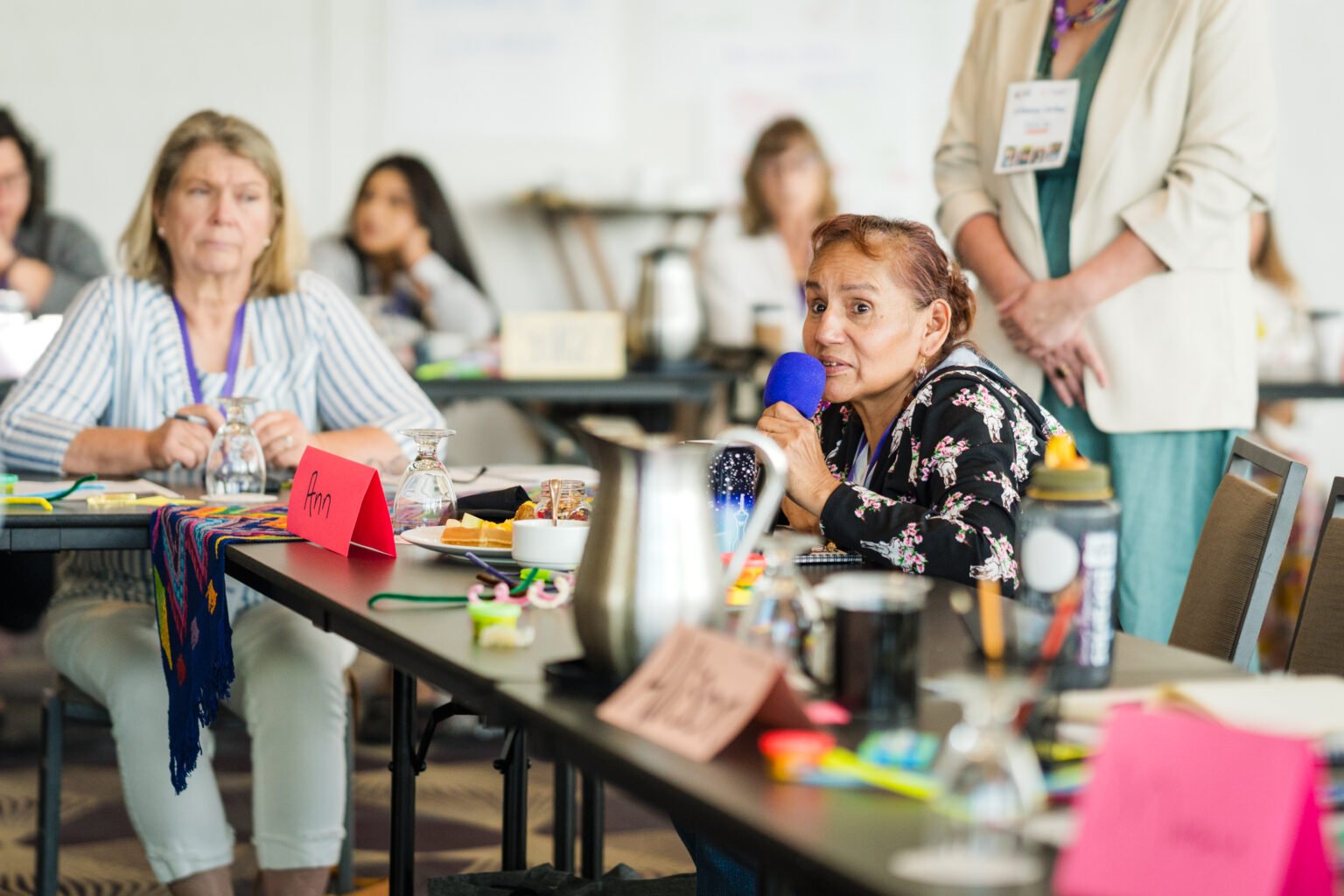
Rather than beginning with a manual or a list of facilitation techniques, learners started by experiencing PLTI much as local participants do.
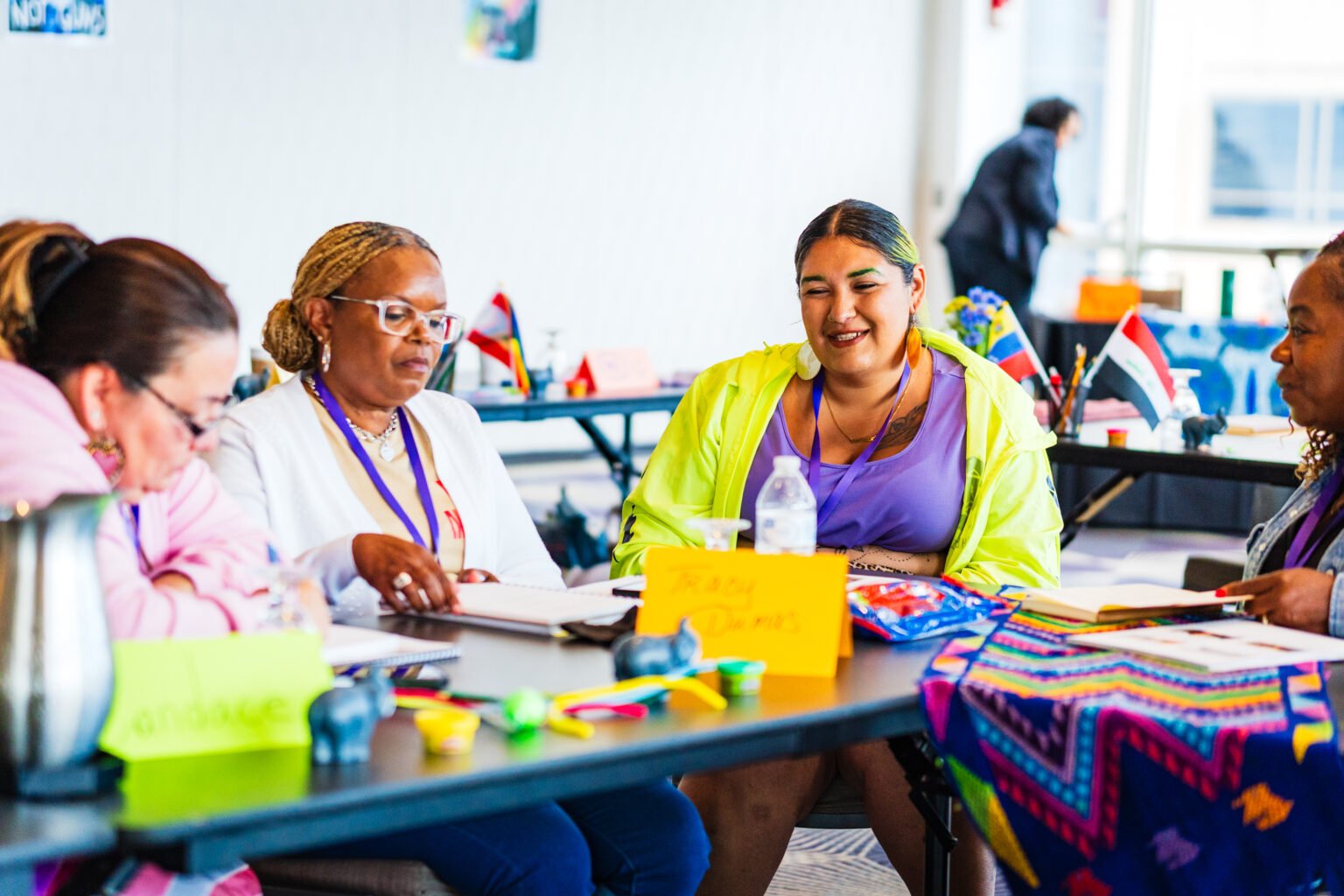
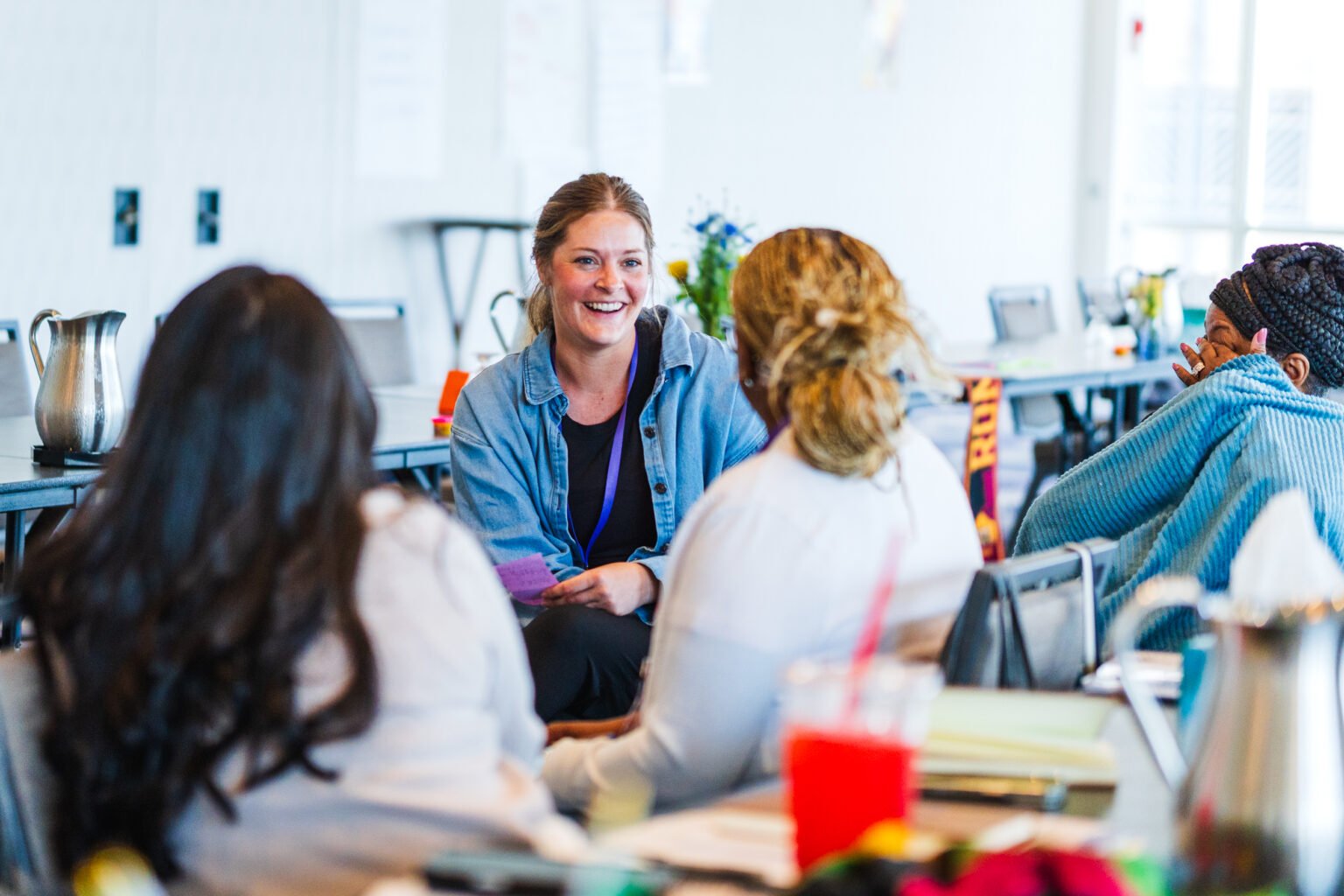
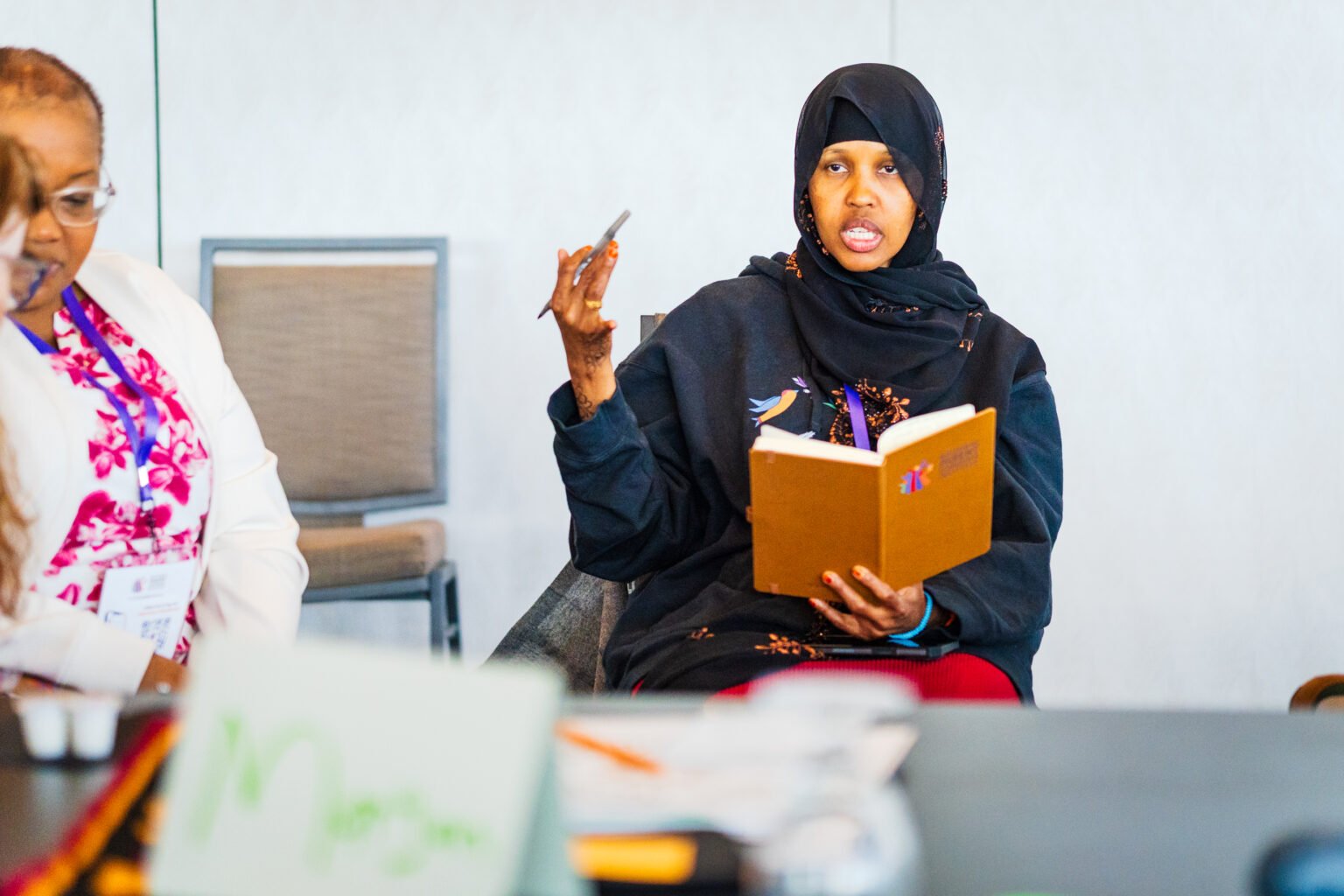
The group received a taste of the PLTI Retreat, where a cohort begins building the relationships and sense of community that support the weeks ahead. From there, learners explored how adults learn in different ways and were introduced to NPLI’s Quality Indicators for strong facilitation.
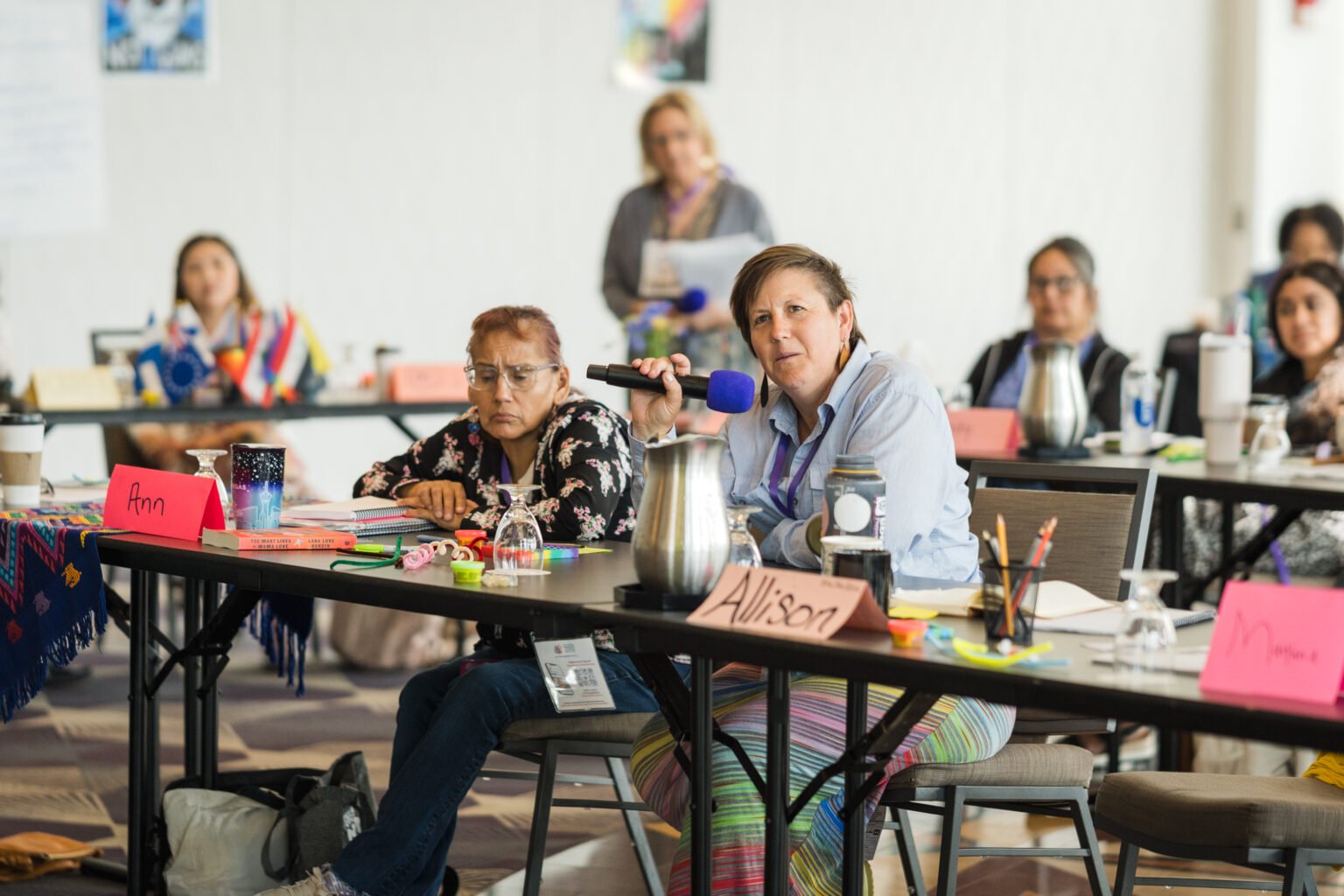
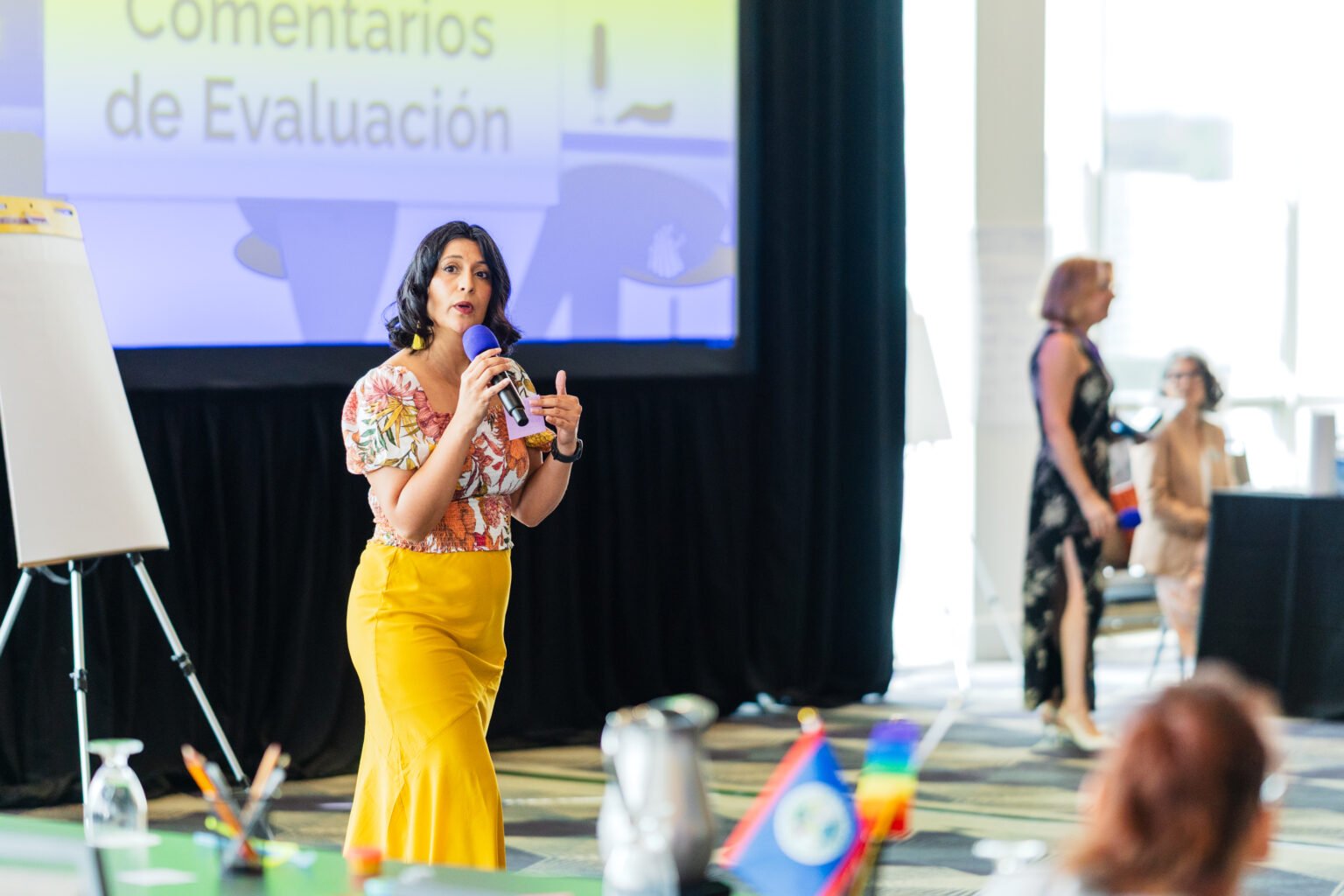
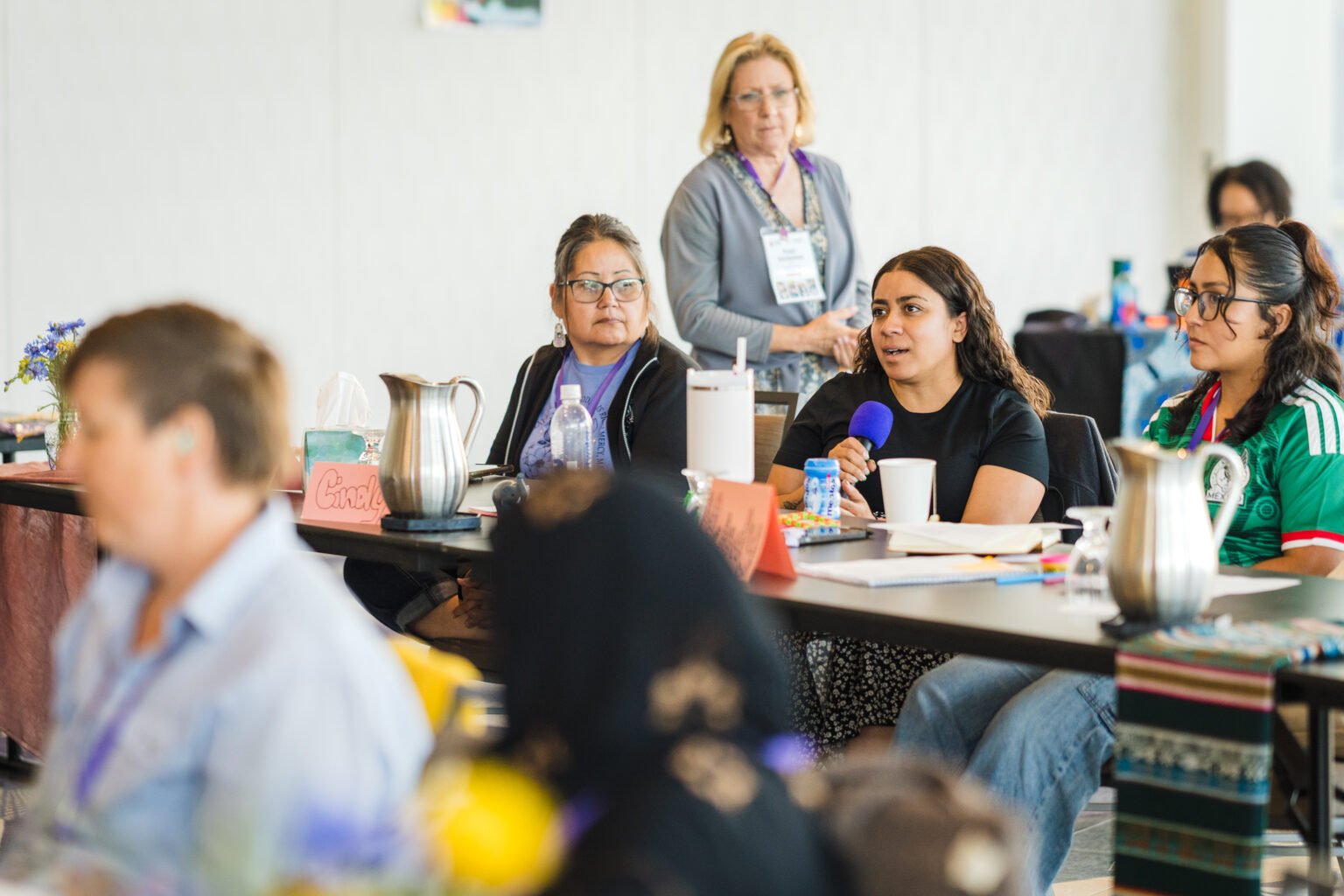
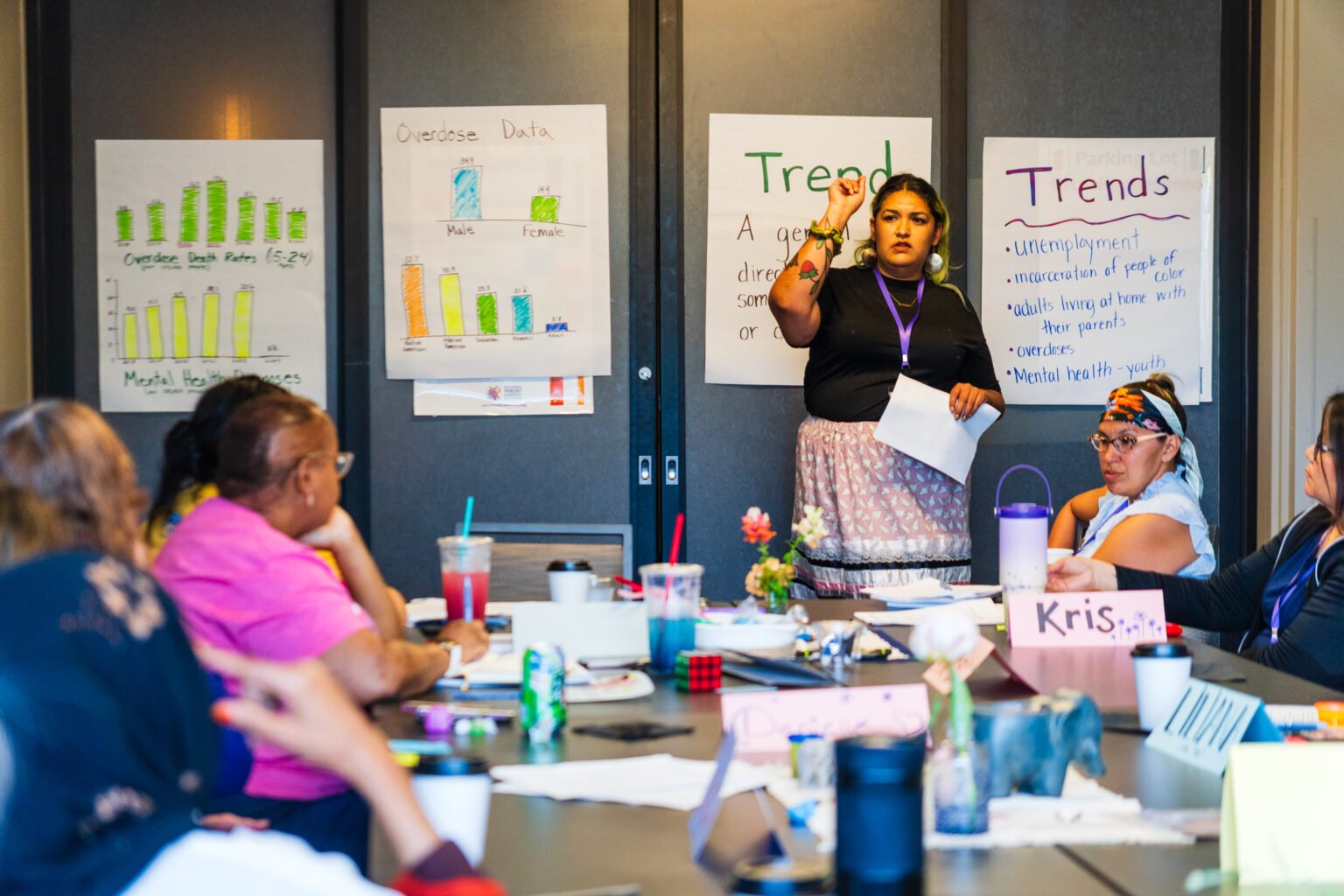
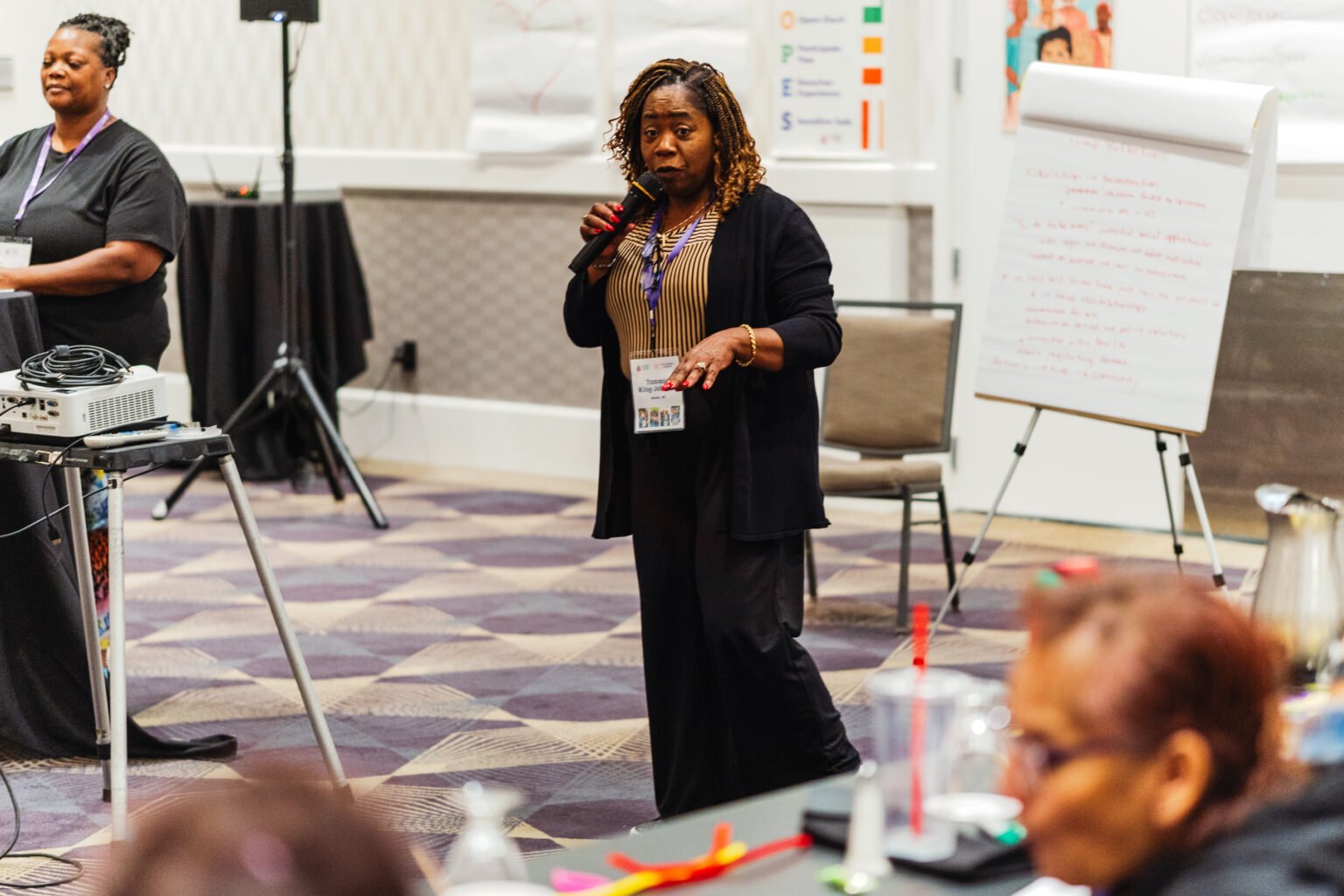
As the training continued, the group experienced the full life cycle of a PLTI session through Session 5: The Intentional Use of Language. NPLI’s national facilitators modeled not only the curriculum content, but also the choices behind the facilitation: how activities connect, how questions invite deeper reflection, and how facilitators create space for different voices and learning styles.
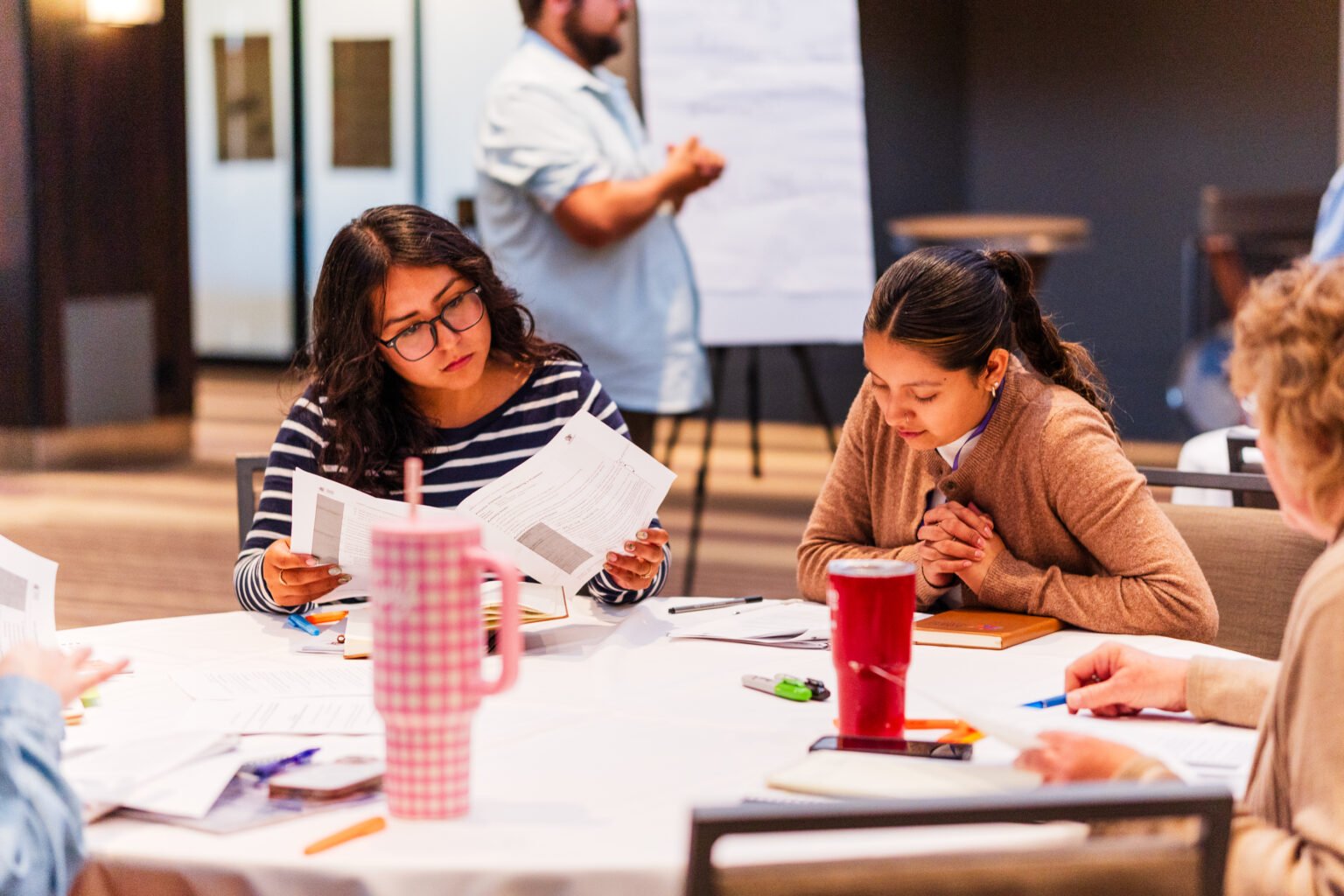
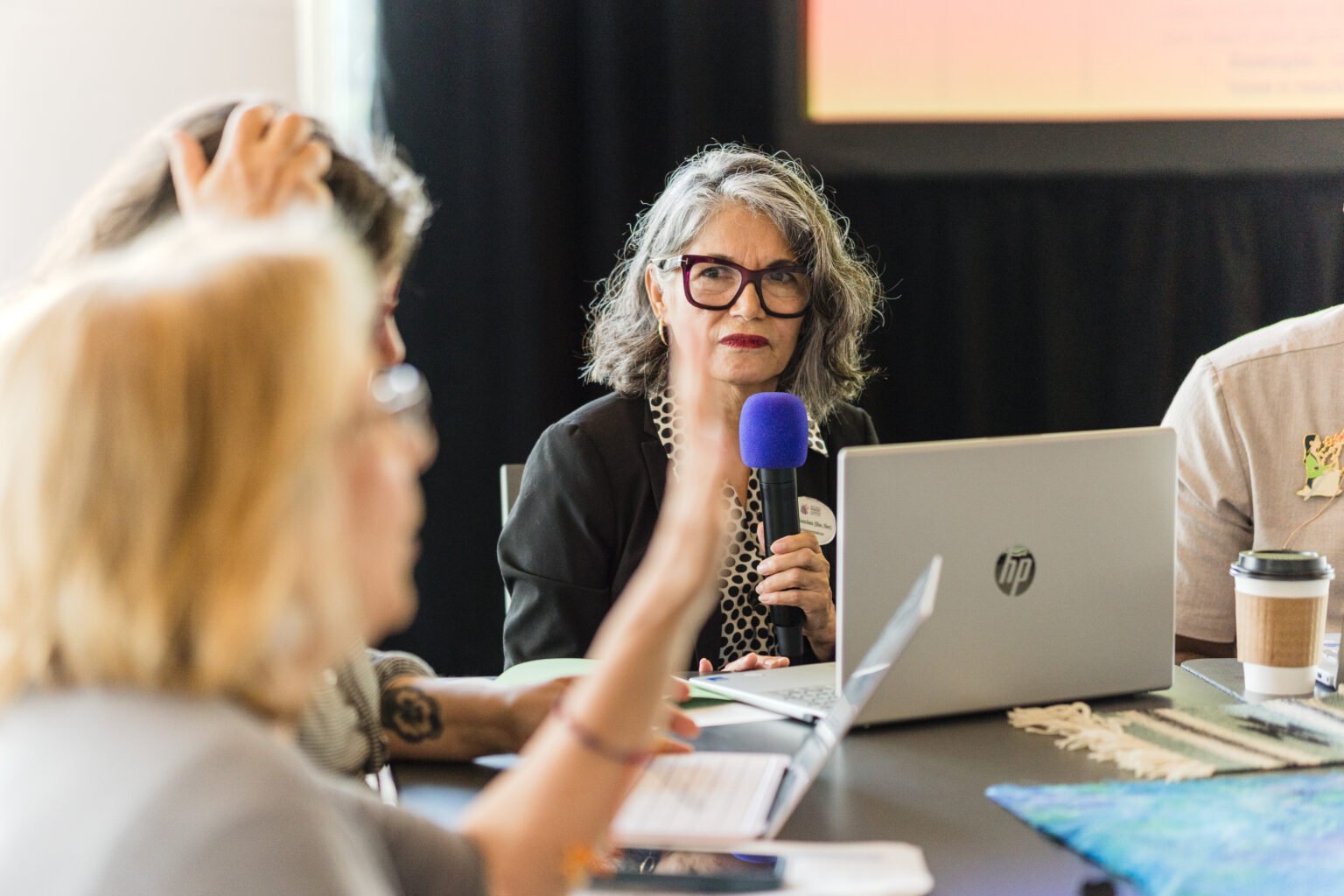
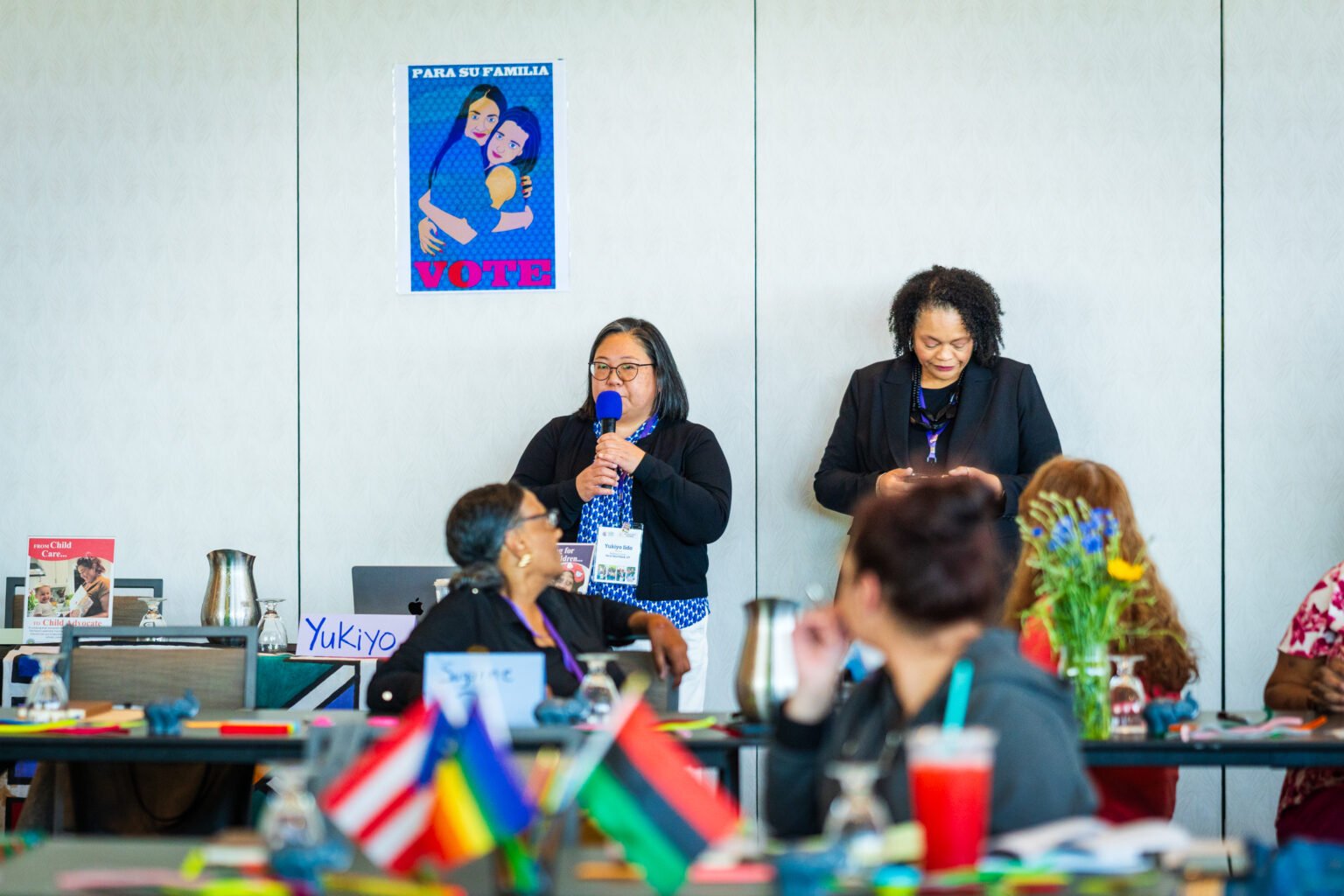
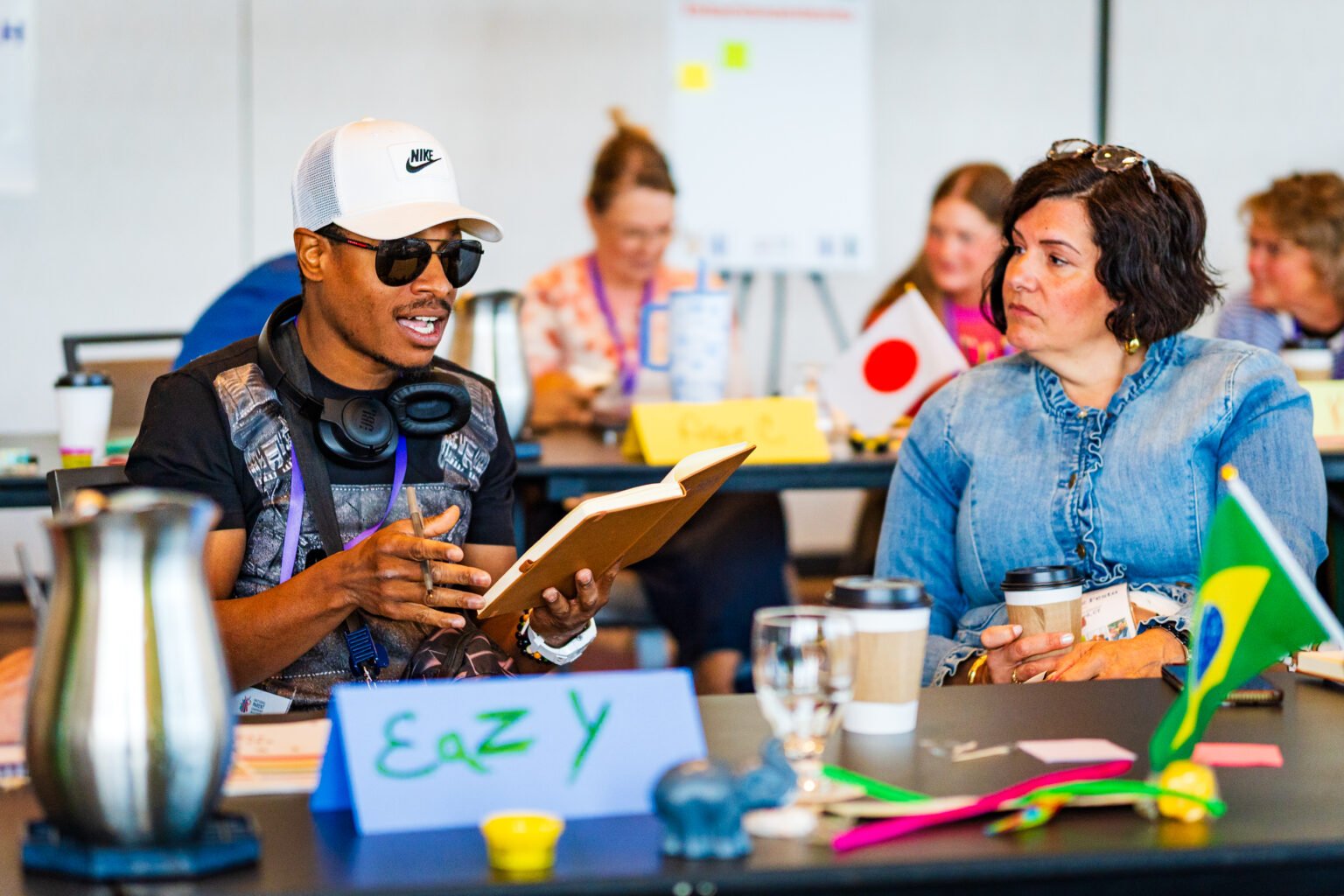
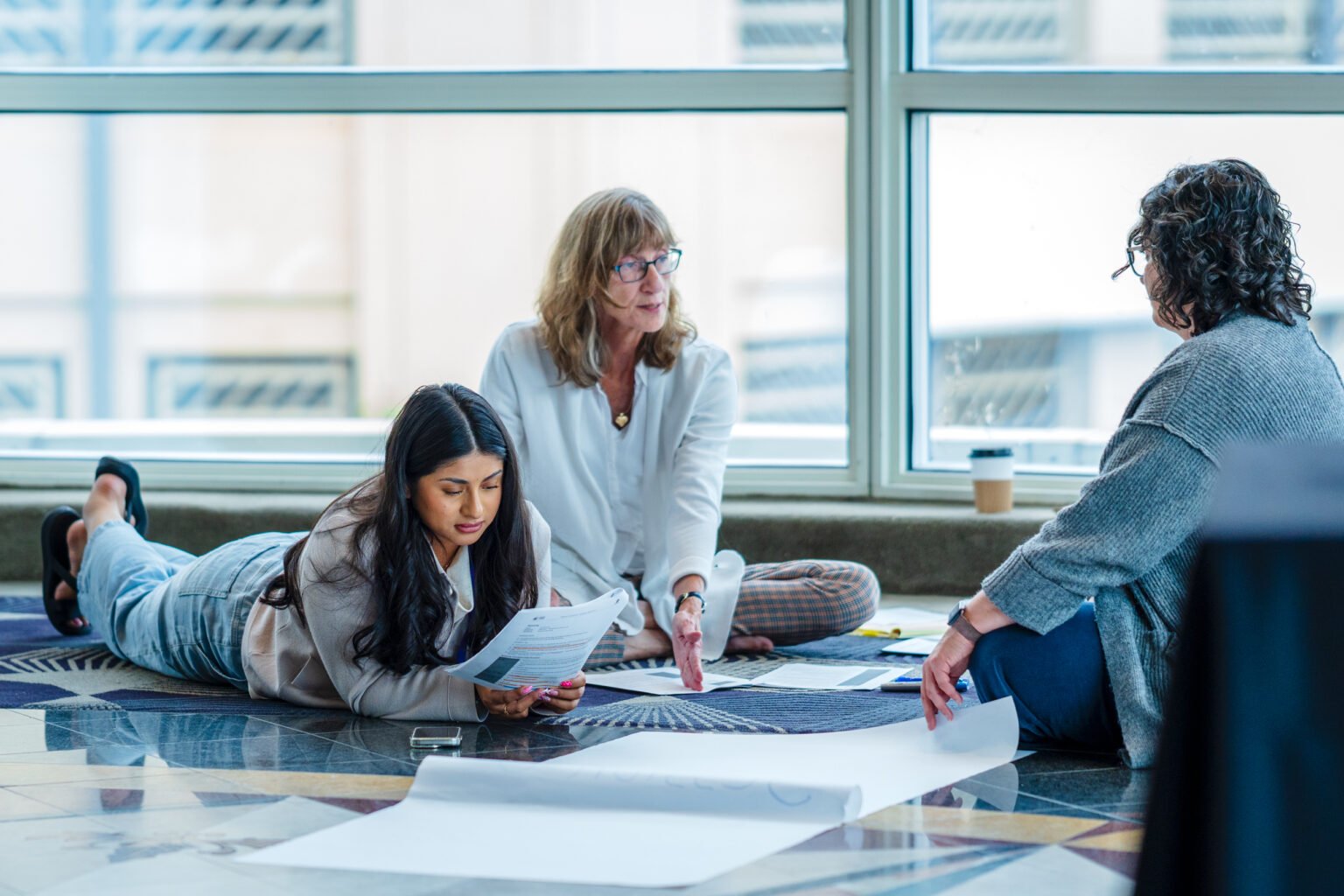
Learners then moved into smaller affinity groups based on the roles they will play locally: Site Coordinators and Civic Design Team members, Phase I Facilitators, and Phase II Facilitators. These smaller groups gave participants space to dig into the responsibilities, questions, and challenges specific to their work.
Putting It Into Practice
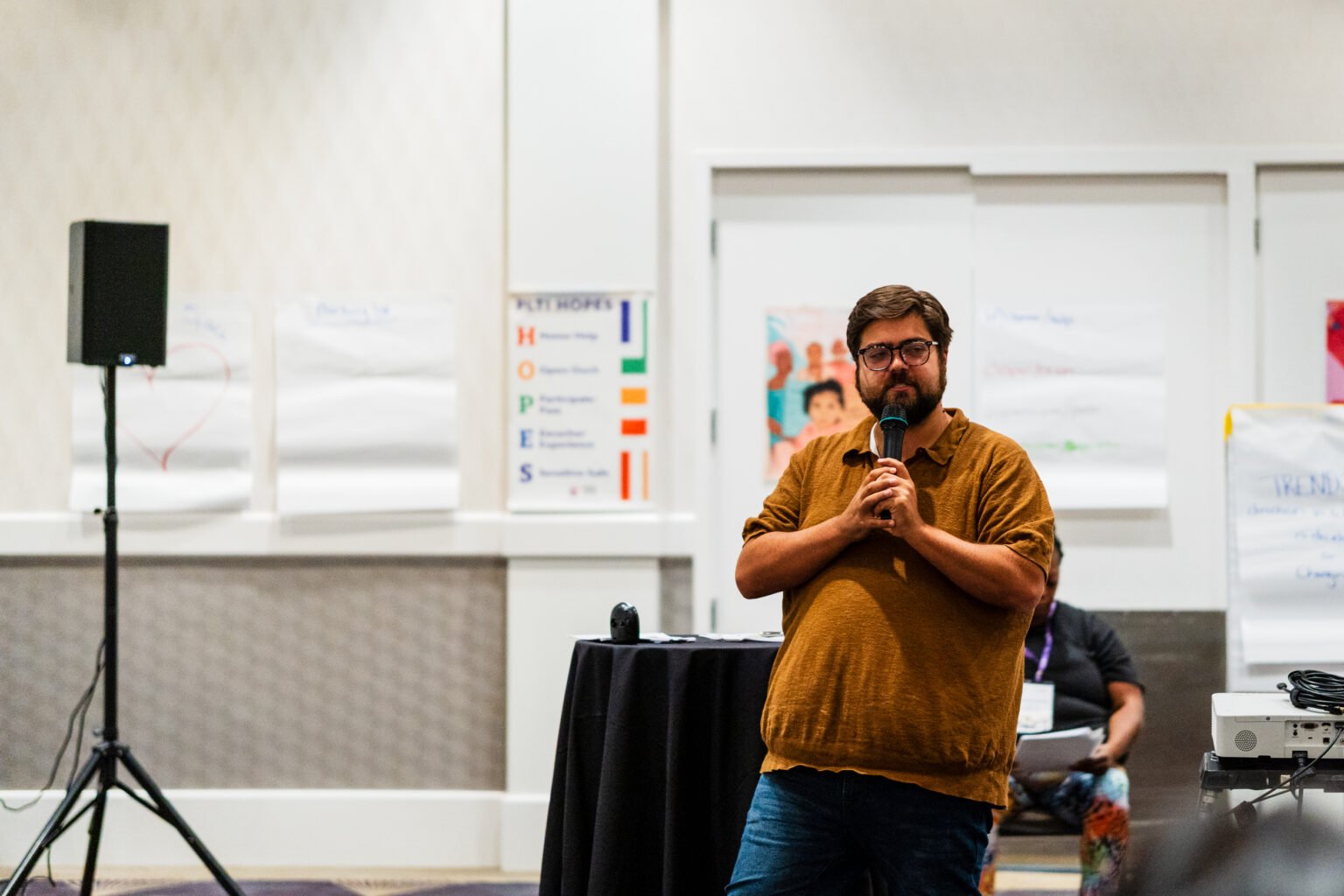
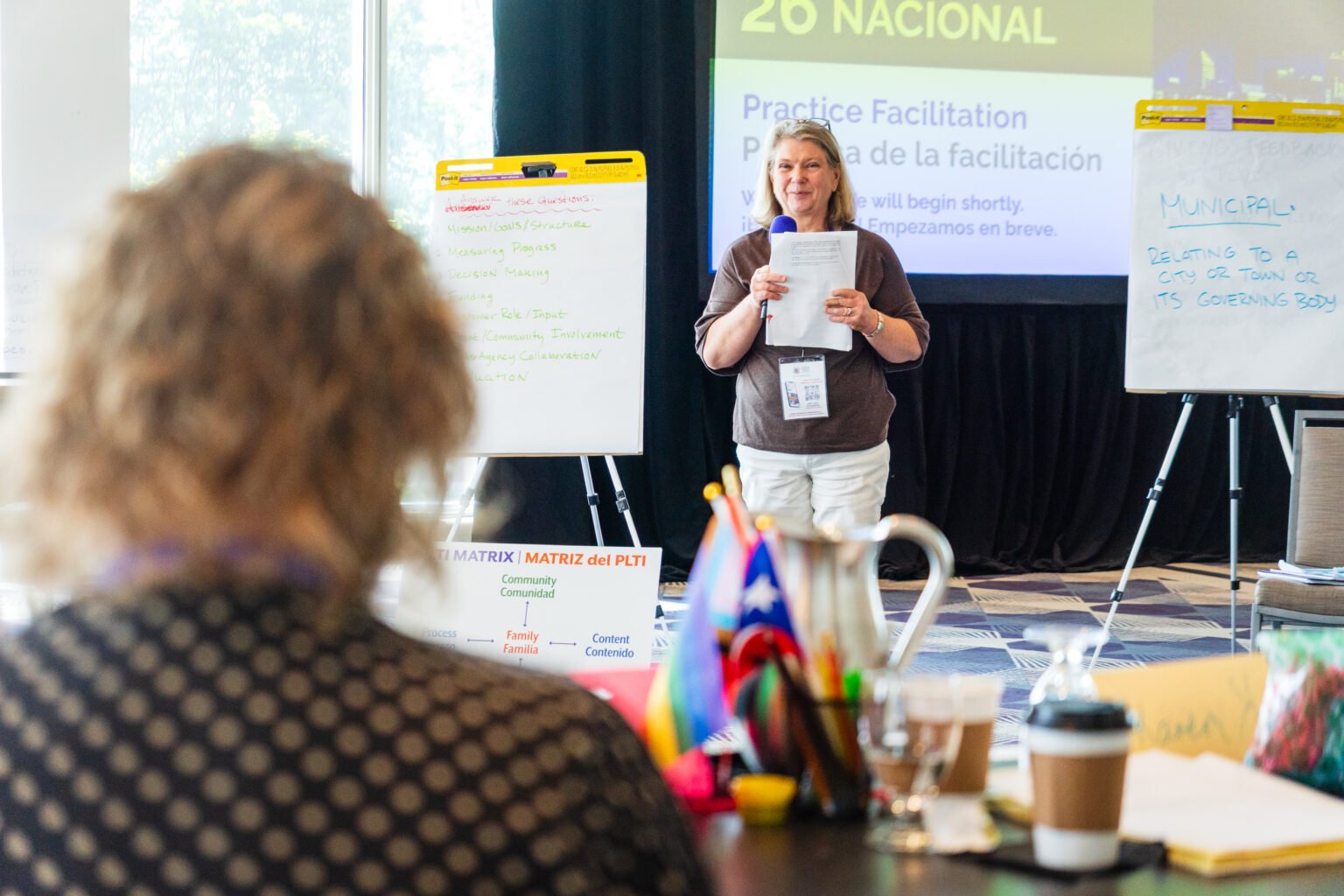
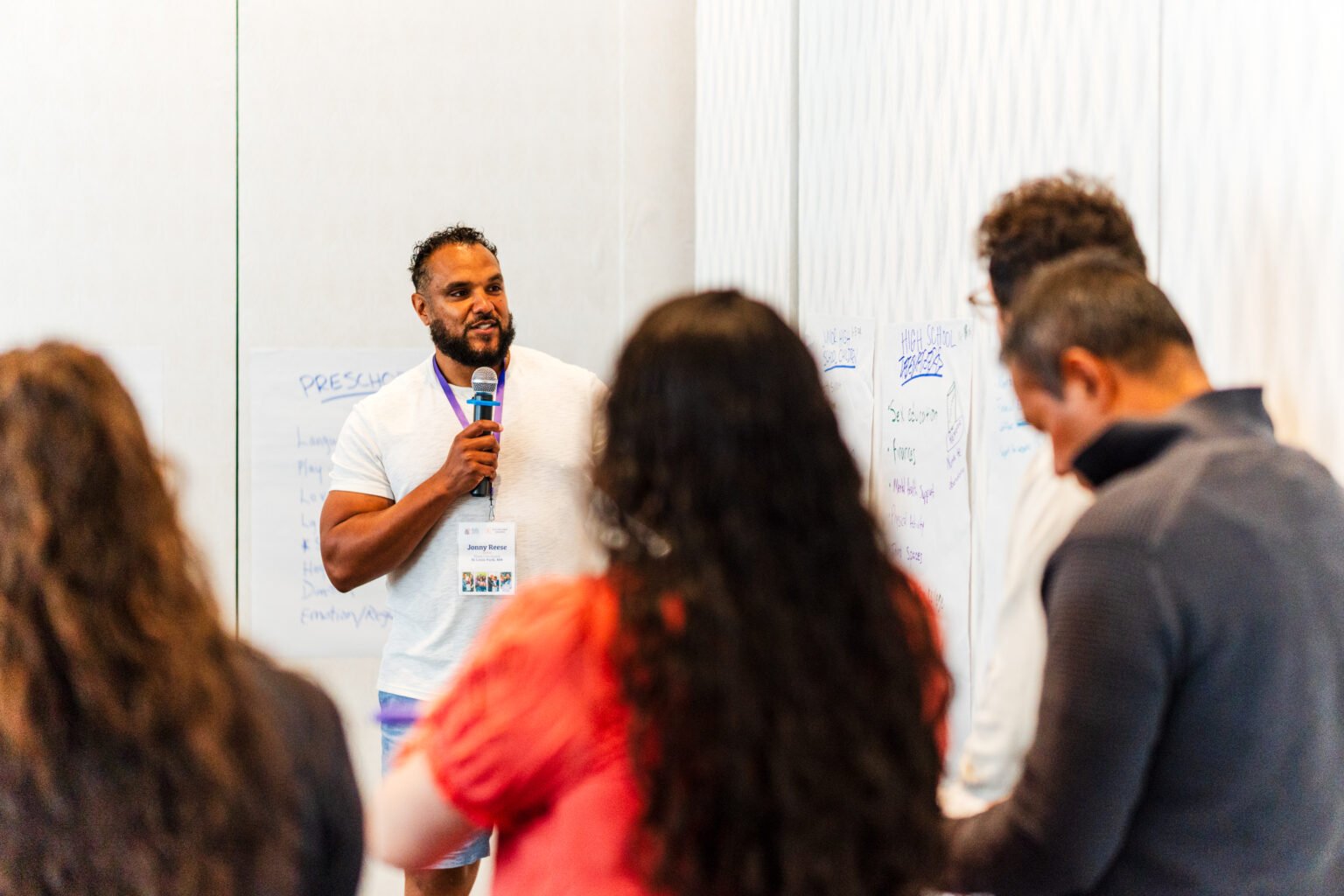
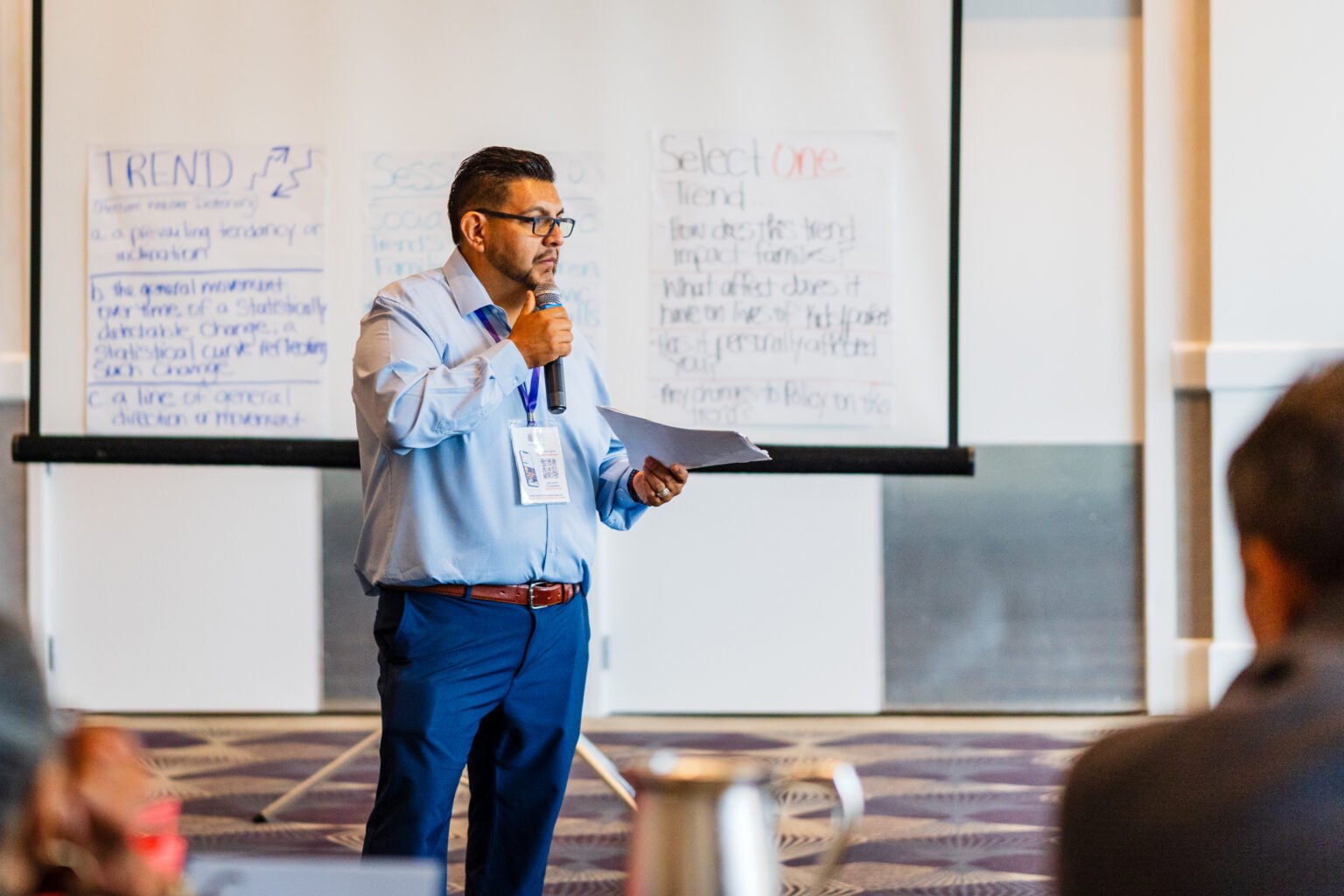
The week built toward practice facilitation, when learners moved from observing the NPLI team to leading sessions themselves.
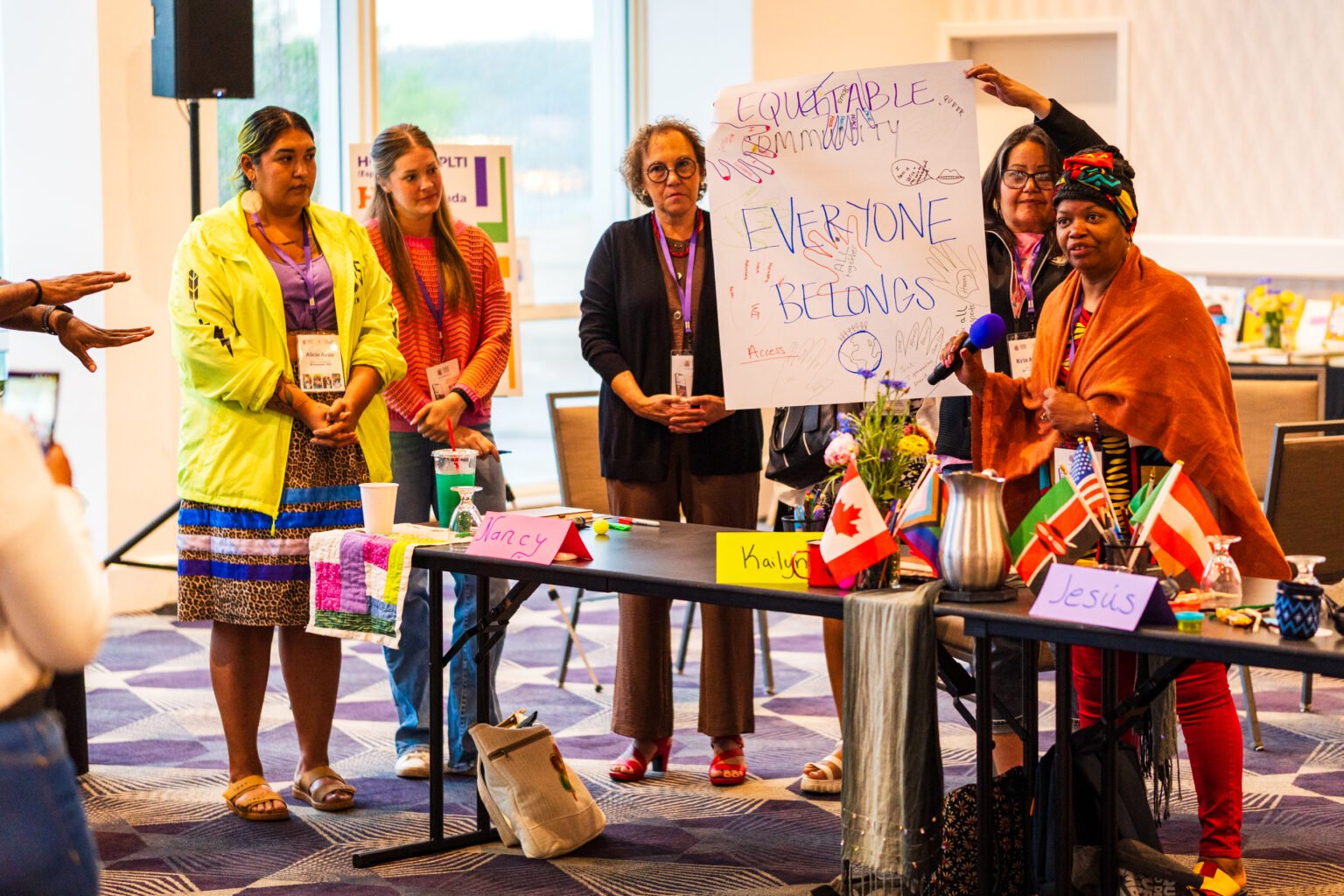
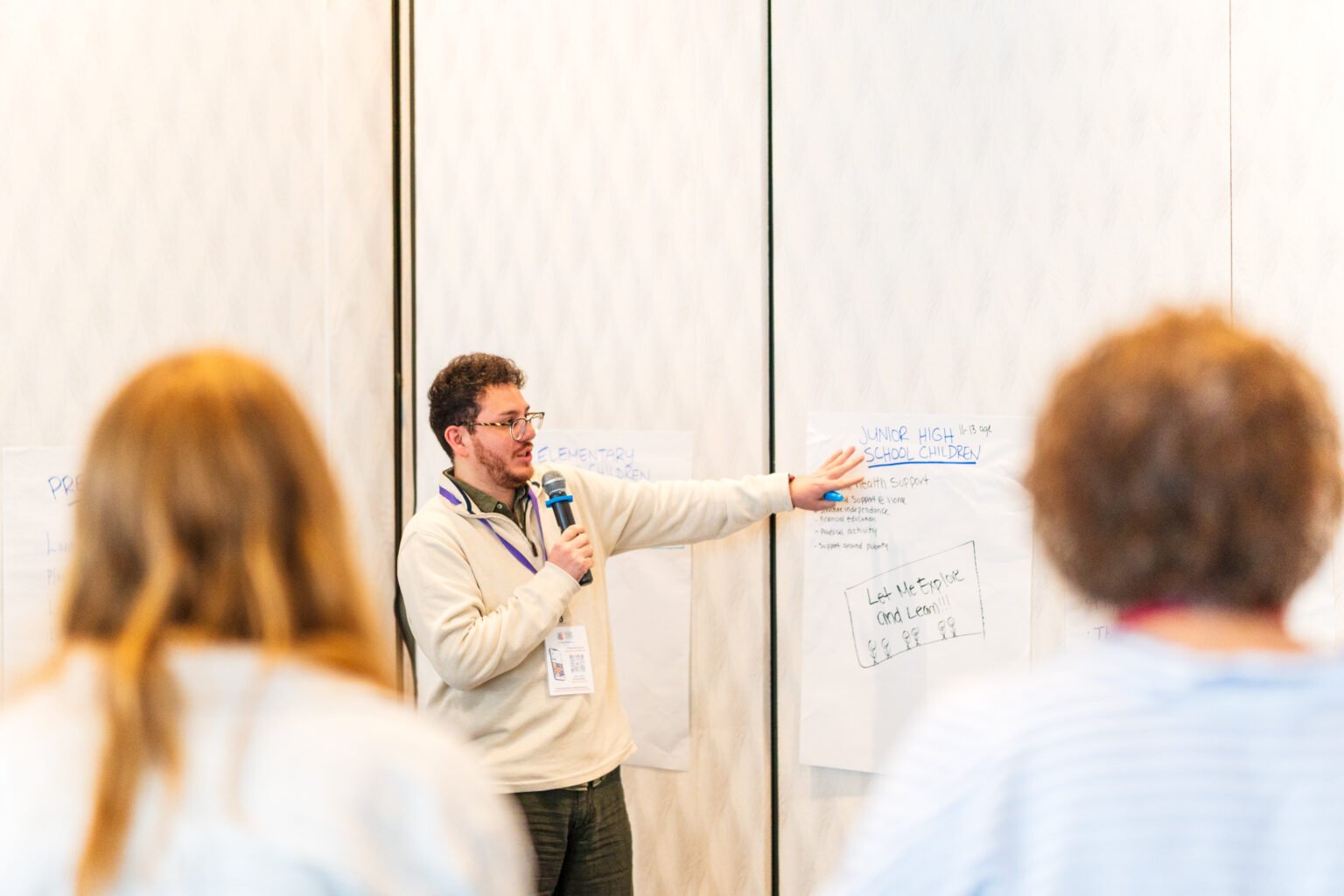
Working in groups, participants prepared assigned portions of the PLTI curriculum and then facilitated them for their peers. National facilitators observed, offered feedback, and helped learners connect what they had practiced to the Quality Indicators introduced earlier in the week.
Practice facilitation is an important part of the national training because knowing a curriculum and facilitating it well are two different things. Learners had the chance to try new approaches, make adjustments, learn from one another, and begin developing a facilitation style that feels authentic to them while staying grounded in the PLTI model.
Learning Beyond the Training Room
Connection and care were also woven throughout the week.
Optional morning offerings included yoga, hip-hop movement, and a sound bath experience, while evenings created room for watercoloring, PLTI Bingo, and drop-in technical assistance as learners prepared for practice facilitation.
On Thursday, Linda Eagle Speaker led a special workshop incorporating traditional healing practices and breath work, offering another opportunity to reflect on the connection between personal well-being and the work we do with others.
Those moments gave learners time to connect outside of formal sessions, recharge, laugh together, and build relationships with people bringing PLTI to communities beyond their own.
Carrying the Learning Home
By the end of the week, learners had experienced PLTI as participants, examined the thinking behind the model, connected with others serving in similar roles, and stepped forward to practice facilitating it themselves.
We’re grateful to the Minnesota Department of Children, Youth, and Families for its partnership and support of this year’s training, and to the Connecticut Commission on Women, Children, Seniors, Equity & Opportunity for its continued partnership in the national replication of PLTI.
We also thank the Mille Lacs Band of Ojibwe, Justice Anne McKeig, Linda Eagle Speaker, and everyone who shared their time, knowledge, and traditions with our learning community.
To view the full photo gallery from this year’s National PLTI Training, visit the Google Drive photo gallery here.
Most of all, thank you to every learner who came to Saint Paul ready to participate, ask questions, practice, and learn alongside others. We look forward to seeing how you carry what you learned back to your own communities.