
Family Leader Spotlight

Diane Silva

Coventry, Rhode Island

PLTI Graduate, Class of 2025

Changing Spaces, Changing Lives

The beauty of PLTI is utilizing your lived experience as your knowledge base.

Courtesy of RIPIN PLTI

Diane Silva
Parent Leader from Rhode Island

Want to help sustain Family Leadership Across the Country?

How Diane Silva Turned Lived Experience Into Lasting Policy Change in Rhode Island

When Diane Silva now talks about accessibility, she is not speaking in the abstract. She is speaking as a parent, a caregiver, and someone who has navigated public spaces that were never designed with her family in mind.

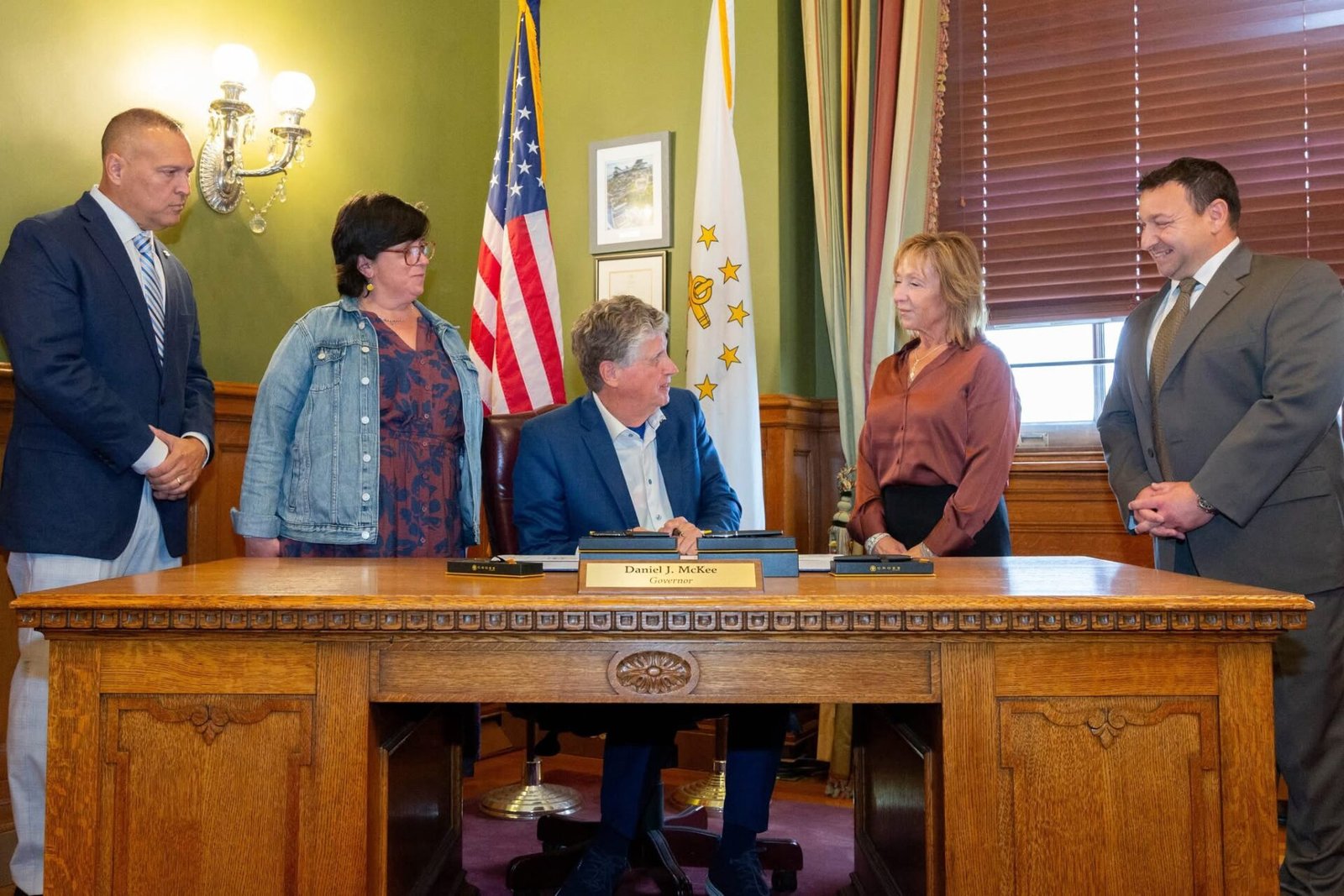
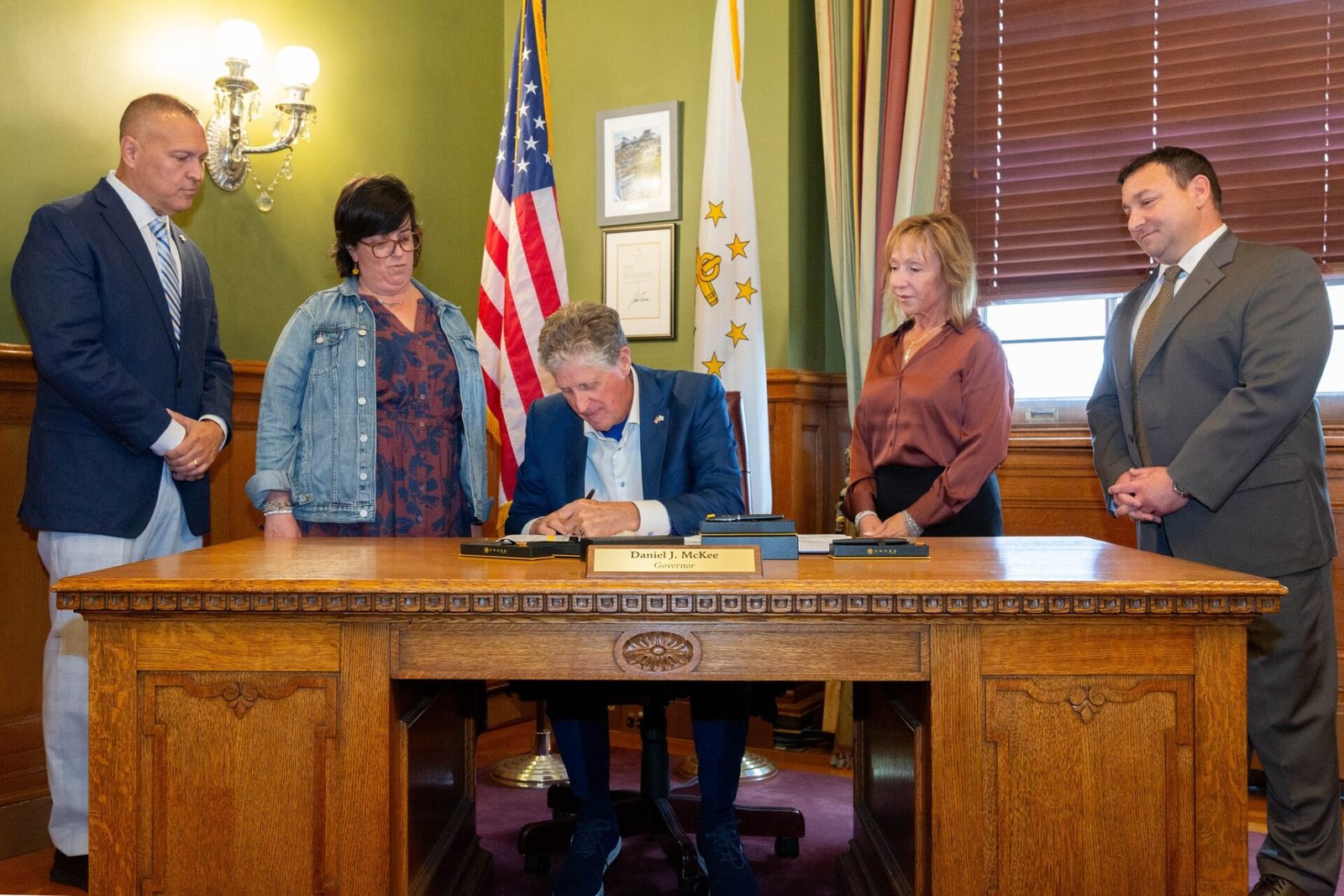
Diane is a recent Parent Leadership Training Institute (PLTI) graduate and a parent leader from Rhode Island whose advocacy helped lead to a major State-wide policy win.

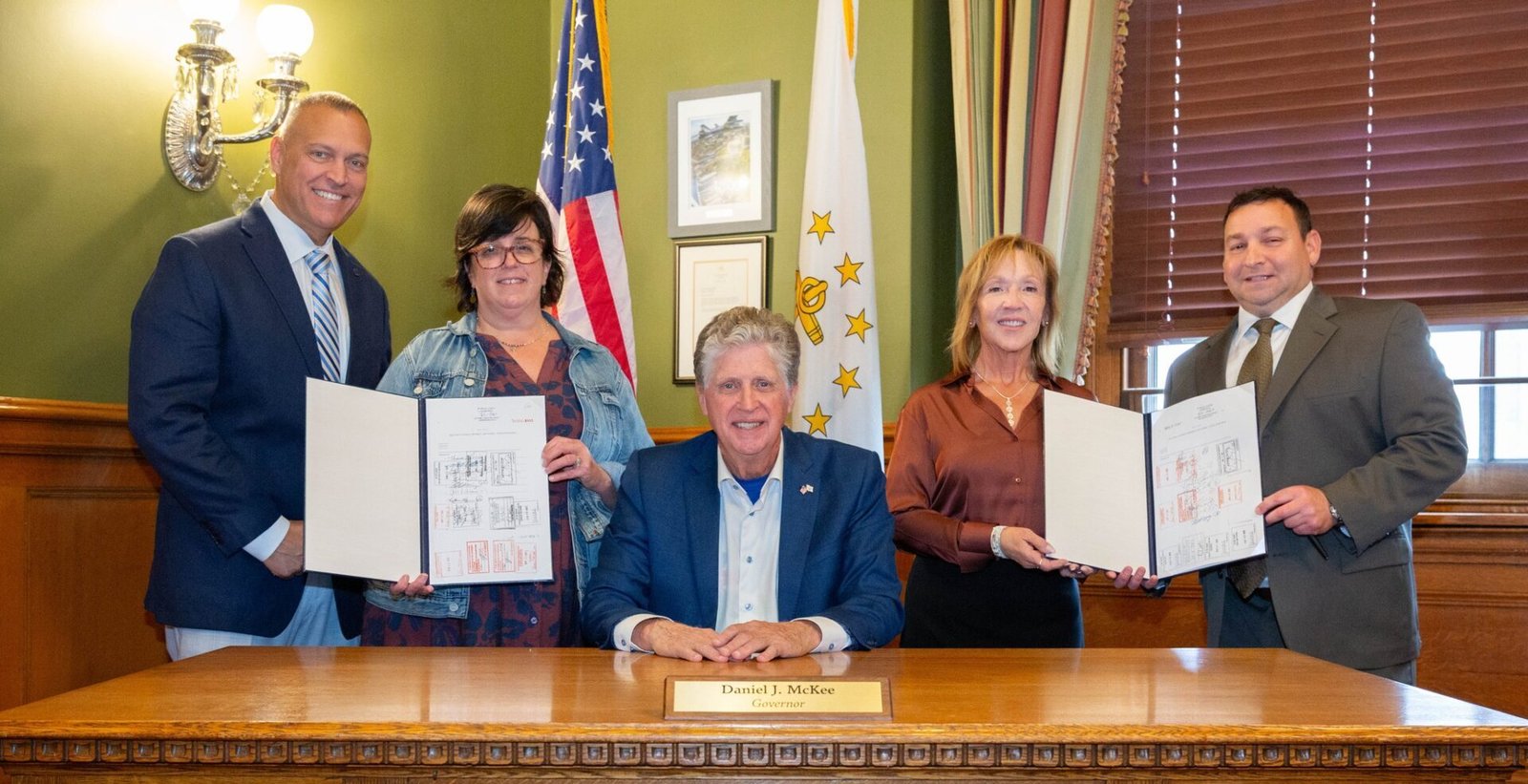
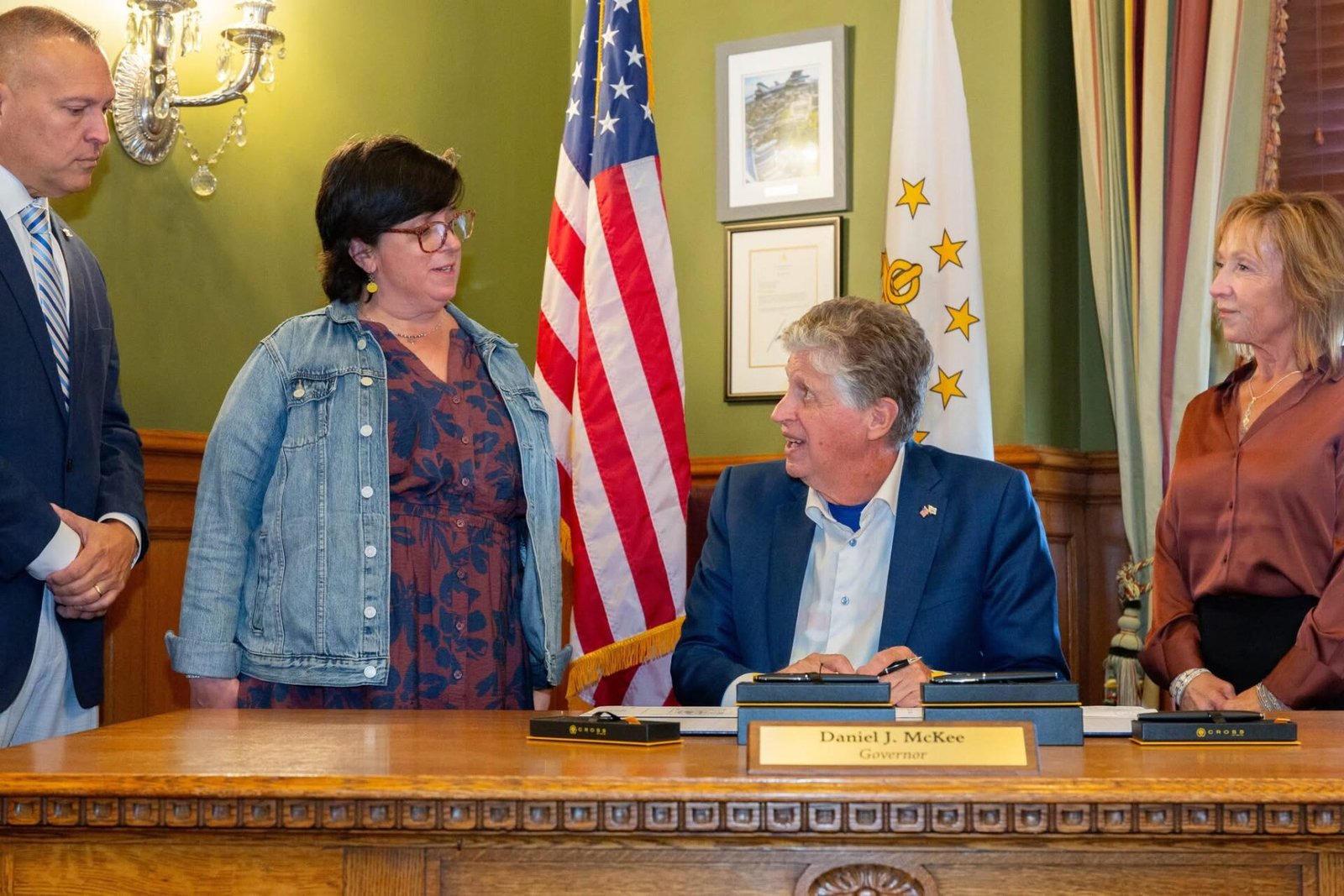
In 2025, Rhode Island passed legislation requiring universal changing stations – stations that will service adults as well as children – in newly constructed or substantially renovated public buildings. This step will significantly improve dignity and access for people with disabilities, caregivers, and families across the state.

But long before the bill passed, before hearings and media coverage, this work began in more private moments shaped by lived experience.

When the World No Longer Fits

In 2015, Diane’s daughter Ella, experienced a brain injury that left her with complex medical needs. Overnight, Diane found herself navigating a world that was far less accessible than she had ever realized. Simple outings became logistical challenges. Something as basic as using a public restroom often meant being told to place her child on the floor.

Public spaces were sending a clear message about who they were built for and who they were not. Diane knew her experience was not unique. Parents and caregivers across the state were improvising in undignified and unsafe ways because there was simply nowhere else to go.

Something needed to change.

“Once you see the need, you can’t unsee it,” Diane said.

That realization stayed with her and became the foundation of her advocacy.

Finding Her Voice Through PLTI

Diane joined PLTI during a period when she was already advocating for her daughter but had not yet fully claimed the role of parent leader. Through the training, she strengthened her understanding of how systems work, how policy moves, and how lived experience can inform decision-making.

Diane often describes PLTI as a space where lived experience is treated as knowledge. Rather than starting from scratch, parent leaders build on what they already know and learn how to use it effectively.

Just as importantly, PLTI gave Diane space to build relationships and practice using her voice. She learned that leadership does not require perfection. It requires persistence, collaboration, and a willingness to speak even when it feels uncomfortable.

“You already have some of the tools,” Diane shared. “PLTI helps you build on them and use them.”

PLTI also offered community. Facilitators, fellow parent leaders, and staff created a space where checking in as whole people mattered as much as project work. That human-centered approach continues to shape how Diane approaches advocacy today.

From Community Project to Statewide Movement

Diane’s PLTI community project focused on advocating for adult-sized, height-adjustable changing tables in public restrooms. As she began sharing her story more publicly, others recognized themselves in it.
Parents reached out. Caregivers shared similar experiences. Disability advocates added their voices. Through community connections, Diane partnered with the Changing Spaces Campaign, a national effort working across states to bring universal changing stations into public spaces. She now serves as the Rhode Island Chapter Leader, helping to coordinate advocacy, share resources, and elevate caregiver voices across the state.

Media coverage helped raise awareness, but it was Diane’s ability to connect personal stories to policy solutions that sustained momentum. Legislators listened. Committees invited testimony. Once people understood the issue, they could not unsee it.
Turning Advocacy Into Law

In 2025, Rhode Island passed companion bills in the House and Senate requiring universal changing stations in new public buildings and major renovations beginning in 2027. The law defines these stations as enclosed, accessible spaces designed for people of all ages and genders who require assistance with personal care.

For Diane, seeing the bill become law was meaningful, but she is clear that advocacy does not end with passage. Implementation matters. Education matters. Ensuring communities understand what the law does and does not require matters.

This effort was never about creating unrealistic mandates or penalizing small businesses. The work centered on expanding access through thoughtful design and planning, while accounting for the realities of how public spaces are built and updated. As Diane put it simply, “Universal means for everybody.”

What Access Makes Possible

Universal changing stations do more than solve a logistical problem. They restore dignity. They allow families to participate more fully and move through their communities without fear or isolation.

Diane often talks about access as a gateway. When barriers are removed, people can live fuller lives. Adults with disabilities are not excluded from public events. Caregivers are not forced to leave early. Families are less likely to be confined to their homes.

That dream continues to guide her work.

Looking Ahead

While the law takes effect in 2027, Diane remains focused on awareness and education to help ready the State for this change. She is working with other families to help the public understand what lack of access looks like in real life and why universal design benefits everyone. 
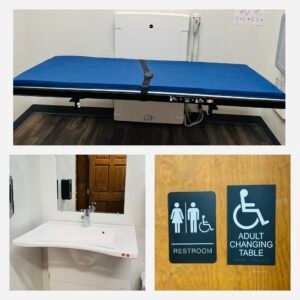
That work is already shaping change on the ground. Community partners have begun installing universal changing stations in public spaces, including cultural and healthcare settings, demonstrating what access can look like when organizations commit to inclusive design.

Diane’s efforts are also extending further into healthcare environments, where basic accessibility features remain difficult to find. In her own community, she is looking ahead to the development of a new learning center designed to support children, adults, and seniors. The space will bring together healthcare services, opportunities for social connection, and employment for people with disabilities. Diane is hopeful that the center will also include a private companion care room with an adult-sized, height-adjustable changing table.

For Diane, this work is deeply personal, but it is also hopeful.

She wants her daughters to see that change is possible. That speaking up matters. That leadership does not belong only to those with titles or power.

“There is an entry point for everyone in advocacy,” she often says. “You just have to start where you are.”

A Model for Family Leadership and Systems Change

Diane Silva’s journey is a reminder that meaningful systems change often begins with families naming what is missing and insisting on something better. Her work shows how lived experience, when paired with proper support and civic tools, can influence policy in ways that last far beyond one person or one moment.

At NPLI, we use PLTI as one way to support this kind of leadership, and PLTI does not prescribe a single path or outcome. Instead, it helps parents and caregivers build the skills, confidence, and relationships they need to navigate systems, collaborate across differences, and bring real solutions to the table.

Across communities, PLTI creates space for families to strengthen networks and move from identifying challenges to shaping change. While each PLTI site looks different based on local context, what remains consistent is the belief that families belong in decision-making spaces and that their voices are essential to building policies and systems that work.

Diane’s advocacy in Rhode Island reflects this approach in action. Her leadership did not stop at raising awareness. It contributed to a policy change that will expand access, dignity, and participation for families across the state for years to come.

This is why NPLI continues to invest in PLTI alongside broader systems capacity efforts. When families are supported as leaders, communities are better equipped to design solutions rooted in lived experience. Diane’s story is one example of how that work takes shape and why it matters.

Want to Learn More?

Diane’s advocacy is part of a broader movement focused on accessibility, dignity, and inclusive design. The resources below offer additional context on the Changing Spaces Campaign, Rhode Island’s legislation, and the public conversations that are helping move this work forward.

Also, keep an eye out for our upcoming episode of The Bold & The Brave: A Parent Leader Podcast, where we have a conversation with Diane, where she shares more about her PLTI journey, advocacy work, and what comes next.

Changing Spaces Campaign

Rhode Island Legislation

News Coverage

Would You Like To Be A Partner In This Work?