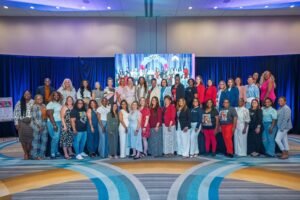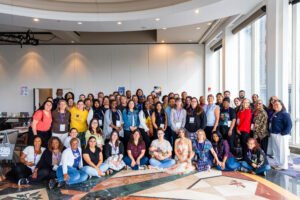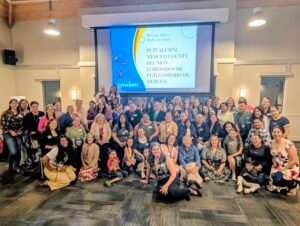

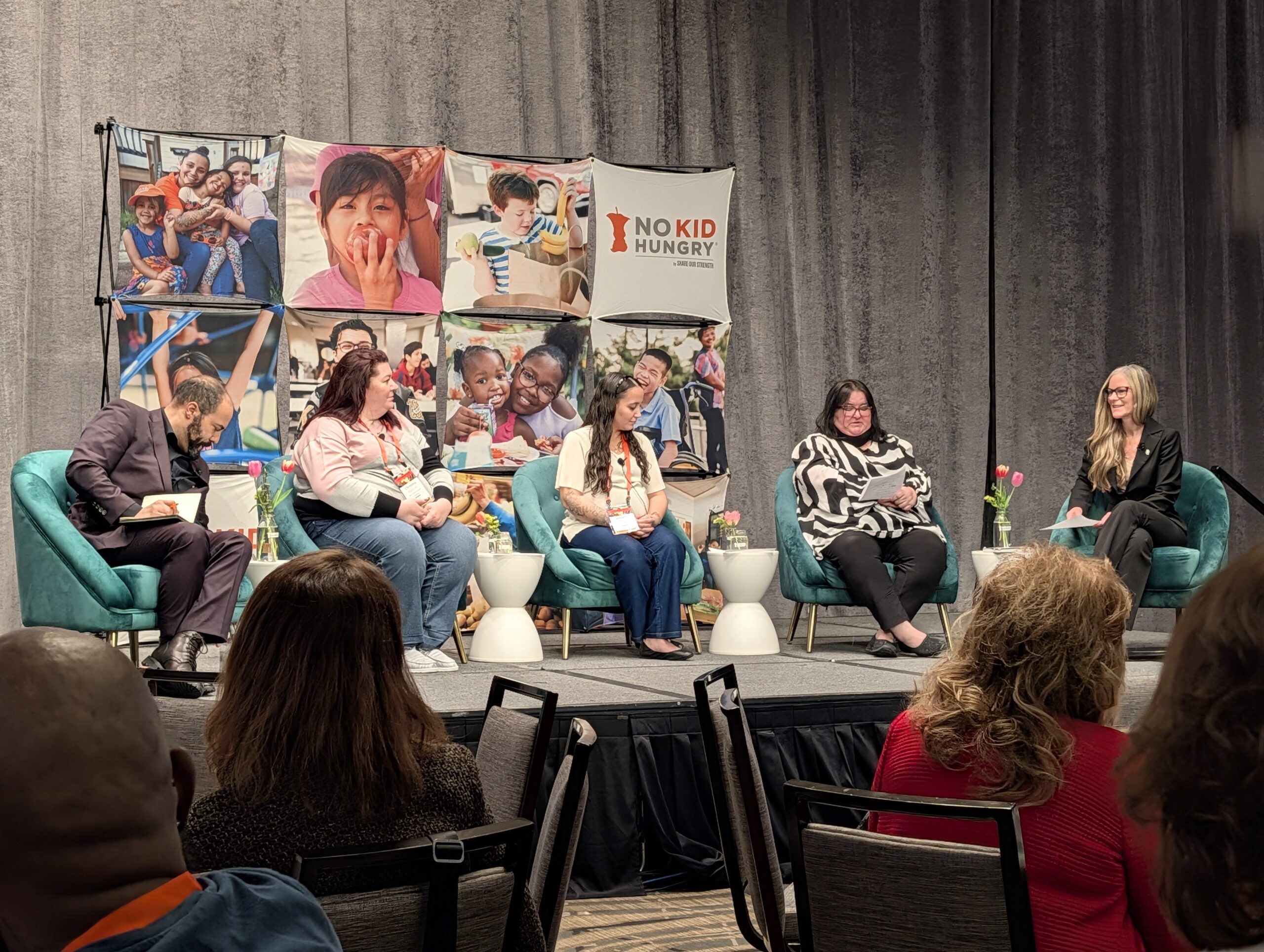
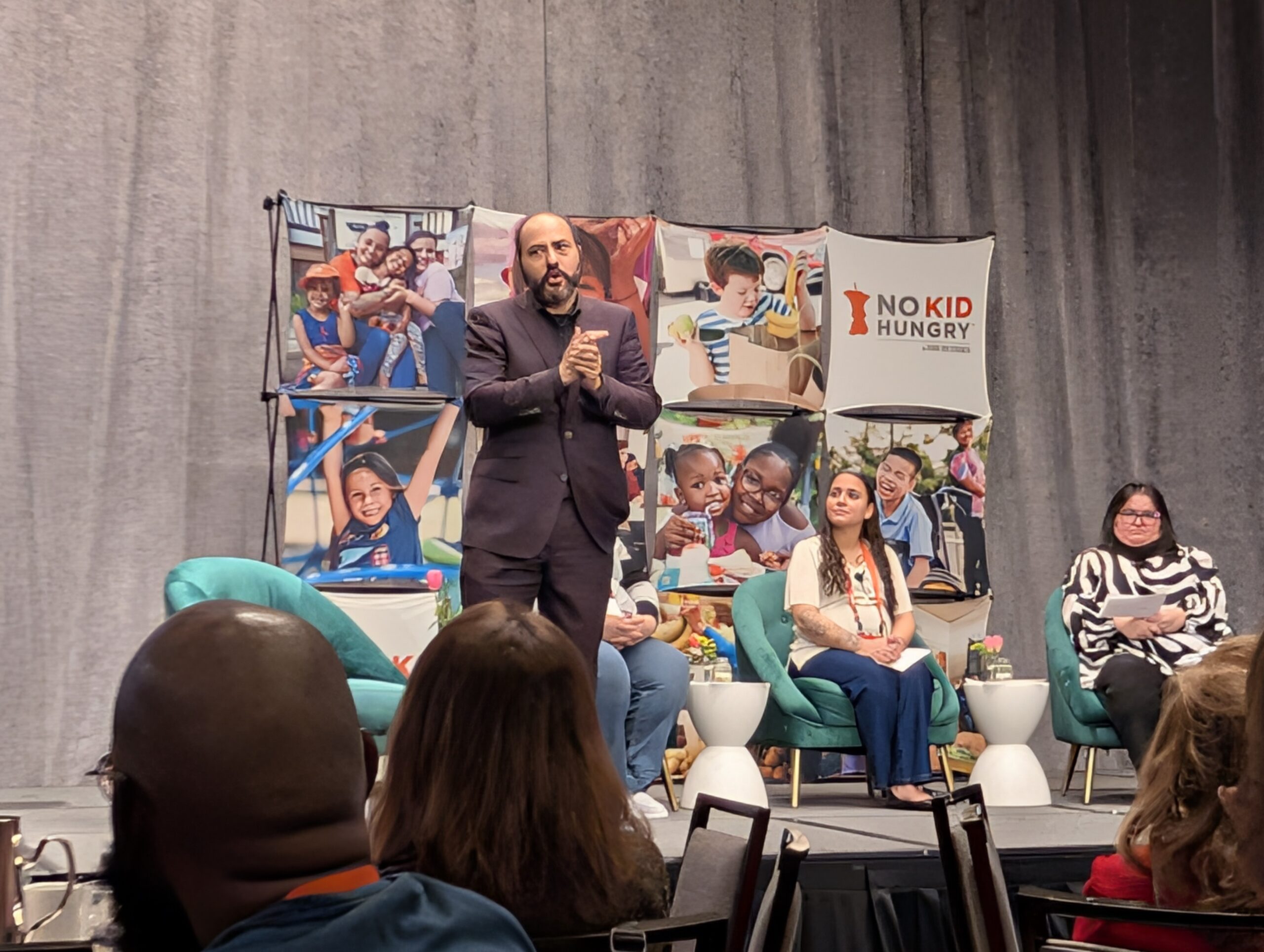
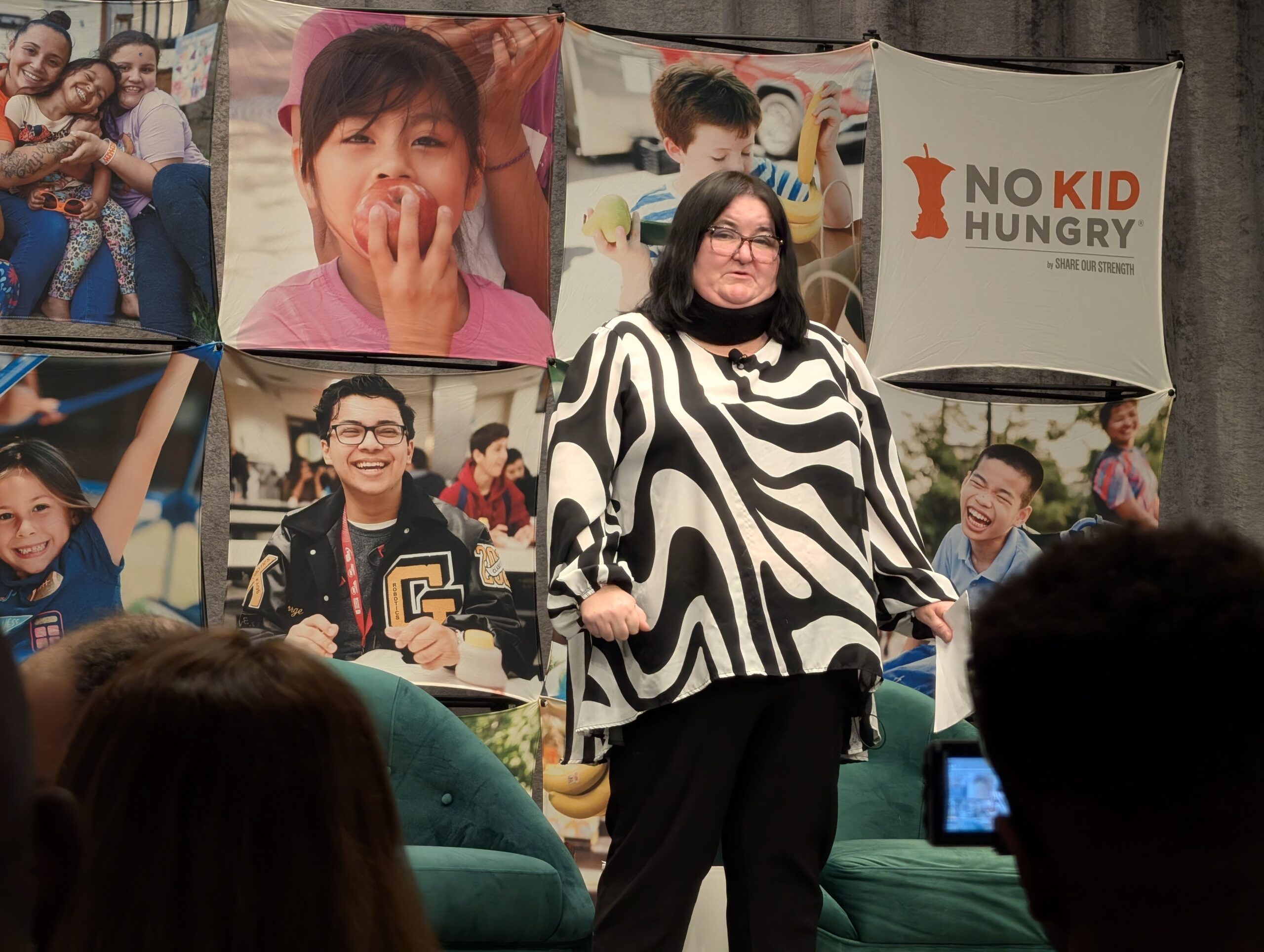
From January 12–13, 2026, the No Kid Hungry Summer Nutrition Summit brought together hundreds of leaders, policymakers, and practitioners in Washington, D.C., to strengthen summer nutrition programs, EBT initiatives, and food access for children across the country.
In partnership with Share Our Strength (SOS), the National Parent Leadership Institute (NPLI) ensured that parent voice remained central throughout the convening.
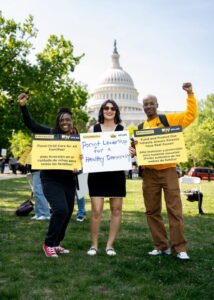
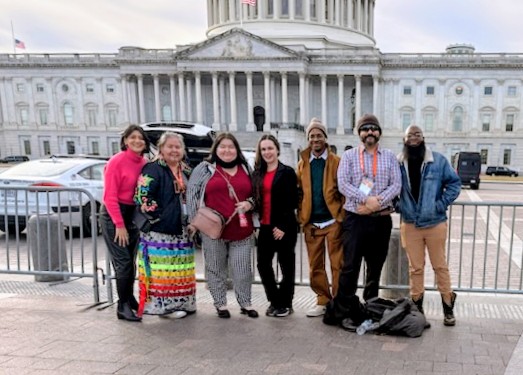
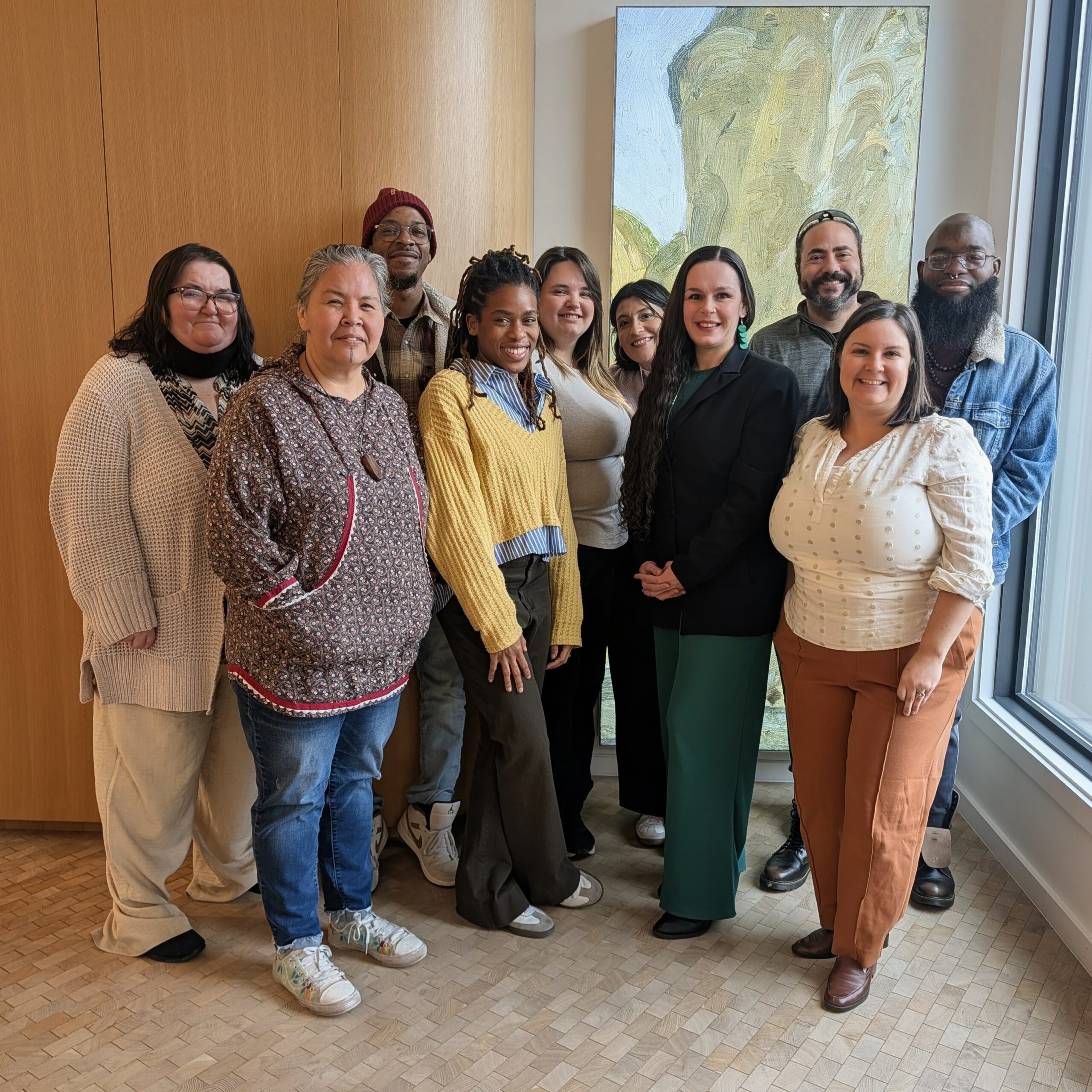
For the past year, NPLI has co-created the SNAP Parent and Caregiver Advisory Council. At the summit, six council members attended in person — Anthony Bonner, Ashleigh Ligon, Christopher Thornton, Da’Jion Lymore, Susie Ballot, and Tafra Jones — sharing firsthand perspectives on how nutrition programs impact families and communities.
More than 300 attendees participated in the summit, including leaders from organizations such as APHSA and representatives from the Mayors Alliance to End Childhood Hunger. Rural communities were well represented, and participants engaged in roundtables, media interviews, and sessions that explored the intersection of policy, direct services, and community impact.
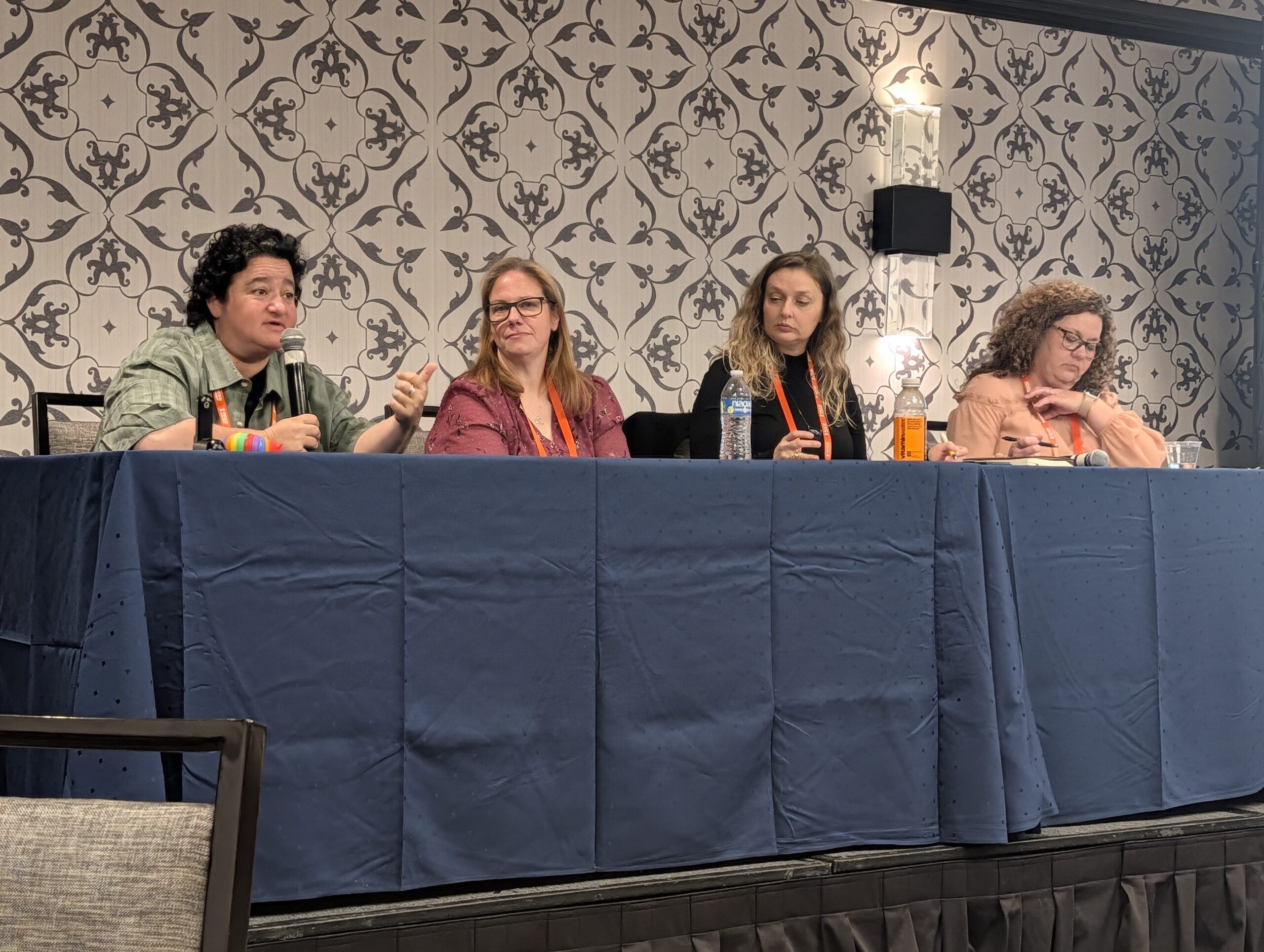
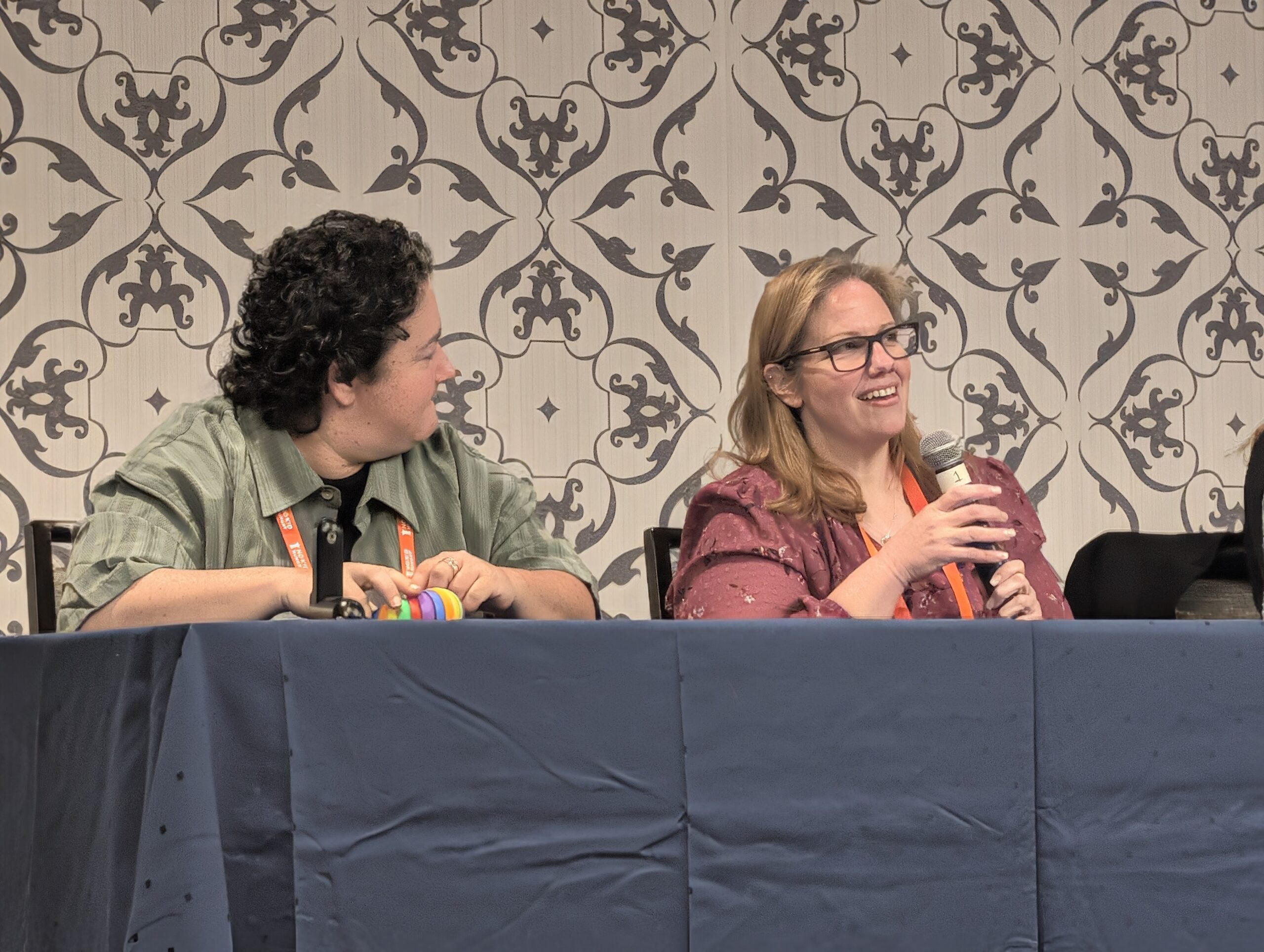
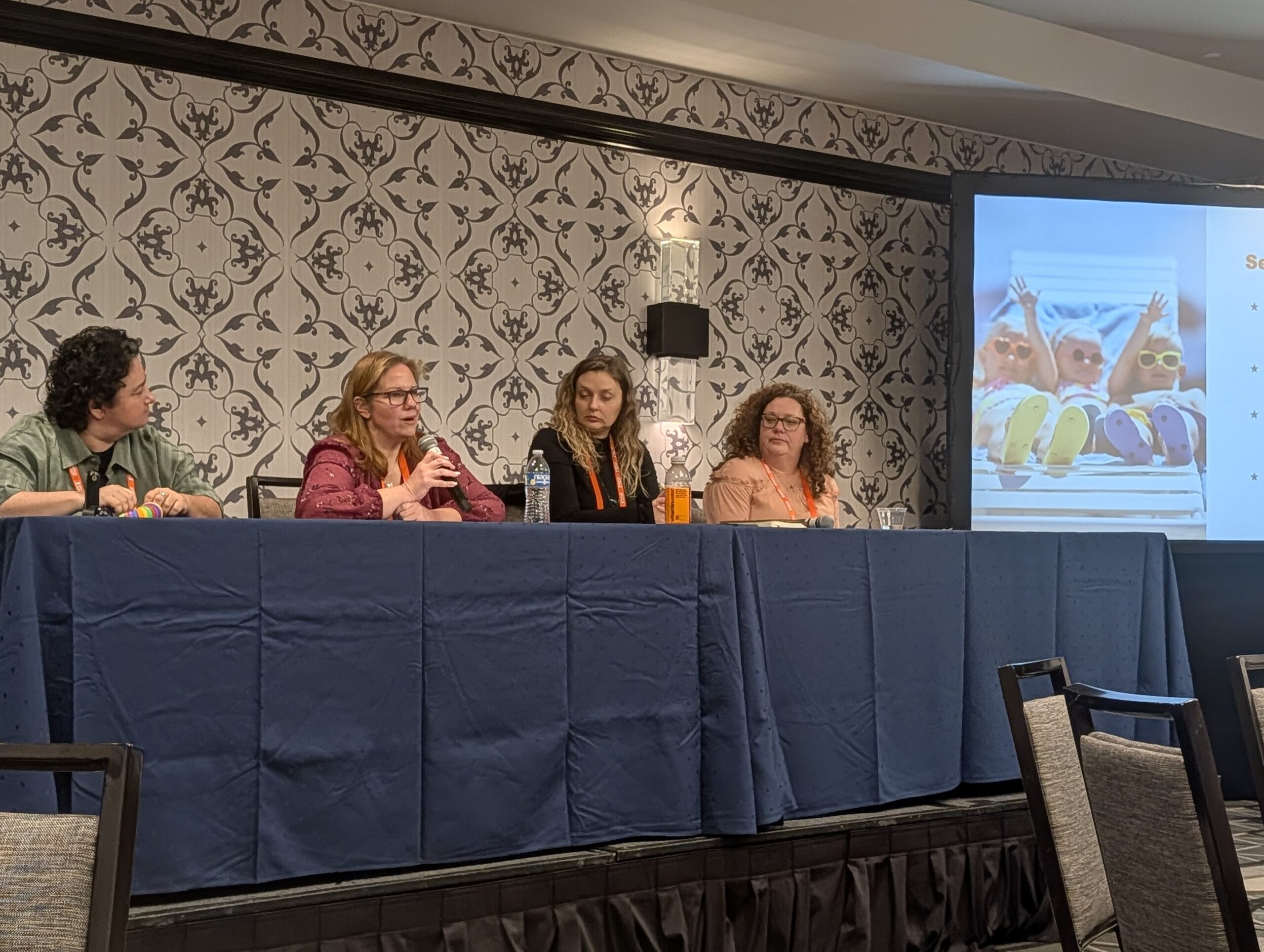
Parents and caregivers were featured in both the opening and closing sessions, reinforcing the essential role of those directly affected by nutrition programs.
“Parents provide essential, firsthand insights to help leaders understand the realities of hunger, which directly drives better advocacy campaigns and policy improvements. By helping refine programs to make them more accessible and less stigmatizing, ensuring solutions actually work for families. Within the lived experts.”
— Tafra Jones, Parent Leader and Panelist, on the value of attending the Summit.
Participants offered recommendations around food quality, culturally responsive food options, and ways to better meet the needs of families and communities. Their lived experiences grounded policy conversations in practical reality.
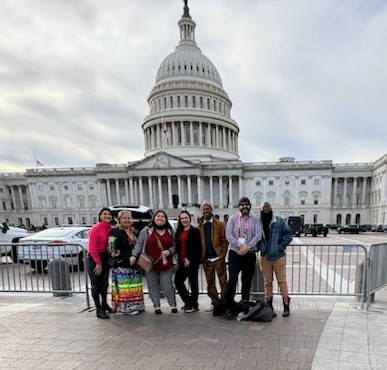
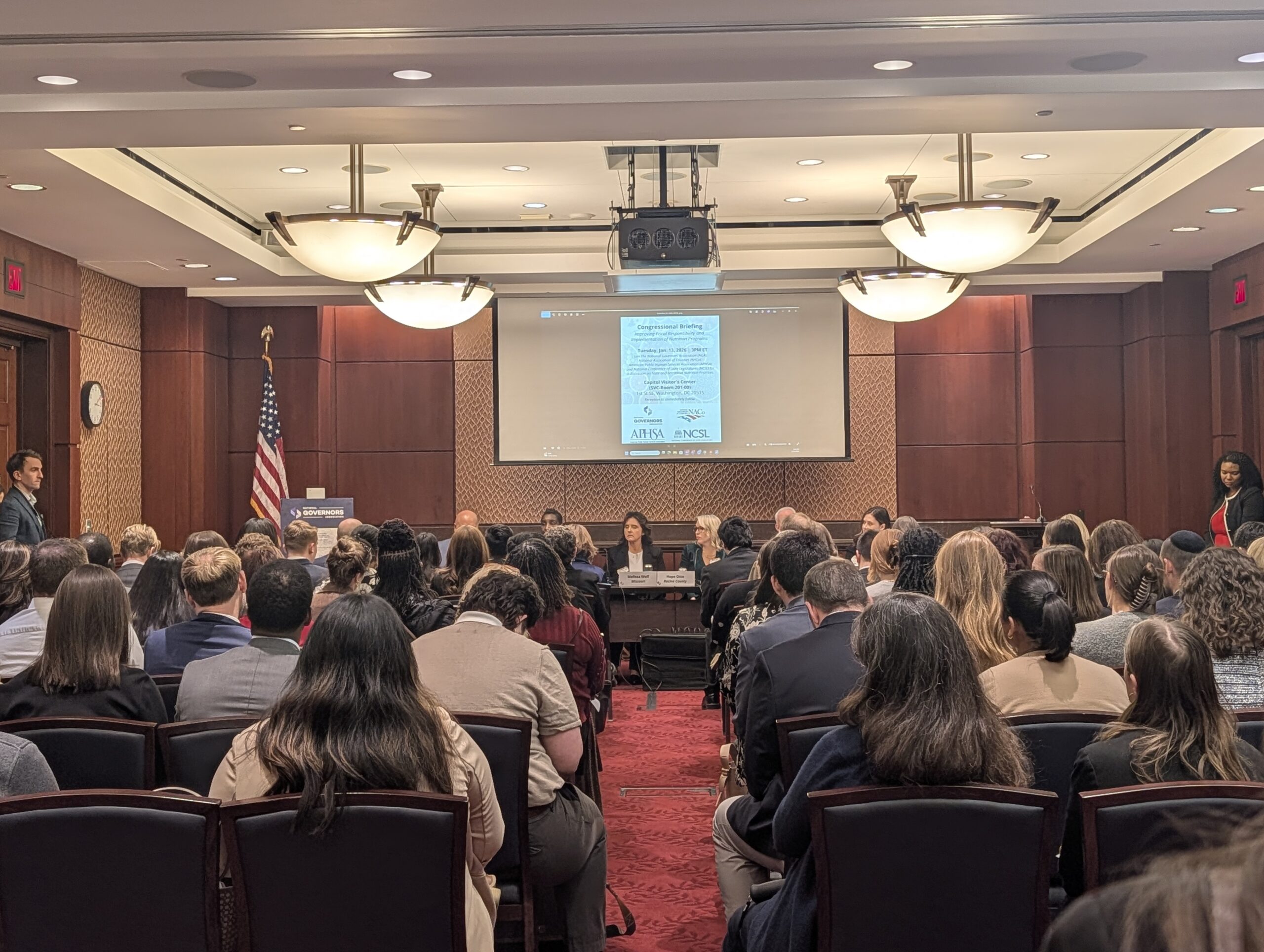
Advisory Council members also participated in a Congressional briefing coordinated by APHSA. During the bipartisan session, they provided updates and encouraged legislators to take action on SNAP deadlines and related policies. Parents spoke directly with policymakers about how federal decisions shape the day-to-day lives of families navigating food insecurity.
Continuing the Work: From Conversation to Systems Change
The work did not end when the summit closed.
On January 14, immediately following the convening, NPLI and SOS hosted the second SNAP Parent & Caregiver Advisory Council Retreat. While the summit focused on national policy conversations and collective advocacy, the retreat created space for deeper reflection and strategy.
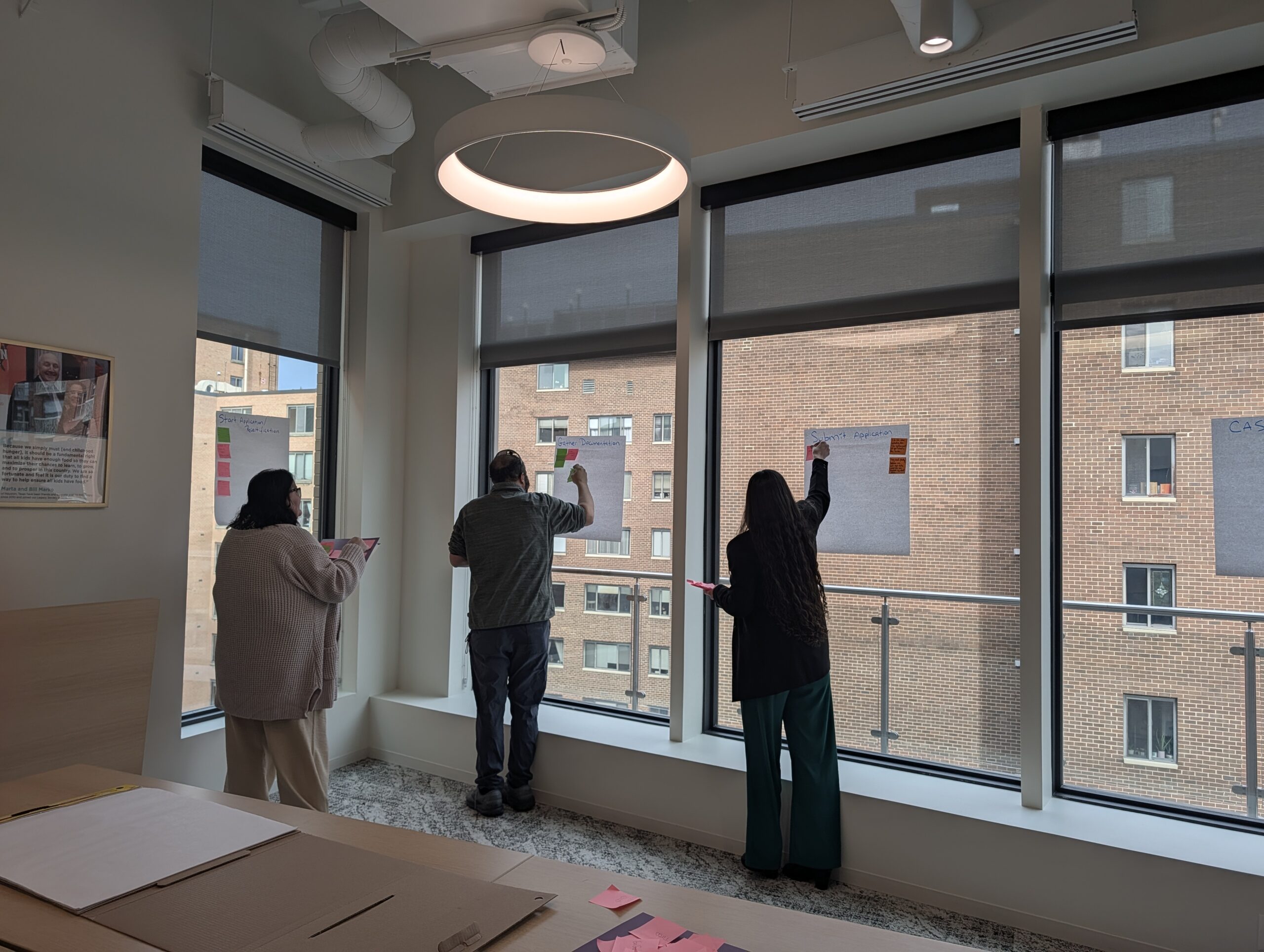
Grounded in what families had learned during the summit, the council turned inward to examine systems more closely. Through journey mapping, parents walked step-by-step through their own experiences applying for EBT and summer nutrition benefits.
How does the application process actually work?
Where do barriers arise?
What happens when an application is denied?
What feels clear? What feels confusing?
For those unable to attend in person, virtual participation ensured that diverse perspectives remained part of the conversation.
From this process came thoughtful recommendations to improve communication, reduce access challenges, increase cultural responsiveness, and make systems more transparent and family-centered. The retreat moved lived experience from storytelling into a concrete strategy.
Time together in person deepened the work. Face-to-face conversations created space for trust, nuance, and shared problem-solving, especially when discussing systems that affect communities differently.
Moving Forward Together
Across both the summit and the retreat, one throughline remained clear: families bring expertise that strengthens policy and improves systems.
The SNAP Parent & Caregiver Advisory Council will continue working on these issues, ensuring that summer nutrition programs are accessible, effective, and responsive to families’ realities. Their leadership moves us closer to a shared goal of making sure no child goes hungry during the summer and that resources reach families in the most equitable and effective way possible.
Together, this work continues. Intentionally. Collaboratively. Grounded in lived experience.
For more information about the Share Our Strength No Kid Hungry Campaign, visit https://www.nokidhungry.org/.